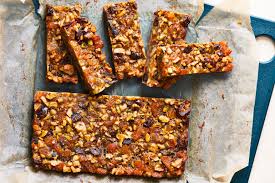
Energy bars are convenient, nutrient-dense snack products formulated to provide a quick and sustained source of energy. They are typically made from a combination of cereals, oats, grains, nuts, seeds, dried fruits, sweeteners, protein sources, and functional ingredients. Designed to support active lifestyles, energy bars offer a balanced blend of carbohydrates, proteins, fats, vitamins, and minerals that help meet the nutritional and energy needs of consumers.
Energy bars are widely consumed by athletes, fitness enthusiasts, students, travelers, office workers, and individuals seeking a convenient snack or meal supplement. They are available in a variety of flavors, formulations, and nutritional profiles to cater to different dietary requirements and lifestyle preferences.
Introduction
In today’s fast-paced world, consumers increasingly seek food products that combine convenience, nutrition, and portability. Energy bars have emerged as one of the most popular functional snack products because they provide an easy way to obtain energy and essential nutrients while on the move. Whether consumed before exercise, after workouts, during travel, or between meals, energy bars offer a practical solution for maintaining energy levels throughout the day.
The development of energy bars originated from the growing demand for portable nutrition products, particularly among athletes and outdoor enthusiasts. Early formulations focused primarily on supplying carbohydrates for endurance activities. Over time, advances in food science and nutrition led to the creation of more sophisticated products containing proteins, healthy fats, dietary fiber, vitamins, minerals, and specialized functional ingredients.
Modern energy bars are available in numerous varieties, including high-protein bars, meal replacement bars, sports nutrition bars, cereal bars, fruit bars, vegan bars, and low-sugar options. Manufacturers continually innovate by incorporating superfoods, plant-based proteins, natural sweeteners, and clean-label ingredients to meet evolving consumer preferences.
One of the major advantages of energy bars is their convenience. They require no preparation, are easy to carry, and can be consumed virtually anywhere. This makes them particularly attractive to busy professionals, students, athletes, and travelers who need a quick source of nutrition without compromising their schedules.
The global market for energy bars continues to expand due to increasing health awareness, rising participation in fitness activities, and growing demand for functional foods. As consumers become more conscious of nutrition and wellness, energy bars are expected to remain a significant category within the health and snack food industry.
Store in a cool, dry place away from direct sunlight
Consumption Method
Ready-to-eat
Target Consumers
Athletes, students, professionals, travelers, and health-conscious individuals
Quality Standards
Produced according to food safety and nutritional regulations
Allergen Information
May contain nuts, milk, soy, gluten, or other allergens
Portability
Highly portable and convenient
Market Availability
Supermarkets, health stores, gyms, pharmacies, and online platforms
Features of Energy Bars
1. Convenient Source of Energy
Energy bars provide a quick and accessible source of calories and nutrients, making them ideal for busy lifestyles and active individuals.
2. Nutrient-Dense Composition
Many energy bars contain a balanced combination of carbohydrates, proteins, fats, vitamins, minerals, and dietary fiber.
3. Portable Packaging
Individually wrapped bars are easy to carry in bags, backpacks, gym kits, and lunchboxes.
4. Variety of Formulations
Energy bars are available in numerous formulations designed to meet different nutritional goals and dietary preferences.
5. Long Shelf Life
Proper packaging and ingredient selection allow energy bars to maintain quality for extended periods.
6. Functional Benefits
Some products are formulated to support athletic performance, recovery, weight management, or general wellness.
7. Diverse Flavor Options
Manufacturers offer a wide range of flavors to enhance consumer satisfaction and product variety.
Manufacturing Process
The production of energy bars involves carefully controlled steps to ensure nutritional quality and consistency.
Ingredient Selection
High-quality ingredients such as oats, grains, nuts, seeds, dried fruits, protein sources, and sweeteners are selected.
Mixing
Ingredients are blended in precise proportions to achieve the desired nutritional profile and texture.
Forming
The mixture is shaped into bars using molds, extrusion systems, or pressing equipment.
Baking or Processing
Depending on the formulation, bars may be baked, cold-pressed, or processed without heat treatment.
Cooling
Products are cooled to stabilize texture and structure.
Quality Inspection
Finished bars undergo testing for weight, texture, nutritional content, and packaging integrity.
Packaging
Energy bars are individually wrapped and packaged to protect freshness and facilitate distribution.
Types of Energy Bars
High-Protein Energy Bars
These bars contain elevated levels of protein to support muscle maintenance and recovery.
Sports Energy Bars
Designed for athletes, these bars provide carbohydrates and nutrients for physical performance and endurance.
Meal Replacement Bars
Formulated to provide balanced nutrition as a substitute for a regular meal.
Fruit-Based Energy Bars
Made primarily from dried fruits and natural ingredients for consumers seeking simpler formulations.
Nut and Seed Bars
Rich in healthy fats, protein, and fiber derived from nuts and seeds.
Vegan Energy Bars
Produced without animal-derived ingredients and suitable for plant-based diets.
Low-Sugar Energy Bars
Formulated to reduce sugar content while maintaining taste and functionality.
Organic Energy Bars
Made using organically sourced ingredients and minimal processing methods.
Uses of Energy Bars
1. Pre-Workout Nutrition
Energy bars are commonly consumed before exercise to provide fuel for physical activity.
2. Post-Workout Recovery
Many athletes use energy bars after workouts to replenish energy and support recovery.
3. Meal Supplementation
Energy bars can serve as a convenient supplement when regular meals are unavailable.
4. Travel Nutrition
Their portability makes them ideal for long journeys, flights, and outdoor adventures.
5. Workplace Snacks
Busy professionals often consume energy bars during work hours as a quick nutritional option.
6. School and Academic Use
Students may use energy bars to maintain focus and energy during study sessions and classes.
7. Outdoor Activities
Hikers, campers, cyclists, and other outdoor enthusiasts frequently rely on energy bars for convenient nourishment.
8. Emergency Food Supplies
Energy bars are often included in emergency kits due to their compact size and extended shelf life.
9. Weight Management Programs
Certain formulations support portion control and structured dietary plans.
10. Everyday Healthy Snacking
Many consumers choose energy bars as an alternative to traditional snack foods.
Advantages of Energy Bars
Convenience
Energy bars require no preparation and can be consumed at any time and place.
Nutritional Support
They provide essential nutrients that contribute to energy production and overall wellness.
Portability
Compact packaging makes transportation and storage simple.
Product Diversity
A wide variety of formulations enables manufacturers to serve different consumer segments.
Extended Shelf Life
Proper packaging ensures product stability and freshness over time.
Growing Consumer Demand
Increasing health awareness continues to drive demand for functional snack products.
Quality Considerations
To ensure premium-quality energy bars, manufacturers focus on:
High-quality ingredient sourcing
Nutritional accuracy and consistency
Effective moisture control
Hygienic manufacturing conditions
Proper packaging systems
Compliance with food safety regulations
Product stability testing
Continuous quality assurance procedures
These measures help ensure product safety, nutritional integrity, and consumer satisfaction.
Market Demand and Consumer Trends
The global energy bar market continues to grow due to increasing interest in health, fitness, and convenient nutrition solutions. Key trends include:
Plant-based energy bars
High-protein formulations
Clean-label products
Organic ingredient sourcing
Reduced-sugar alternatives
Functional ingredients and superfoods
Sustainable packaging solutions
Personalized nutrition products
Consumers increasingly seek products that combine convenience with health benefits, positioning energy bars as a major segment within the functional food industry.
Conclusion
Energy bars are versatile, nutrient-rich snack products designed to provide convenient energy and nutritional support for active lifestyles. Made from ingredients such as oats, nuts, seeds, fruits, proteins, and functional nutrients, they offer a practical solution for consumers seeking portable and balanced nutrition.
Their applications extend from sports performance and workout recovery to travel, workplace snacking, meal supplementation, and emergency preparedness. With strong market demand, ongoing product innovation, and growing consumer awareness of health and wellness, energy bars continue to play an important role in the modern food industry.
As manufacturers develop healthier, more sustainable, and nutritionally advanced formulations, energy bars are expected to remain a preferred choice for consumers seeking convenient, functional, and enjoyable snack options.