Black Friday Blowout!
Description
Product Description: Soft Drinks
Definition of Soft Drinks
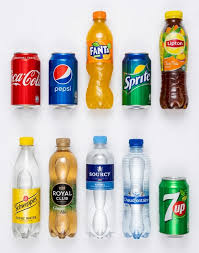
Soft drinks are non-alcoholic beverages typically made from water, sweeteners, flavorings, colorings, preservatives, and other approved food ingredients. They may be carbonated or non-carbonated and are designed to provide refreshment, flavor, and enjoyment to consumers. Soft drinks are available in a wide variety of flavors, including cola, citrus, fruit, ginger, berry, tropical, and energy-enhanced formulations.
As one of the most widely consumed beverage categories globally, soft drinks are popular among people of all age groups. They are commonly enjoyed during meals, social gatherings, recreational activities, celebrations, and everyday refreshment occasions. Their convenience, appealing taste, and broad flavor selection have made them a significant segment of the global beverage industry.
Introduction
Soft drinks have become an integral part of modern food and beverage culture. Originating from flavored mineral waters and carbonated beverages developed centuries ago, they have evolved into a diverse and highly innovative industry serving millions of consumers worldwide. Today, soft drinks are available in numerous formulations, ranging from traditional carbonated beverages to low-calorie, sugar-free, functional, and fortified options.
The popularity of soft drinks can be attributed to their refreshing taste, convenience, and accessibility. They are produced in a wide range of flavors and packaging formats to suit different consumer preferences and consumption occasions. Whether enjoyed at home, in restaurants, at sporting events, or during travel, soft drinks provide a refreshing beverage option that appeals to diverse markets.
Modern manufacturing processes ensure that soft drinks meet strict quality and safety standards. Advanced production technologies allow manufacturers to achieve consistent flavor, carbonation levels, appearance, and shelf stability. In addition, innovations in packaging, ingredient selection, and product development continue to drive growth within the industry.
The global soft drink market has expanded significantly due to urbanization, changing consumer lifestyles, increased disposable income, and growing retail distribution networks. Manufacturers are responding to evolving consumer preferences by introducing healthier alternatives, including reduced-sugar products, naturally flavored beverages, and drinks fortified with vitamins and minerals.
As one of the most recognized categories in the beverage industry, soft drinks continue to play an important role in consumer refreshment, hospitality services, retail sales, and food service operations worldwide.
Product Specifications
| Specification Parameter | Description |
|---|---|
| Product Name | Soft Drinks |
| Product Category | Non-Alcoholic Beverage |
| Main Ingredient | Water |
| Additional Ingredients | Sweeteners, flavorings, colorings, acids, preservatives, carbon dioxide |
| Product Type | Carbonated or Non-Carbonated Beverage |
| Appearance | Clear, colored, or opaque liquid |
| Taste | Sweet, refreshing, and flavor-specific |
| Aroma | Characteristic of the selected flavor |
| Flavor Variants | Cola, lemon-lime, orange, grape, berry, tropical fruit, ginger, and others |
| Carbonation Level | Carbonated or still depending on product type |
| Packaging Formats | Bottles, cans, cartons, and multipacks |
| Package Sizes | 250 ml, 330 ml, 500 ml, 1 L, 1.5 L, 2 L, and larger formats |
| Shelf Life | Typically 6–12 months depending on formulation |
| Storage Conditions | Store in a cool, dry place away from direct sunlight |
| Nutritional Value | Primarily provides hydration, energy, and flavor |
| Consumption Method | Ready-to-drink |
| Target Consumers | Children, teenagers, and adults |
| Quality Standards | Produced according to food safety and beverage regulations |
| Market Availability | Supermarkets, restaurants, cafes, convenience stores, and online retailers |
Features of Soft Drinks
1. Refreshing Taste
Soft drinks are formulated to deliver a pleasant and refreshing flavor experience that appeals to a broad consumer base.
2. Wide Variety of Flavors
Manufacturers offer numerous flavor options to accommodate regional tastes and individual preferences.
3. Carbonated Sensation
Many soft drinks contain carbon dioxide, creating a sparkling and refreshing mouthfeel that enhances consumer enjoyment.
4. Convenient Packaging
Available in multiple packaging sizes and formats, soft drinks are easy to transport, store, and consume.
5. Ready-to-Drink Convenience
No preparation is required, making soft drinks suitable for immediate consumption.
6. Consistent Quality
Modern manufacturing systems ensure consistent taste, appearance, and product performance.
7. Broad Consumer Appeal
Soft drinks are consumed by people of various age groups and cultural backgrounds worldwide.
Manufacturing Process
The production of soft drinks involves a series of carefully controlled steps to ensure product quality and safety.
Water Treatment
Water is purified through filtration and treatment systems to meet beverage production standards.
Syrup Preparation
Sweeteners, flavorings, acids, and other ingredients are blended to create a concentrated syrup.
Mixing
The syrup is mixed with treated water in precise proportions to achieve the desired formulation.
Carbonation
For carbonated beverages, carbon dioxide is added under controlled pressure.
Quality Testing
The beverage undergoes testing for flavor, carbonation, appearance, and safety parameters.
Filling and Packaging
The finished product is filled into bottles, cans, or other containers under hygienic conditions.
Labeling and Distribution
Products are labeled, packaged, and distributed through retail and food service channels.
Types of Soft Drinks
Carbonated Soft Drinks
These beverages contain dissolved carbon dioxide, producing a sparkling and effervescent texture.
Cola Drinks
Cola-flavored beverages are among the most popular soft drink categories globally.
Citrus Soft Drinks
Made with lemon, lime, orange, or mixed citrus flavors for a refreshing taste profile.
Fruit-Flavored Soft Drinks
These beverages are available in numerous fruit varieties such as grape, mango, pineapple, and berry.
Ginger Soft Drinks
Produced using ginger flavoring to create a distinctive spicy and refreshing beverage.
Sugar-Free Soft Drinks
Formulated with alternative sweeteners to reduce or eliminate sugar content.
Functional Soft Drinks
Enhanced with vitamins, minerals, electrolytes, or other functional ingredients.
Sparkling Fruit Beverages
Combine carbonation with fruit flavors to provide a refreshing alternative to traditional soft drinks.
Uses of Soft Drinks
1. Refreshment
Soft drinks are primarily consumed to provide refreshment and enjoyment throughout the day.
2. Meal Accompaniment
Many consumers enjoy soft drinks alongside meals in homes, restaurants, and food service establishments.
3. Social Gatherings
Soft drinks are commonly served at parties, celebrations, family gatherings, and community events.
4. Hospitality Services
Hotels, restaurants, cafes, and catering companies frequently offer soft drinks as part of their beverage selections.
5. Entertainment and Recreation
Consumers often purchase soft drinks during movies, sporting events, concerts, and recreational activities.
6. Travel Consumption
Portable packaging makes soft drinks suitable for travel, commuting, and outdoor activities.
7. Retail Sales
Soft drinks represent a major product category in supermarkets, convenience stores, and vending operations.
8. Corporate Events
Businesses often provide soft drinks during meetings, conferences, and promotional activities.
9. Catering Applications
Soft drinks are widely used in catering services for weddings, parties, and corporate functions.
10. Food Pairing
They complement a wide range of foods and snacks, enhancing dining experiences.
Advantages of Soft Drinks
Convenient Consumption
Soft drinks are ready-to-drink and require no preparation.
Extensive Product Variety
Numerous flavors, formulations, and package sizes provide options for different consumer preferences.
Strong Consumer Recognition
Soft drinks are among the most familiar and widely accepted beverage products worldwide.
Easy Distribution
Modern packaging facilitates transportation, storage, and retail display.
Broad Market Reach
The product appeals to diverse demographic and geographic markets.
Continuous Innovation
Manufacturers regularly introduce new flavors, formulations, and packaging concepts to attract consumers.
Quality Considerations
To ensure high-quality soft drink products, manufacturers focus on:
- Purified water quality
- Accurate ingredient formulation
- Controlled carbonation levels
- Hygienic production conditions
- Packaging integrity
- Flavor consistency
- Regulatory compliance
- Continuous quality monitoring and testing
These practices help maintain product safety, freshness, and consumer satisfaction.
Market Demand and Consumer Trends
The global soft drink market continues to evolve in response to changing consumer preferences. Major trends include:
- Reduced-sugar beverages
- Sugar-free formulations
- Natural flavor ingredients
- Functional and fortified drinks
- Sustainable packaging solutions
- Plant-based ingredient innovations
- Premium beverage products
- Environmentally responsible manufacturing practices
Consumers increasingly seek products that balance refreshment, taste, convenience, and wellness considerations, encouraging ongoing innovation within the soft drink industry.
Conclusion
Soft drinks are among the most popular non-alcoholic beverages in the world, offering refreshment, flavor, and convenience to consumers across all age groups. Produced from water, sweeteners, flavorings, and other carefully selected ingredients, they are available in a wide variety of formulations to meet diverse consumer needs.
Their applications extend beyond everyday refreshment to include hospitality services, food service operations, social events, retail distribution, and recreational activities. Supported by strong global demand, extensive product innovation, and expanding distribution networks, soft drinks remain a major segment of the international beverage industry.
As consumer preferences continue to evolve, manufacturers are developing healthier, more sustainable, and more diverse beverage options, ensuring that soft drinks remain relevant and competitive in the modern marketplace. Their combination of accessibility, versatility, and consumer appeal will continue to support their importance in the global food and beverage sector.