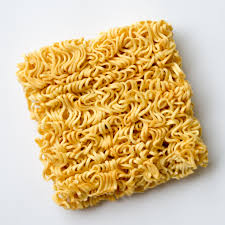
Instant noodles are pre-cooked, dried noodle products that are designed for quick preparation by adding hot water or boiling for a short time. They are typically made from wheat flour, water, salt, and sometimes egg or starch, and are accompanied by seasoning powders, oils, and flavor sachets.
Instant noodles are available in a wide range of flavors such as chicken, beef, vegetable, seafood, curry, and spicy chili. They are one of the most popular convenience foods globally due to their affordability, long shelf life, and ease of preparation.
Introduction
Instant noodles are a modern food innovation created to provide a fast, convenient, and affordable meal solution for busy lifestyles. First developed in the mid-20th century, they have since become a global staple consumed in households, dormitories, workplaces, and travel environments.
The production of instant noodles involves cooking fresh noodle dough, shaping it into strands or blocks, and then dehydrating it through frying or air-drying. This process allows the noodles to be stored for long periods without refrigeration while retaining their ability to rehydrate quickly when prepared.
Instant noodles are especially popular among students, workers, travelers, and individuals seeking quick meal options. Their appeal lies in their simplicity, low cost, and wide variety of flavors. In many countries, they are considered an essential pantry item and a quick emergency food source.
Modern instant noodle products have evolved significantly, with manufacturers offering healthier versions such as low-sodium, non-fried, whole grain, and fortified noodles. Some premium varieties also include real vegetables, dehydrated meat, or advanced seasoning blends to enhance taste and nutrition.
Today, instant noodles are a dominant category in the global convenience food industry, available in cups, bowls, and packet formats across supermarkets, convenience stores, and online markets.
Instant noodles can be prepared in just a few minutes using hot water or boiling.
2. Affordable Meal Option
They are one of the most cost-effective meal solutions available globally.
3. Long Shelf Life
Proper drying and packaging allow instant noodles to last for months without refrigeration.
4. Wide Flavor Variety
Available in numerous flavors such as spicy, chicken, beef, seafood, and vegetarian options.
5. Easy Storage and Portability
Lightweight packaging makes them easy to store and transport.
6. Convenient Meal Solution
Ideal for quick meals at home, work, or travel.
7. Global Popularity
Instant noodles are consumed in almost every country worldwide.
Manufacturing Process
The production of instant noodles involves several controlled steps:
1. Dough Preparation
Wheat flour is mixed with water, salt, and other ingredients to form noodle dough.
2. Rolling and Cutting
The dough is flattened into sheets and cut into thin noodle strands.
3. Cooking/Steaming
Noodles are partially cooked to gelatinize starch and improve texture.
4. Shaping
Cooked noodles are shaped into blocks or nests.
5. Drying or Frying
Noodles are dehydrated using hot air drying or deep frying to remove moisture.
6. Cooling
Dried noodles are cooled to stabilize texture.
7. Packaging
Noodles are packed with seasoning sachets and sealed.
8. Quality Control
Products are tested for taste, moisture content, and safety standards.
Types of Instant Noodles
1. Fried Instant Noodles
Noodles dehydrated using oil frying for faster cooking and rich flavor.
2. Non-Fried (Air-Dried) Noodles
Healthier option with reduced oil content.
3. Cup Noodles
Packaged in cups for easy preparation and consumption.
4. Bowl Noodles
Larger portions served in bowl-style containers.
5. Premium Instant Noodles
Include real vegetables, meat pieces, and enhanced seasoning.
6. Low-Sodium Noodles
Formulated for health-conscious consumers.
7. Whole Wheat Noodles
Made with whole grain flour for added fiber.
Uses of Instant Noodles
1. Quick Meals
Provides instant food solution for busy individuals.
2. Student Diet
Popular among students due to affordability and ease of preparation.
3. Travel Food
Convenient for trips, camping, and outdoor activities.
4. Emergency Food Supply
Used as a backup food option during emergencies.
5. Workplace Meals
Common lunch or snack option in offices and factories.
6. Household Convenience
Used as a quick meal or snack at home.
7. Food Service Industry
Used in some fast-food and budget meal services.
Advantages of Instant Noodles
Time Efficiency
Requires only a few minutes to prepare.
Low Cost
Affordable compared to many other meal options.
Easy Availability
Found in almost all retail stores globally.
Long Storage Life
Can be stored for extended periods without spoilage.
Versatile Flavors
Offers a wide range of taste options.
Minimal Preparation
No complex cooking skills required.
Quality Considerations
To ensure high-quality instant noodles, manufacturers focus on:
Selection of quality wheat flour
Proper dough formulation
Controlled cooking and drying processes
Hygienic packaging conditions
Accurate seasoning balance
Moisture control for shelf stability
Food safety compliance
Taste consistency testing
Market Demand and Consumer Trends
The global instant noodles market continues to grow due to rising demand for convenient and affordable meals. Key trends include:
Healthier low-fat and low-sodium noodles
Non-fried and air-dried varieties
Premium gourmet instant noodles
Vegetable-enriched and fortified noodles
Cup and bowl packaging innovations
Spicy and regional flavor development
Eco-friendly packaging solutions
Consumers increasingly prefer instant noodles that balance convenience, taste, and improved nutritional value, driving continuous innovation in the category.
Conclusion
Instant noodles are a fast, affordable, and highly convenient food product that has become a global staple in modern diets. Their quick preparation time, long shelf life, and wide variety of flavors make them an essential meal option for students, workers, and travelers.
Despite being a simple food product, instant noodles continue to evolve with healthier formulations and premium variations. Their adaptability and global popularity ensure they remain a key player in the convenience food industry for years to come.