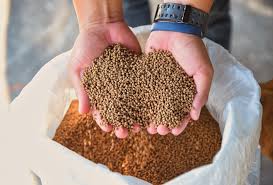
Soup mixes are convenient food products designed to help consumers prepare delicious, nutritious, and flavorful soups quickly and easily. In today’s fast-paced world, where time is often limited, soup mixes provide an efficient solution for individuals and families seeking wholesome meals without spending hours in the kitchen. These products are widely used in households, restaurants, hotels, catering services, schools, hospitals, and other food service establishments.
Available in a variety of flavors and formulations, soup mixes can be prepared by simply adding water, milk, or other ingredients and heating the mixture according to the manufacturer’s instructions. They offer consistency in taste, ease of preparation, extended shelf life, and affordability, making them a popular choice among consumers worldwide.
The increasing demand for convenient foods, coupled with growing consumer awareness of nutrition and healthy eating habits, has contributed significantly to the popularity of soup mixes. Manufacturers continuously develop innovative recipes incorporating vegetables, herbs, spices, grains, legumes, and proteins to cater to diverse dietary preferences and nutritional requirements.
Product Definition
Soup mixes are pre-formulated food products containing a blend of dehydrated ingredients such as vegetables, herbs, spices, seasonings, starches, legumes, grains, proteins, and flavor enhancers. These ingredients are carefully processed, measured, and packaged to enable consumers to prepare soup quickly by adding liquid and heating.
Soup mixes may be available in powdered, granulated, instant, dehydrated, or semi-processed forms and are designed to deliver a consistent flavor, texture, aroma, and nutritional profile. They can be used as standalone soup products or as ingredients in various culinary preparations.
These products are manufactured under controlled hygienic conditions to ensure food safety, quality, and shelf stability. Depending on the formulation, soup mixes may be vegetarian, vegan, gluten-free, low-sodium, high-protein, or fortified with vitamins and minerals.
Product Specifications
Parameter
Specification
Product Name
Soup Mixes
Product Type
Instant and Dehydrated Food Product
Physical Form
Powder, Granules, Flakes, or Dehydrated Blend
Color
Varies according to flavor and ingredients
Taste
Savory, Rich, Flavorful
Aroma
Characteristic of selected ingredients and seasonings
Manufactured under food safety and quality regulations
Availability
Retail, Wholesale, Food Service, Online Markets
Key Features of Soup Mixes
1. Convenience
One of the most important advantages of soup mixes is convenience. They significantly reduce meal preparation time and effort. Consumers only need to add water or another liquid and heat the mixture to obtain a ready-to-serve soup within minutes.
2. Long Shelf Life
Due to dehydration and controlled packaging processes, soup mixes have a long shelf life compared to fresh ingredients. This makes them suitable for storage, emergency food supplies, and inventory management.
3. Consistent Quality
Manufacturers carefully standardize ingredient ratios and processing methods to ensure consistent flavor, texture, color, and nutritional value across every batch.
4. Wide Variety of Flavors
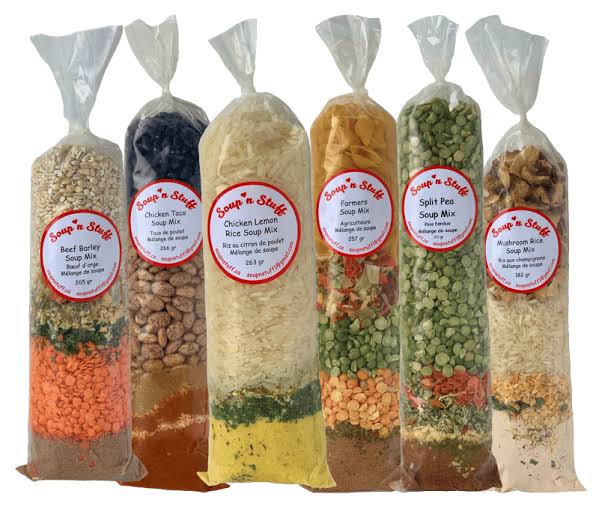
Soup mixes are available in numerous varieties to satisfy different consumer preferences. Popular options include:
Tomato Soup Mix
Chicken Soup Mix
Mushroom Soup Mix
Vegetable Soup Mix
Sweet Corn Soup Mix
Lentil Soup Mix
Onion Soup Mix
Pumpkin Soup Mix
Mixed Vegetable Soup Mix
Cream-Based Soup Mixes
5. Nutritional Benefits
Many soup mixes contain nutritious ingredients such as vegetables, legumes, herbs, and grains that contribute essential vitamins, minerals, dietary fiber, and protein to the diet.
6. Cost-Effective Solution
Compared to preparing soup entirely from scratch, soup mixes can reduce ingredient wastage, labor costs, and preparation time, making them an economical option for both households and food service operations.
Manufacturing Process
The production of soup mixes generally involves several carefully controlled steps:
Ingredient Selection
High-quality vegetables, herbs, spices, grains, proteins, and seasonings are selected according to product specifications.
Cleaning and Preparation
Raw materials are cleaned thoroughly to remove impurities and contaminants before processing.
Dehydration
Vegetables and other ingredients are dehydrated using advanced drying techniques to reduce moisture content while preserving flavor and nutritional value.
Grinding and Blending
Ingredients are ground and blended in precise proportions to achieve the desired flavor and texture profile.
Quality Testing
The blended mixture undergoes rigorous quality control tests to ensure compliance with food safety and product standards.
Packaging
The finished soup mix is packed in moisture-resistant packaging materials that help maintain freshness and shelf stability.
Storage and Distribution
Products are stored under suitable conditions and distributed to retail stores, supermarkets, wholesalers, and food service providers.
Uses of Soup Mixes
Household Consumption
Soup mixes are commonly used in homes for preparing quick and satisfying meals. They are especially useful for busy families, students, and working professionals.
Restaurants and Hotels
Food service establishments use soup mixes to ensure consistent quality, reduce preparation time, and streamline kitchen operations.
Catering Services
Catering companies often utilize soup mixes for large-scale meal preparation due to their convenience and predictable results.
Educational Institutions
Schools, colleges, and universities may include soups prepared from soup mixes in meal programs because they are easy to prepare and serve.
Healthcare Facilities
Hospitals and healthcare centers frequently use soup mixes to provide warm, nutritious meals that are easy to digest and suitable for various dietary requirements.
Emergency Food Supplies
Because of their long shelf life and simple preparation requirements, soup mixes are valuable components of emergency food reserves and disaster relief programs.
Travel and Outdoor Activities
Campers, hikers, travelers, and outdoor enthusiasts often carry soup mixes because they are lightweight, portable, and easy to prepare.
Culinary Applications
In addition to traditional soup preparation, soup mixes can be used as ingredients in:
Sauces
Gravies
Casseroles
Stews
Rice dishes
Pasta dishes
Marinades
Seasoning blends
Benefits of Using Soup Mixes
Time Saving
Preparation usually takes only a few minutes, making soup mixes ideal for busy lifestyles.
Reduced Food Waste
Pre-measured ingredients minimize waste associated with fresh produce and unused ingredients.
Easy Storage
Compact packaging allows convenient storage in kitchen cabinets, pantries, and food service facilities.
Enhanced Flavor
Carefully selected ingredients and seasonings create balanced and appealing flavor profiles.
Portion Control
Many soup mixes are available in single-serving or family-sized packs, allowing consumers to prepare the desired quantity.
Versatility
Soup mixes can be customized with additional vegetables, proteins, herbs, and spices according to personal preferences.
Packaging and Storage
Soup mixes are typically packaged in moisture-proof and air-resistant materials to protect product quality throughout their shelf life. Common packaging formats include:
Single-use sachets
Stand-up pouches
Cartons
Bulk food service packs
Multi-pack retail boxes
For optimal quality, products should be stored in a cool, dry environment away from direct sunlight, excessive heat, and moisture.
Market Demand and Consumer Appeal
The global demand for soup mixes continues to grow due to changing lifestyles, urbanization, increased workforce participation, and the rising popularity of convenience foods. Consumers increasingly seek products that offer a balance between nutrition, taste, affordability, and ease of preparation.
Health-conscious consumers are also driving demand for premium soup mixes containing natural ingredients, reduced sodium levels, organic vegetables, plant-based proteins, and clean-label formulations.
Manufacturers continue to innovate by introducing new flavors, improved nutritional profiles, and environmentally friendly packaging solutions to meet evolving market expectations.
Conclusion
Soup mixes are versatile, convenient, and cost-effective food products that simplify soup preparation while delivering consistent taste, quality, and nutrition. Made from carefully selected and processed ingredients, they offer a practical solution for households, food service establishments, healthcare institutions, and catering operations. Their long shelf life, ease of storage, variety of flavors, and broad culinary applications make them an essential product in modern kitchens. As consumer demand for convenient and nutritious food options continues to rise, soup mixes remain a valuable and reliable choice for quick, delicious, and satisfying meal preparation.