Biscuits are one of the most widely consumed baked snack products in the global food industry, known for their convenience, long shelf life, diverse flavors, and broad consumer appeal. They are enjoyed by people of all ages and are commonly consumed as breakfast items, tea-time snacks, on-the-go foods, and dessert accompaniments. Biscuits have become a household staple in many regions of the world due to their affordability, ease of storage, and wide availability in retail markets.
Over time, biscuit manufacturing has evolved from simple handcrafted recipes to highly automated industrial production systems that ensure consistent quality, hygiene, and large-scale output. Today, biscuits are produced in countless varieties, ranging from plain and sweet biscuits to cream-filled, chocolate-coated, digestive, and fortified health biscuits. Their versatility allows them to cater to different taste preferences, dietary needs, and cultural eating habits.
The global biscuit industry continues to expand as consumer demand grows for convenient, ready-to-eat snacks. Innovations in flavors, ingredients, and packaging have also contributed to the strong market presence of biscuits in supermarkets, convenience stores, bakeries, and online retail platforms. Their ability to combine taste, nutrition, and convenience makes them one of the most important baked goods worldwide.
Product Definition
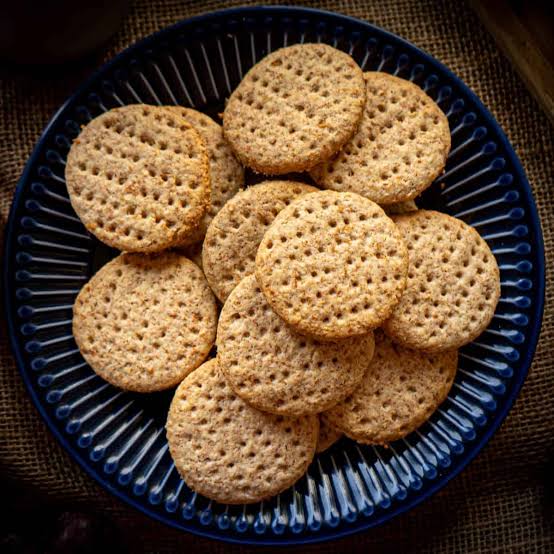
Biscuits are baked food products made primarily from flour, fat, sugar, and water, combined with other ingredients such as milk, flavorings, leavening agents, chocolate, nuts, or fillings. The dough is mixed, shaped, and baked under controlled conditions to produce a crisp, semi-sweet or savory snack with a firm texture and extended shelf life.
Biscuits can vary widely in texture and composition, ranging from light and crunchy to rich and buttery or soft-filled varieties. Depending on the recipe, biscuits may be sweet, savory, plain, or flavored. They are often packaged for retail sale in sealed packs to preserve freshness and prevent moisture absorption.
Manufactured under strict food safety and quality standards, biscuits are produced in commercial bakeries and food processing plants and distributed globally as mass-market snack products.
Product Specifications
Parameter
Specification
Product Name
Biscuits
Product Type
Baked Snack Product
Physical Form
Flat, Round, Rectangular, Sandwich, Filled Shapes
Color
Golden Brown, Light Brown, Chocolate Coated Variants
Taste
Sweet, Buttery, Mildly Sweet, or Savory
Aroma
Baked Flour Aroma with Sweet or Flavor Notes
Main Ingredients
Wheat Flour, Sugar, Fat, Water
Additional Ingredients
Milk, Chocolate, Cream, Nuts, Spices, Flavorings
Processing Method
Mixing, Shaping, Baking, Cooling, Packaging
Texture
Crisp, Crunchy, Soft, or Cream-Filled
Shelf Life
3–12 Months Depending on Packaging
Packaging Type
Plastic Packs, Foil Wrapping, Cartons, Tins
Storage Condition
Cool, Dry Environment Away from Moisture
Nutritional Value
Source of Energy, Carbohydrates, Fats
Quality Grade
Commercial, Premium, Health-Oriented, Gourmet
Target Consumers
Households, Schools, Offices, Retail Markets
Food Safety Compliance
HACCP, GMP, ISO Food Standards
Availability
Retail, Wholesale, Export Markets
Key Features of Biscuits
1. Wide Variety of Types
Biscuits are available in numerous forms and flavors, making them suitable for different consumer preferences.
Popular varieties include:
Plain Sweet Biscuits
Cream-Filled Biscuits
Chocolate Biscuits
Digestive Biscuits
Butter Biscuits
Oat Biscuits
Shortbread Biscuits
Sandwich Biscuits
Wafer Biscuits
Milk Biscuits
Glucose Biscuits
Savory Crackers
High-Fiber Biscuits
Sugar-Free Biscuits
2. Long Shelf Life
One of the key advantages of biscuits is their ability to remain fresh for long periods without refrigeration when properly packaged.
3. Convenience
Biscuits are ready-to-eat snacks that require no preparation, making them ideal for busy lifestyles.
4. Portability
Lightweight packaging makes biscuits easy to carry and consume anywhere.
5. Wide Consumer Appeal
Biscuits are enjoyed by children, adults, and elderly consumers alike.
6. Affordable Snack Option
Biscuits are widely accessible and available in various price ranges.
Production and Manufacturing Process
Ingredient Selection
High-quality ingredients such as wheat flour, sugar, fats, and flavorings are selected based on product formulation.
Mixing
Ingredients are combined to form a consistent dough or batter.
Dough Preparation
The dough is kneaded and refined to achieve the desired texture and elasticity.
Shaping
The dough is shaped into specific biscuit forms using molds, cutting machines, or extrusion systems.
Baking
Biscuits are baked in controlled ovens to achieve crispness, color, and flavor development.
Cooling
After baking, biscuits are cooled to stabilize texture and prevent moisture retention.
Filling or Coating (Optional)
Some biscuits are filled with cream, jam, chocolate, or coated with icing or chocolate layers.
Packaging
Biscuits are packaged in moisture-proof materials to preserve freshness and prevent breakage.
Storage and Distribution
Finished products are stored in dry conditions and distributed through retail and wholesale channels.
Nutritional Value of Biscuits
The nutritional content of biscuits varies depending on ingredients and formulation.
Carbohydrates
Biscuits are a major source of energy due to their carbohydrate content.
Fats
Fats contribute to flavor, texture, and energy value.
Protein
Flour and milk-based ingredients provide moderate protein content.
Vitamins
Fortified biscuits may contain:
Vitamin A
Vitamin B1 (Thiamine)
Vitamin B2 (Riboflavin)
Vitamin D
Niacin
Minerals
Common minerals include:
Iron
Calcium
Magnesium
Phosphorus
Zinc
Health-Oriented Variants
Modern biscuit production includes:
Sugar-Free Biscuits
High-Fiber Biscuits
Whole Grain Biscuits
Gluten-Free Biscuits
Protein-Enriched Biscuits
Uses of Biscuits
Household Consumption
Biscuits are commonly consumed at home as snacks or light meals.
Tea and Coffee Companion
They are widely paired with hot beverages.
School Snacks
Biscuits are popular in school lunch boxes.
Office Snacks
Employees often consume biscuits during breaks.
Travel Food
Biscuits are convenient for travel due to their portability.
Hospitality Industry
Hotels and restaurants serve biscuits as complimentary snacks.
Retail Sales
Supermarkets and convenience stores rely heavily on biscuit sales.
Culinary Applications
Biscuits are used in various food preparations.
Snack Consumption
Consumed directly as ready-to-eat snacks.
Dessert Bases
Crushed biscuits are used in cheesecakes and dessert bases.
Milk Pairings
Biscuits are often eaten with milk or tea.
Baking Ingredient
Used in dessert crusts and layered sweets.
Ice Cream Toppings
Crushed biscuits are used in ice cream desserts.
Benefits of Biscuits
Long Shelf Stability
Biscuits remain edible for long durations without refrigeration.
Convenience
Ready-to-eat format supports fast consumption.
Wide Availability
Easily accessible in global markets.
Variety
Available in numerous flavors and textures.
Cost Efficiency
Affordable snack option for mass consumption.
Energy Source
Provides quick energy through carbohydrates and fats.
Packaging and Storage
Biscuits require protective packaging to maintain quality.
Common packaging formats include:
Plastic Wrappers
Foil Packs
Cartons
Tin Containers
Family Packs
Storage recommendations:
Store in a cool, dry place
Avoid exposure to moisture
Keep sealed after opening
Protect from direct sunlight
Market Demand and Consumer Appeal
The global biscuit market continues to grow due to increasing demand for convenient snacks, urbanization, and changing lifestyles. Biscuits are widely consumed across all age groups and income levels, making them one of the most stable and profitable product categories in the bakery industry.
Manufacturers continue to innovate with healthier formulations, premium flavors, and functional biscuits that support nutrition-focused diets. The rise of e-commerce, retail expansion, and global distribution networks has further strengthened biscuit accessibility and demand worldwide.
Conclusion
Biscuits are one of the most important baked snack products globally, valued for their convenience, long shelf life, affordability, and wide variety of flavors. Produced using carefully selected ingredients and advanced manufacturing processes, biscuits serve as a reliable food product for households, schools, offices, hospitality services, and retail markets. Their versatility, portability, and consistent demand make them a key segment in the global bakery and snack industry. As consumer preferences continue to evolve, biscuits remain a highly relevant and essential product in everyday diets around the world.