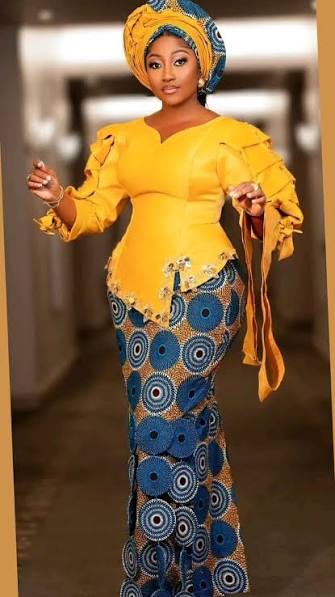
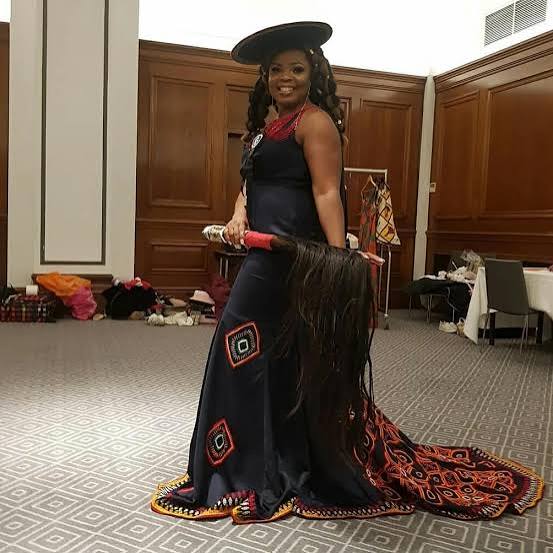
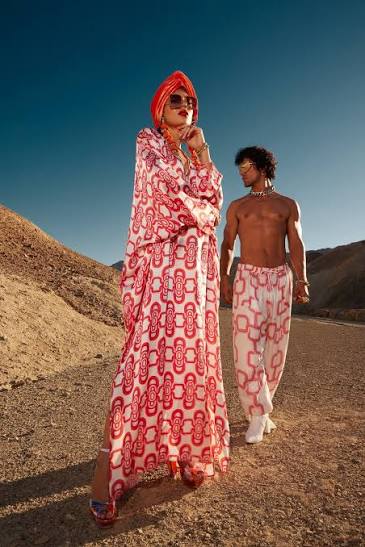
A kaftan is a loose-fitting, long-flowing garment that is typically worn over the body and extends from the shoulders to the ankles or lower legs. It is designed with wide sleeves and a relaxed silhouette, making it one of the most comfortable traditional garments in the world.
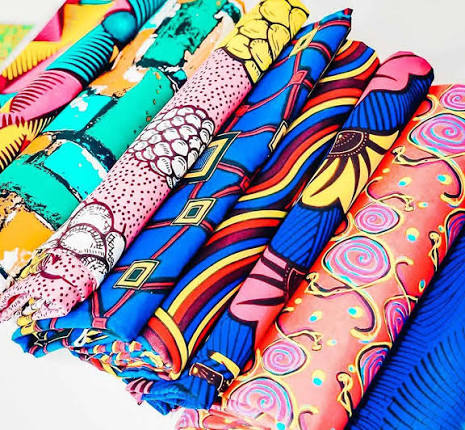
Kaftans are usually made from lightweight or medium-weight fabrics such as cotton, silk, satin, chiffon, or linen. They can be plain, embroidered, printed, or heavily decorated depending on cultural origin and fashion use.
Unlike structured clothing, kaftans prioritize comfort, airflow, and ease of movement while still maintaining elegance.
—
2. INTRODUCTION TO KAFTANS
Kaftans have a long historical background and are believed to have originated in ancient Mesopotamia and Persia before spreading to the Middle East, North Africa, and parts of Asia. Over time, they became a symbol of royalty, wealth, and cultural identity in many regions.
Traditionally, kaftans were worn by kings, queens, and high-ranking officials as luxurious robes made from silk and decorated with embroidery or gold thread. In modern fashion, kaftans have evolved into versatile garments worn by both men and women across the world.
Today, kaftans are widely used in casual wear, beachwear, religious clothing, ceremonial attire, and high-fashion collections. Their flowing design and adaptability make them suitable for different climates and occasions.
—
3. TABULATED SPECIFICATION OF KAFTANS
| SPECIFICATION CATEGORY | DETAILS |
|————————|———|
| Garment Type | Loose-fitting long robe/dress |
| Fabric Types | Cotton, silk, satin, chiffon, linen, blends |
| Fit Style | Oversized, free-flowing silhouette |
| Sleeve Type | Wide, long, or flared sleeves |
| Length Variations | Knee-length, midi, ankle-length, floor-length |
| Design Style | Plain, embroidered, printed, embellished |
| Breathability | High (depending on fabric choice) |
| Comfort Level | Very high (loose structure) |
| Occasion Use | Casual, formal, cultural, beachwear |
| Maintenance | Moderate (fabric-dependent care) |
| Cultural Origin | Middle East, North Africa, West Asia |
| Modern Adaptation | Global fashion and luxury wear |
—
4. TYPES OF KAFTANS
4.1 CASUAL KAFTANS
These are simple kaftans made from cotton or linen, designed for everyday comfort and relaxation.
4.2 BEACH KAFTANS
Lightweight and breathable kaftans worn over swimwear. They are often semi-transparent or flowy.
4.3 EMBROIDERED KAFTANS
Decorated with intricate embroidery, beads, or patterns, often worn for celebrations and cultural events.
4.4 LUXURY KAFTANS
Made from silk, satin, or high-end fabrics, these kaftans are designed for formal occasions and fashion events.
4.5 TRADITIONAL KAFTANS
Culturally rooted designs that vary by region, often reflecting heritage, identity, and ceremonial use.
—
5. MATERIALS USED IN KAFTANS
– Cotton: breathable and suitable for daily wear
– Silk: smooth, shiny, and luxurious
– Satin: elegant and commonly used for evening wear
– Chiffon: lightweight and flowy
– Linen: ideal for hot climates
– Blended fabrics: combine durability and comfort
Fabric choice strongly influences the kaftan’s appearance, comfort, and occasion suitability.
—
6. MANUFACTURING PROCESS OF KAFTANS
1. Fabric selection based on intended use
2. Pattern design (loose, flowing structure)
3. Fabric cutting into wide panels
4. Stitching of body and sleeves
5. Embellishment (embroidery, beads, prints if required)
6. Hem finishing and detailing
7. Quality inspection
8. Packaging and distribution
Kaftans require less complex tailoring compared to fitted garments due to their loose structure.
—
7. USES OF KAFTANS
7.1 CASUAL WEAR
Kaftans are commonly worn for relaxation, home wear, and comfortable daily clothing.
7.2 BEACH AND RESORT WEAR
Light kaftans are used as stylish cover-ups for swimwear and holiday outfits.
7.3 CULTURAL AND TRADITIONAL EVENTS
In many regions, kaftans are worn during ceremonies, weddings, and religious gatherings.
7.4 FASHION AND LUXURY WEAR
Modern designers incorporate kaftans into high-fashion collections and runway shows.
7.5 RELIGIOUS AND MODEST FASHION
Kaftans are also used as modest clothing due to their loose and full-coverage design.
—
8. ADVANTAGES OF KAFTANS
– Extremely comfortable and breathable
– Suitable for all body types
– Easy to wear and style
– Versatile for multiple occasions
– Allows free movement
– Available in simple and luxury designs
—
9. LIMITATIONS OF KAFTANS
– Loose fit may not suit formal structured dress codes
– Can appear oversized if not styled properly
– Delicate fabrics require careful maintenance
– Limited shape definition compared to fitted garments
– Embellished versions can be expensive
—
10. CONCLUSION
Kaftans are timeless garments that combine comfort, elegance, and cultural heritage. Their loose-fitting design makes them one of the most versatile clothing items, suitable for casual wear, formal events, beachwear, and traditional ceremonies.
From ancient royal robes to modern fashion pieces, kaftans have maintained their relevance across centuries due to their adaptability and aesthetic appeal. They continue to evolve in global fashion, blending tradition with contemporary style.
Overall, kaftans represent a balance between comfort and elegance, making them a unique and enduring garment in the world of textiles and fashion.