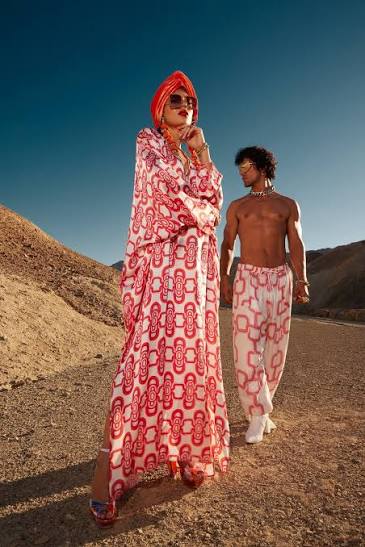
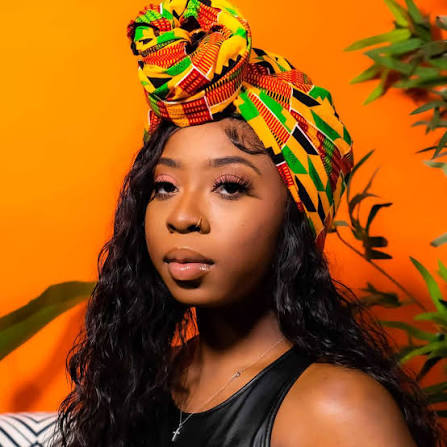
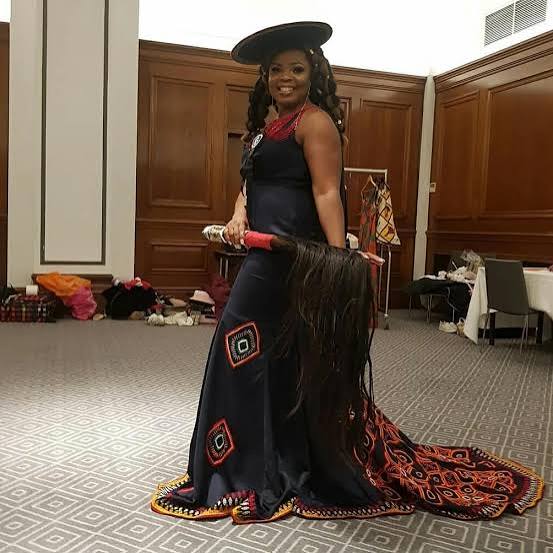
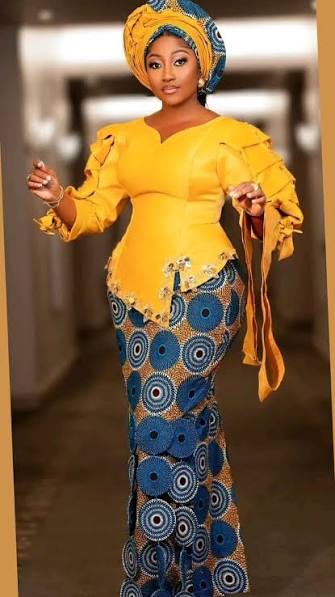
Traditional gowns are long, flowing garments worn by women that reflect cultural heritage, customs, and identity. These gowns are typically designed using specific fabrics, patterns, and tailoring styles that are associated with a particular region, ethnic group, or cultural tradition.
Unlike modern fashion gowns that focus mainly on trends, traditional gowns emphasize cultural meaning, modesty, symbolism, and ceremonial importance. They are often worn during weddings, festivals, religious events, and cultural celebrations.
Traditional gowns vary widely across the world, from African ceremonial dresses and Middle Eastern abayas to Asian hanboks and European folk dresses.
—
2. INTRODUCTION TO TRADITIONAL GOWNS
Traditional gowns have been an essential part of cultural identity for centuries. They represent more than just clothing; they carry history, values, and social meaning passed down through generations.
In many societies, traditional gowns are worn during important life events such as marriages, naming ceremonies, festivals, and religious gatherings. The designs often reflect local craftsmanship, embroidery techniques, and textile traditions unique to each culture.
Over time, traditional gowns have also influenced modern fashion. Designers frequently incorporate traditional elements such as embroidery, beadwork, draping styles, and cultural patterns into contemporary evening gowns and couture collections.
Today, traditional gowns continue to hold strong cultural importance while also evolving into fashionable garments suitable for global audiences.
—
3. TABULATED SPECIFICATION OF TRADITIONAL GOWNS
| SPECIFICATION CATEGORY | DETAILS |
|————————|———|
| Garment Type | Long cultural/ceremonial dress |
| Fabric Types | Silk, cotton, satin, lace, chiffon, brocade |
| Design Style | Cultural, symbolic, often handcrafted |
| Fit Types | Loose, semi-fitted, or structured (varies by culture) |
| Length | Usually ankle-length or floor-length |
| Decoration | Embroidery, beads, sequins, prints, appliqué |
| Sleeve Types | Long sleeve, short sleeve, flared, or cultural styles |
| Occasion Use | Weddings, festivals, ceremonies, religious events |
| Breathability | Medium to high depending on fabric |
| Comfort Level | High (designed for extended wear) |
| Maintenance | Moderate to high (delicate fabrics often used) |
| Cultural Variation | Very high (differs by region and tradition) |
—
4. TYPES OF TRADITIONAL GOWNS
4.1 AFRICAN TRADITIONAL GOWNS
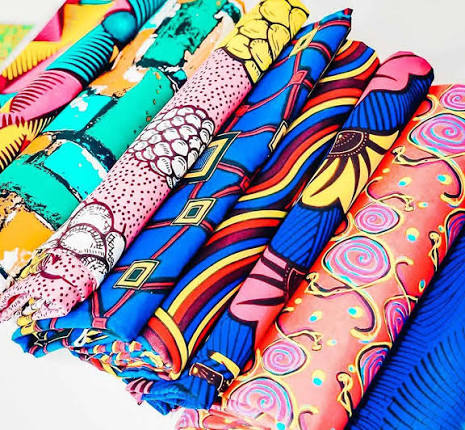
These gowns often use vibrant fabrics, such as African prints and lace, and are worn during weddings, cultural festivals, and naming ceremonies.
4.2 MIDDLE EASTERN TRADITIONAL GOWNS
Examples include abayas and kaftan-inspired gowns, often modest, flowing, and richly decorated for special occasions.
4.3 ASIAN TRADITIONAL GOWNS
Includes garments like hanbok, saree gowns, and qipao-inspired dresses, each with unique cultural tailoring and symbolism.
4.4 WESTERN FOLK AND CEREMONIAL GOWNS
These include historical-style gowns used in traditional European celebrations, often featuring embroidery, corsetry, and layered fabrics.
4.5 MODERN FUSION TRADITIONAL GOWNS
These gowns combine traditional cultural elements with modern fashion design, creating outfits suitable for global events and fashion shows.
—
5. MATERIALS USED IN TRADITIONAL GOWNS
– Silk: smooth, luxurious, and commonly used in ceremonial wear
– Cotton: breathable and widely used in everyday traditional clothing
– Satin: shiny and elegant for formal occasions
– Lace: decorative fabric used for elegance and detail
– Chiffon: lightweight and flowy material for layered gowns
– Brocade: rich woven fabric often used in royal or ceremonial outfits
Fabric choice often reflects the cultural significance and occasion of the gown.
—
6. MANUFACTURING PROCESS OF TRADITIONAL GOWNS
1. Cultural design research and inspiration
2. Fabric selection based on tradition and occasion
3. Pattern drafting and tailoring design
4. Cutting fabric into gown sections
5. Stitching and assembly of garment structure
6. Adding decorative elements (embroidery, beads, lace)
7. Fitting adjustments and finishing
8. Quality inspection and packaging
In many cases, traditional gowns are handcrafted, making each piece unique.
—
7. USES OF TRADITIONAL GOWNS
7.1 CULTURAL CEREMONIES
Traditional gowns are commonly worn during weddings, festivals, initiation ceremonies, and naming events.
7.2 RELIGIOUS EVENTS
Many traditional gowns are used in religious gatherings due to their modest and respectful design.
7.3 FORMAL OCCASIONS
They are worn at official cultural events, receptions, and heritage celebrations.
7.4 FASHION AND DESIGN INDUSTRY
Traditional gowns inspire modern fashion designers and appear in global runway collections.
7.5 IDENTITY AND HERITAGE EXPRESSION
They serve as a symbol of cultural pride, identity, and continuity.
—
8. ADVANTAGES OF TRADITIONAL GOWNS
– Strong cultural and symbolic value
– Elegant and visually appealing designs
– Suitable for special occasions
– Reflects heritage and identity
– Wide variety of styles across cultures
– Often handcrafted and unique
—
9. LIMITATIONS OF TRADITIONAL GOWNS
– Can be expensive due to detailed craftsmanship
– Requires careful maintenance
– May be heavy depending on fabric and decoration
– Limited use in everyday casual settings
– Style varies greatly, making standard sizing difficult
—
10. CONCLUSION
Traditional gowns are deeply rooted cultural garments that represent identity, heritage, and social values. They are worn during important ceremonies and celebrations, making them significant beyond their physical appearance.
Across different regions of the world, traditional gowns showcase the diversity of human culture through unique fabrics, designs, and craftsmanship. While they continue to evolve with modern fashion influences, their cultural essence remains unchanged.
Overall, traditional gowns stand as timeless garments that preserve history while continuing to inspire contemporary fashion design.