Ethanol is one of the most widely used organic chemical compounds in the world, valued for its versatility, effectiveness, and broad range of industrial, commercial, pharmaceutical, and energy-related applications. Commonly known as ethyl alcohol or simply alcohol, ethanol is a clear, colorless, volatile liquid with a characteristic odor. It is produced through the fermentation of sugars and starches derived from agricultural crops or through synthetic chemical processes.
As a renewable and biodegradable substance, ethanol plays a significant role in numerous industries, including healthcare, pharmaceuticals, cosmetics, food processing, chemical manufacturing, sanitation, and renewable energy. Its ability to function as a solvent, disinfectant, fuel, preservative, and chemical feedstock makes it an indispensable material in modern industrial and commercial operations.
The growing global emphasis on sustainable energy solutions has further increased the importance of ethanol, particularly as a biofuel and fuel additive. In addition to its industrial applications, ethanol is widely recognized for its use in sanitizers, cleaning products, laboratory procedures, and pharmaceutical formulations. Its adaptability and efficiency continue to drive demand across both developed and emerging markets.
Product Definition
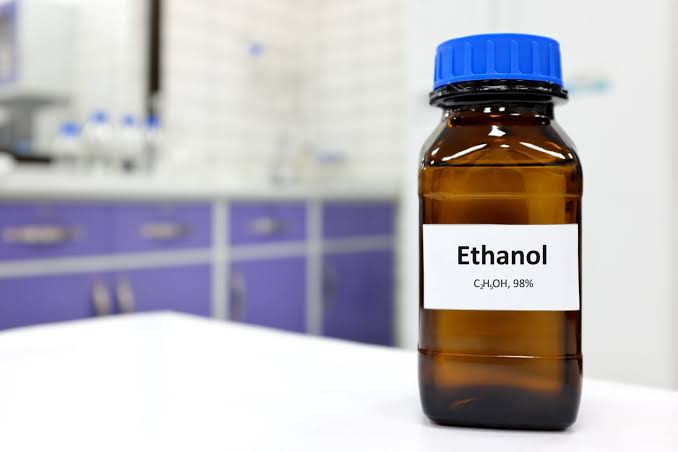
Ethanol is a volatile, flammable organic compound belonging to the alcohol family of chemicals. Its chemical formula is C₂H₅OH, consisting of carbon, hydrogen, and oxygen atoms. Ethanol is commonly produced through the fermentation of sugars by yeast or through industrial chemical synthesis processes.
The compound is characterized by its excellent solvency, rapid evaporation rate, disinfectant properties, and compatibility with numerous industrial and consumer applications. Ethanol serves as a raw material, solvent, fuel, preservative, disinfectant, and ingredient in a wide variety of products and manufacturing processes.
Product Specifications
The specifications of ethanol vary depending on purity level and intended application. The table below outlines common specifications associated with commercial ethanol products.
Specification
Description
Product Name
Ethanol
Chemical Name
Ethyl Alcohol
Chemical Formula
C₂H₅OH
CAS Number
64-17-5
Appearance
Clear, colorless liquid
Odor
Characteristic alcohol odor
Purity Range
Typically 95%–99.9% depending on grade
Molecular Weight
46.07 g/mol
Boiling Point
Approximately 78.37°C
Freezing Point
Approximately -114.1°C
Solubility
Completely miscible with water
Density
Approximately 0.789 g/cm³ at 20°C
Physical State
Liquid
Flammability
Highly flammable
Packaging Options
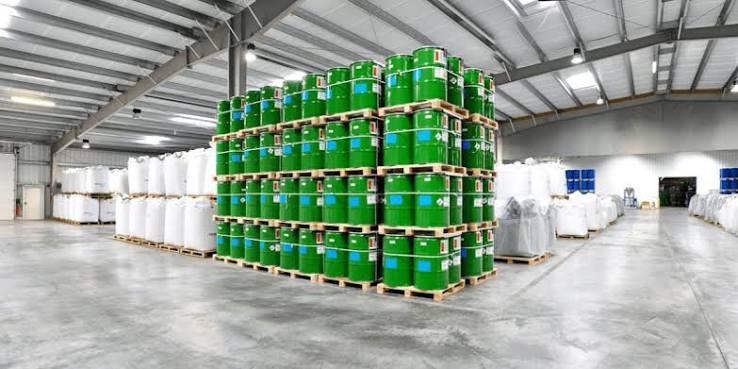
Bottles, drums, containers, bulk tankers
Storage Conditions
Cool, dry, well-ventilated environment
Product Features
1. High Purity and Quality
Commercial ethanol is produced under controlled manufacturing processes to ensure consistent purity and performance across various applications.
2. Excellent Solvent Properties
Ethanol effectively dissolves a wide range of organic compounds, making it valuable in chemical, pharmaceutical, and cosmetic formulations.
3. Rapid Evaporation
The product evaporates quickly without leaving significant residue, which is beneficial in cleaning and disinfecting applications.
4. Effective Disinfectant
Ethanol possesses strong antimicrobial properties that help eliminate bacteria, viruses, and other microorganisms when used appropriately.
5. Renewable Resource
Bioethanol produced from agricultural feedstocks is considered a renewable and environmentally sustainable resource.
6. Water Compatibility
Its complete miscibility with water allows easy formulation and application in numerous products and processes.
7. Versatile Industrial Applications
Ethanol is suitable for use across healthcare, energy, manufacturing, research, and consumer industries.
8. Biodegradable Nature
The compound breaks down naturally in the environment, reducing long-term environmental impact when managed responsibly.
Types of Ethanol
Fuel Ethanol
Fuel-grade ethanol is primarily used as a renewable fuel source or fuel additive to improve combustion efficiency and reduce emissions.
Industrial Ethanol
Industrial-grade ethanol is used in manufacturing, cleaning, chemical synthesis, and various industrial processes.
Pharmaceutical Ethanol
This high-purity grade is used in medicines, healthcare products, laboratory procedures, and pharmaceutical manufacturing.
Food-Grade Ethanol
Food-grade ethanol is produced to meet strict quality standards for approved food and beverage applications.
Denatured Ethanol
Denatured ethanol contains additives that make it unsuitable for consumption and is commonly used in industrial applications.
Absolute Ethanol
Absolute ethanol contains very low water content and is utilized in specialized laboratory, pharmaceutical, and industrial processes.
Uses of Ethanol
1. Hand Sanitizers and Disinfectants
Ethanol is a key ingredient in many sanitizing products due to its effectiveness against a broad range of microorganisms.
2. Pharmaceutical Manufacturing
The pharmaceutical industry uses ethanol as a solvent, preservative, extraction medium, and formulation ingredient.
3. Fuel and Energy Applications
Ethanol serves as a renewable fuel and fuel additive that helps improve combustion efficiency and reduce dependence on fossil fuels.
4. Chemical Production
It acts as a feedstock in the manufacture of numerous chemicals, solvents, and industrial compounds.
5. Cosmetic and Personal Care Products
Ethanol is widely used in perfumes, lotions, sprays, and other cosmetic formulations.
6. Laboratory and Research Applications
Scientific laboratories utilize ethanol for cleaning, preservation, extraction, and analytical procedures.
7. Cleaning and Surface Preparation
Its solvent and evaporation properties make ethanol effective for cleaning equipment, surfaces, and sensitive materials.
8. Food Processing Applications
Food-grade ethanol is used in flavor extraction, food preservation, and approved processing applications.
Advantages of Ethanol
Versatility
Ethanol’s wide range of applications makes it one of the most valuable and adaptable chemical compounds in modern industry.
Effective Antimicrobial Properties
Its ability to reduce microbial contamination supports hygiene, sanitation, and healthcare initiatives.
Renewable Production
Bioethanol derived from agricultural resources contributes to sustainable production systems and renewable energy strategies.
Excellent Solvent Performance
The compound effectively dissolves many substances used in industrial and commercial manufacturing.
Fast Drying Characteristics
Rapid evaporation enhances convenience and efficiency in cleaning and disinfecting applications.
Environmental Benefits
Compared with some petroleum-based alternatives, renewable ethanol can contribute to lower greenhouse gas emissions when used appropriately.
Economic Importance
Ethanol supports multiple industries and contributes significantly to agricultural, manufacturing, healthcare, and energy sectors.
Storage and Handling
Due to its flammability, ethanol must be handled and stored with appropriate safety precautions.
Storage Guidelines
Store in tightly sealed containers.
Keep in a cool, dry, and well-ventilated location.
Protect from heat sources, sparks, and open flames.
Avoid direct sunlight and excessive temperatures.
Handling Precautions
Use appropriate personal protective equipment when required.
Ensure adequate ventilation during use.
Avoid inhalation of excessive vapors.
Follow all manufacturer and regulatory safety guidelines.
Transportation
Transport using approved containers and packaging.
Comply with applicable regulations governing flammable liquids.
Protect containers from physical damage during transit.
Market Demand and Industry Importance
Ethanol remains one of the most important chemical compounds in global commerce. Demand is driven by its widespread use in renewable energy, healthcare, sanitation, pharmaceuticals, chemical manufacturing, and consumer products. The increasing focus on sustainable energy solutions and environmental responsibility has strengthened the role of ethanol as a renewable fuel and industrial raw material.
Advancements in biofuel technology, agricultural processing, and industrial chemistry continue to expand ethanol’s applications and market opportunities. Its significance in supporting energy diversification, public health initiatives, and industrial productivity ensures its continued relevance in the global economy.
Conclusion
Ethanol is a highly versatile organic compound that serves critical functions across numerous industries, including healthcare, pharmaceuticals, sanitation, manufacturing, energy, and scientific research. Its excellent solvent properties, disinfectant effectiveness, renewable production potential, and broad application range make it one of the most valuable chemical substances used today.
Available in various grades and formulations, ethanol provides flexible solutions for diverse industrial, commercial, and consumer needs. Its contribution to public health, renewable energy development, and modern manufacturing processes underscores its importance in contemporary society. With ongoing innovation and increasing demand for sustainable products, ethanol is expected to remain a vital component of global industrial and economic development for many years to come.