Industrial Solvents: A Comprehensive Product Description
Introduction
Industrial solvents are essential chemical substances widely used across manufacturing, processing, cleaning, pharmaceutical, automotive, construction, chemical, and numerous other industries. These versatile compounds play a critical role in dissolving, diluting, extracting, suspending, or cleaning materials during various industrial operations. Their ability to interact with a broad range of substances makes them indispensable in modern production and maintenance processes.
Industrial solvents are available in different chemical compositions and formulations, including organic and inorganic varieties. They are commonly used in the production of paints, coatings, adhesives, inks, pharmaceuticals, cosmetics, agrochemicals, and cleaning products. Additionally, solvents are vital in degreasing machinery, cleaning equipment, extracting compounds, and facilitating chemical reactions in manufacturing environments.
The growing demand for efficient industrial processes, high-quality products, and advanced manufacturing technologies continues to drive the global market for industrial solvents. Innovations in environmentally friendly and low-emission solvent technologies are also contributing to the development of safer and more sustainable industrial practices.
Product Definition
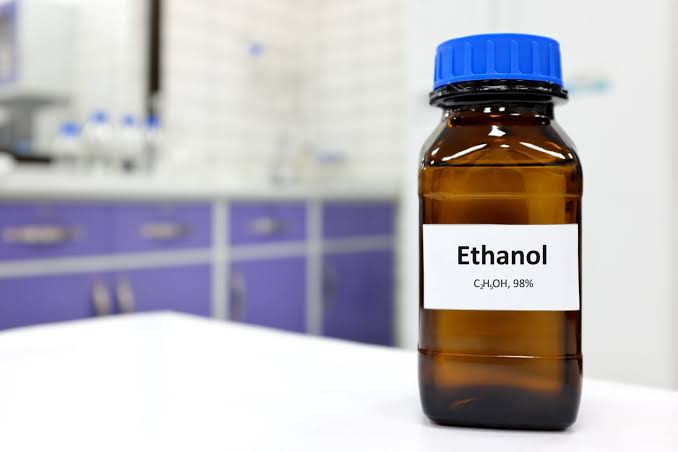
Industrial solvents are liquid chemical substances used to dissolve, dilute, suspend, extract, or clean other materials without significantly altering their chemical composition. They serve as processing aids, cleaning agents, carriers, and reaction media in a wide variety of industrial applications.
Depending on their chemical structure and intended use, industrial solvents may be water-based, petroleum-based, alcohol-based, ketone-based, ester-based, or derived from other chemical groups. Their selection is typically based on factors such as solvency power, evaporation rate, compatibility, safety requirements, and environmental considerations.
Product Specifications
The specifications of industrial solvents vary depending on the chemical composition and application requirements. The table below outlines common specifications associated with industrial solvent products.
Specification
Description
Product Name
Industrial Solvent
Product Type
Industrial Chemical and Processing Aid
Primary Function
Dissolving, cleaning, diluting, extracting, and processing materials
Physical State
Liquid
Appearance
Clear, colorless, or lightly colored liquid
Solvent Type
Organic, inorganic, water-based, petroleum-based
Purity Level
Varies according to industrial grade and application
Their wide range of formulations allows application across numerous industries and processes.
Improved Product Quality
Proper solvent selection enhances manufacturing precision, consistency, and final product performance.
Cost-Effective Operations
Efficient cleaning, processing, and formulation capabilities contribute to reduced production costs.
Process Optimization
Solvents facilitate critical manufacturing functions that would otherwise be difficult or inefficient.
Broad Material Compatibility
Various solvent types allow compatibility with diverse materials and industrial requirements.
Support for Advanced Manufacturing
Industrial solvents are fundamental components of modern production technologies and chemical processes.
Storage and Handling
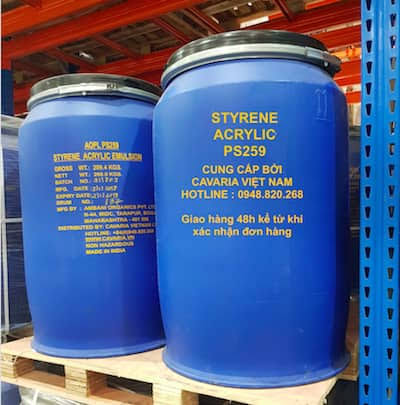
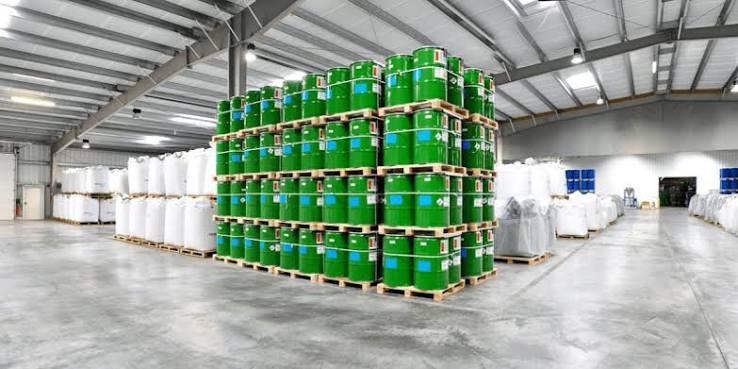
Proper storage and handling are essential for maintaining solvent quality and ensuring workplace safety.
Storage Guidelines
Store in approved, tightly sealed containers.
Keep in cool, dry, and well-ventilated locations.
Protect from direct sunlight and excessive heat.
Separate from incompatible substances.
Handling Precautions
Follow all manufacturer instructions and safety regulations.
Use appropriate personal protective equipment.
Ensure adequate ventilation during use.
Prevent unnecessary exposure and spills.
Transportation
Transport according to applicable chemical transportation regulations.
Use approved packaging and labeling systems.
Protect containers from physical damage during transit.
Market Demand and Industry Importance
Industrial solvents remain critical components of global manufacturing and industrial infrastructure. Their extensive use in chemical processing, coatings, pharmaceuticals, electronics, automotive production, and cleaning applications supports strong and sustained market demand. As industries continue to pursue higher efficiency, improved product quality, and environmental responsibility, solvent technologies continue to evolve.
The development of low-emission, bio-based, and environmentally friendly solvent systems is reshaping the industry while maintaining the essential functions solvents provide. Growing industrialization, infrastructure development, and technological advancement further reinforce the importance of industrial solvents worldwide.
Conclusion
Industrial solvents are indispensable chemical products that support a vast array of manufacturing, cleaning, extraction, formulation, and processing activities. Their ability to dissolve, dilute, clean, and facilitate chemical interactions makes them essential tools across numerous industries. Available in various chemical classes and formulations, industrial solvents offer flexible solutions for diverse operational requirements.
With their proven effectiveness, versatility, and contribution to industrial productivity, industrial solvents continue to play a central role in modern manufacturing and commercial operations. As innovation drives the development of safer and more sustainable formulations, industrial solvents will remain vital components of global industrial growth and technological advancement.