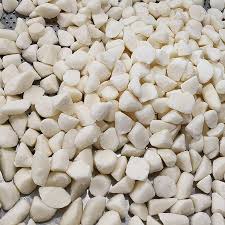
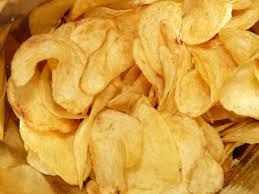
Processed Chips – Premium Ready-to-Eat Snack Products for Food Retail, Convenience, and Global Snack Markets
Introduction
Processed Chips are widely consumed ready-to-eat snack products produced from carefully processed agricultural ingredients such as potatoes, cassava, plantains, corn, yams, and other starch-rich crops. Known for their crispy texture, attractive flavor, convenience, and long shelf life, processed chips have become one of the most popular snack food categories in global food markets.
Processed chips are manufactured through controlled food processing techniques involving raw material selection, washing, slicing, frying or baking, seasoning, cooling, packaging, and quality control procedures. These processes help create snack products with desirable taste, texture, appearance, and storage stability suitable for retail distribution and mass consumption.
The global popularity of processed chips continues to grow because of changing lifestyles, urbanization, increasing demand for convenience foods, and the expansion of modern retail systems. Processed chips are commonly consumed in homes, schools, offices, restaurants, cinemas, supermarkets, and social gatherings due to their portability and ready-to-eat convenience.
One of the major strengths of processed chips is product diversity. Manufacturers produce chips in various flavors, shapes, textures, and ingredient compositions to satisfy different consumer preferences and market segments. Common varieties include potato chips, cassava chips, tortilla chips, plantain chips, yam chips, multigrain chips, baked chips, and flavored snack chips.
Processed chips are valued not only for convenience but also for their role in modern food industries. The snack sector supports large-scale agricultural production, food processing industries, packaging businesses, transportation systems, retail distribution, and international trade. The growing snack food market continues to generate employment opportunities and economic growth across agricultural and manufacturing sectors.
Modern consumers increasingly demand high-quality processed chips with improved nutritional profiles, natural ingredients, reduced oil content, and innovative flavors. As a result, food manufacturers continue investing in advanced processing technologies, healthier formulations, and sustainable packaging systems to meet changing consumer expectations.
Processed chips are produced under strict hygienic conditions using quality control systems designed to ensure food safety, texture consistency, flavor stability, and long shelf life. Proper packaging is especially important to preserve crispiness, prevent moisture absorption, and maintain product freshness during storage and transportation.
Today, processed chips remain among the world’s most commercially successful snack food products, supporting food manufacturing industries, retail businesses, convenience food markets, and global trade networks. Their versatility, convenience, and broad consumer appeal continue to strengthen their demand across international markets.
Product Definition
Processed chips are ready-to-eat snack products produced from sliced or shaped agricultural raw materials that are fried, baked, dried, or otherwise processed into crispy snack foods. These products are widely consumed for convenience snacking, retail sales, catering services, and food distribution.
Processed chips may be produced from potatoes, cassava, corn, plantains, yams, grains, or blended ingredients and may be flavored or seasoned according to market preferences.
Product Features
1. Crispy and Appealing Texture
Processed chips are valued for their crunchy texture and enjoyable eating experience.
2. Ready-to-Eat Convenience
The products require no additional preparation before consumption.
3. Wide Variety of Flavors
Manufacturers produce chips in numerous flavor profiles and seasoning combinations.
4. Long Shelf Life
Proper processing and packaging support extended storage stability.
5. Portable Snack Product
Processed chips are convenient for travel, social events, schools, and workplaces.
6. Broad Market Demand
The products are highly popular in retail, hospitality, and international snack food markets.
Tabulated Product Specifications
Parameter
Specification
Product Name
Processed Chips
Product Type
Ready-to-Eat Snack Food
Raw Materials
Potato / Cassava / Corn / Plantain / Yam
Color
Golden Yellow / Brown / Natural
Texture
Crispy / Crunchy
Flavor
Salted / Spiced / Flavored
Moisture Content
Low Moisture
Carbohydrate Content
45% – 70%
Fat Content
15% – 35%
Protein Content
2% – 8%
Shelf Life
6 – 12 Months
Processing Method
Fried / Baked / Dried
Packaging
Foil Packs / Laminated Bags / Cartons
Packaging Sizes
30g, 50g, 100g, 500g, Bulk
Storage Condition
Cool and Dry Place
Main Applications
Snack Consumption
Quality Grade
Premium Food Grade
Origin
Processed Agricultural Product
Nutritional Composition
Processed chips provide dietary energy and convenience nutrition for consumers.
Carbohydrates
The products contain carbohydrates that supply energy for daily activities.
Fats
Processed chips may contain vegetable oils used during frying or processing.
Dietary Fiber
Some chip varieties contain dietary fiber depending on the raw materials used.
Protein
Certain multigrain or legume-based chips may contain moderate protein levels.
Minerals and Vitamins
Depending on ingredients and fortification methods, processed chips may contain:
Potassium
Calcium
Iron
Vitamin B Complex
Uses of Processed Chips
1. Snack Consumption
Processed chips are primarily consumed as convenient ready-to-eat snacks.
Common Consumption Occasions
Home snacking
School lunches
Office breaks
Travel snacks
Social gatherings
2. Retail Food Industry
The products are widely distributed through retail and wholesale food markets.
Retail Applications
Supermarkets
Grocery stores
Convenience shops
Online food retail
3. Hospitality Industry
Processed chips are served in restaurants, hotels, bars, and entertainment venues.
4. Catering and Event Services
The products are commonly included in catering packages and event snack supplies.
5. Export Food Markets
Processed chips are internationally traded snack commodities with strong global demand.
Production and Processing
The quality of processed chips depends on proper raw material selection and controlled manufacturing procedures.
Raw Material Selection
High-quality agricultural products are selected based on freshness, size, and texture.
Cleaning and Washing
The raw materials are cleaned thoroughly to remove impurities and contaminants.
Peeling and Slicing
The products are peeled and sliced into uniform sizes for consistent cooking.
Frying or Baking
The chips are fried or baked under controlled temperatures to achieve crispiness.
Seasoning
Flavorings and seasonings are applied according to product specifications.
Cooling
The products are cooled properly before packaging to maintain texture quality.
Packaging
Finished chips are packaged using moisture-resistant materials to preserve freshness and crispiness.
Quality Assurance
Premium processed chips undergo strict quality control procedures to ensure safety, freshness, and consistency.
Quality assurance measures include:
Selection of quality raw materials
Hygienic manufacturing practices
Oil quality monitoring
Moisture testing
Flavor consistency control
Packaging inspection
Shelf-life testing
Food safety compliance verification
Storage monitoring
These procedures help maintain superior product quality and customer satisfaction.
Packaging and Storage
Processed chips are packaged using specialized materials designed to preserve crispiness and prevent moisture absorption.
Common packaging options include:
Foil pouches
Laminated snack packs
Vacuum-sealed bags
Bulk cartons
Recommended storage conditions include:
Cool and dry environment
Protection from direct sunlight
Low humidity
Airtight packaging
Clean storage areas
Proper storage practices help maintain freshness, flavor, and texture consistency.
Advantages of Processed Chips
Convenient Ready-to-Eat Snack
The products are easy to consume without additional preparation.
Long Shelf Stability
Proper packaging allows extended product storage and distribution.
Broad Flavor Variety
Consumers can choose from numerous flavor and texture options.
Strong Consumer Demand
Processed chips remain among the most popular snack products globally.
Commercial and Industrial Importance
The industry supports agriculture, food manufacturing, packaging, logistics, and retail sectors.
Commercial Importance
Processed chips are highly valuable products in food retail, hospitality, and international snack industries.
Reliable suppliers ensure:
Consistent product quality
Hygienic processing standards
Attractive packaging
Competitive pricing
Timely delivery
Bulk supply capability
These factors contribute to strong customer confidence and successful commercial partnerships.
Conclusion
Processed chips remain among the world’s most popular and commercially successful snack food products due to their convenience, crispy texture, flavor diversity, and broad consumer appeal. Their role in household snacking, retail food distribution, hospitality services, and global snack industries makes them essential products in modern food markets.
Premium-quality processed chips are carefully manufactured, seasoned, packaged, and stored to maintain freshness, crispiness, flavor stability, and food safety. From potato and cassava chips to multigrain and flavored snack varieties, processed chips continue to support food innovation, agricultural processing, retail businesses, and international trade.
As global demand for convenient ready-to-eat snacks and innovative food products continues to grow, processed chips remain trusted commodities for manufacturers, wholesalers, exporters, retailers, hospitality businesses, and consumers across worldwide markets.