Paint Chemicals: A Comprehensive Product Description
Introduction
Paint chemicals are specialized raw materials and additives used in the formulation, production, and performance enhancement of paints, coatings, varnishes, primers, and related surface-finishing products. These chemicals serve as the foundation of modern paint manufacturing, enabling the development of coatings that provide protection, decoration, durability, and functional performance across a wide range of applications.
From residential and commercial buildings to industrial equipment, automotive components, marine structures, and infrastructure projects, paint chemicals play a critical role in ensuring that coatings meet specific performance requirements. They contribute to properties such as adhesion, color retention, corrosion resistance, weatherability, gloss, drying time, chemical resistance, and overall durability.
The paint and coatings industry relies on a diverse range of chemical ingredients, including resins, pigments, solvents, fillers, dispersants, rheology modifiers, defoamers, biocides, and curing agents. Together, these components create formulations capable of protecting surfaces while enhancing aesthetic appeal and extending service life. As technology advances, paint chemicals continue to evolve to meet increasing demands for sustainability, environmental compliance, and high-performance coatings.
Product Definition
Paint chemicals are chemical substances and additives used in the formulation and manufacture of paints, coatings, varnishes, primers, and specialty surface treatments. These chemicals provide essential functions such as film formation, pigmentation, viscosity control, drying, curing, adhesion, preservation, and protection.
Paint chemicals may be used individually or in combination to achieve specific coating properties, application characteristics, and performance standards. They are integral components in both water-based and solvent-based coating systems.
Product Specifications
The specifications of paint chemicals vary according to their function and formulation requirements. The table below outlines common specifications associated with paint chemical products.
Specification
Description
Product Name
Paint Chemicals
Product Type
Coating and Paint Manufacturing Raw Materials
Primary Function
Paint formulation and performance enhancement
Physical Form
Liquid, powder, granules, paste, emulsion
Chemical Categories
Resins, pigments, solvents, additives, fillers
Purity Level
Industrial and specialty-grade formulations
Solubility
Water-based or solvent-based compatibility
Application Industry
Paints, coatings, varnishes, primers, inks
Performance Functions
Adhesion, drying, protection, color development
Shelf Life
Typically 1–5 years depending on product type
Packaging Options
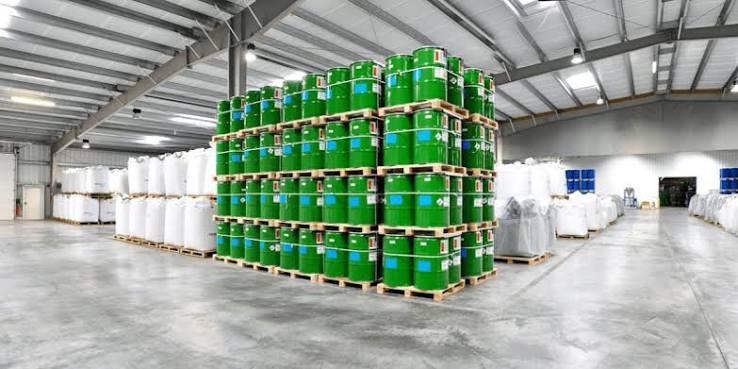
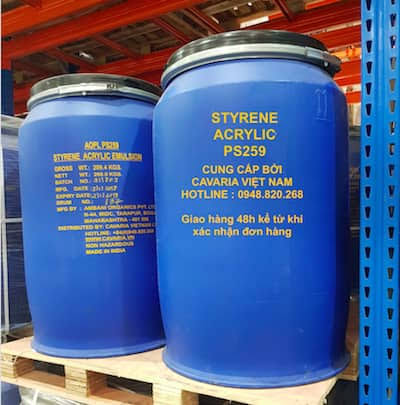
Bags, drums, containers, bulk systems
Storage Conditions
Cool, dry, and ventilated environment
Environmental Compliance
Available in low-VOC and eco-friendly formulations
Processing Compatibility
Suitable for manual and automated production systems
Paint chemicals improve the durability, appearance, and protective capabilities of paints and coatings.
2. Superior Surface Protection
Specialized chemicals provide resistance against corrosion, moisture, chemicals, ultraviolet radiation, and environmental degradation.
3. Improved Adhesion
Certain additives enhance the bonding strength between coatings and substrates, ensuring long-lasting performance.
4. Color Stability
Pigments and stabilizers help maintain consistent color and appearance throughout the coating’s service life.
5. Controlled Drying and Curing
Paint chemicals regulate drying times and curing processes for efficient application and optimal performance.
6. Viscosity Management
Rheology modifiers and thickeners help achieve proper flow characteristics and application consistency.
7. Environmental Adaptability
Modern paint chemicals are available in formulations designed to meet environmental and regulatory requirements.
8. Versatile Formulation Options
Manufacturers can customize paint systems to meet specific industry, performance, and application needs.
Types of Paint Chemicals
Resins and Binders
Resins form the film that binds paint components together and adheres the coating to the surface. Common examples include acrylic, epoxy, polyurethane, alkyd, and polyester resins.
Pigments
Pigments provide color, opacity, brightness, and additional protective properties to coatings.
Solvents
Solvents dissolve or disperse paint ingredients and assist in achieving the desired application viscosity.
Fillers and Extenders
These materials improve coating performance, reduce production costs, and enhance specific physical properties.
Dispersing Agents
Dispersants help maintain uniform pigment distribution and prevent settling during storage.
Defoamers
Defoamers reduce foam formation during manufacturing and application processes.
Rheology Modifiers
These additives control viscosity, flow, leveling, and application characteristics.
Curing Agents and Hardeners
Used primarily in reactive coating systems, curing agents facilitate chemical reactions that create durable protective films.
Biocides and Preservatives
These chemicals protect paint formulations from microbial contamination during storage and use.
Uses of Paint Chemicals
1. Architectural Paint Manufacturing
Paint chemicals are used in interior and exterior paints for residential, commercial, and institutional buildings.
2. Industrial Coatings Production
Industrial facilities utilize specialized paint chemicals to manufacture coatings for machinery, equipment, and structural components.
3. Automotive Finishes
Automotive coatings rely on advanced paint chemicals to provide durability, gloss, color consistency, and weather resistance.
4. Marine Coatings
Paint chemicals help produce protective coatings capable of withstanding harsh marine environments and saltwater exposure.
5. Protective Coating Systems
Heavy-duty coatings for infrastructure, pipelines, storage tanks, and industrial facilities depend on high-performance paint chemicals.
6. Wood Finishing Products
Paint chemicals are used in varnishes, stains, sealers, and wood protection systems.
7. Decorative Coatings
Specialty decorative finishes utilize paint chemicals to achieve unique textures, colors, and visual effects.
8. Packaging and Printing Applications
Various coating and ink systems use paint chemicals to improve adhesion, appearance, and performance.
Advantages of Paint Chemicals
Improved Durability
Paint chemicals enhance resistance to weathering, abrasion, corrosion, and environmental exposure.
Better Appearance
They contribute to color consistency, gloss retention, smooth finishes, and decorative effects.
Enhanced Protection
Coatings formulated with quality paint chemicals provide superior surface protection and longevity.
Manufacturing Efficiency
Advanced chemical formulations improve production consistency and processing efficiency.
Application Flexibility
Paint chemicals support various application methods, including brushing, rolling, spraying, and automated systems.
Regulatory Compliance
Modern formulations are available to meet environmental regulations and sustainability requirements.
Product Customization
Manufacturers can tailor coating systems to meet specific customer and industry requirements.
Storage and Handling
Proper storage and handling help maintain product quality and ensure safe operation.
Storage Guidelines
Store in original, properly labeled containers.
Maintain cool, dry, and well-ventilated storage conditions.
Protect products from moisture, excessive heat, and direct sunlight.
Use appropriate personal protective equipment when necessary.
Ensure adequate ventilation during handling and processing.
Avoid contamination with incompatible substances.
Follow applicable safety and regulatory guidelines.
Transportation
Transport using approved containers and packaging systems.
Protect materials from physical damage and environmental exposure.
Comply with applicable transportation regulations.
Market Demand and Industry Importance
The global paint and coatings industry continues to expand due to growth in construction, infrastructure development, automotive manufacturing, industrial production, and maintenance activities. As a result, demand for high-quality paint chemicals remains strong across numerous sectors.
Emerging technologies such as low-VOC coatings, water-based systems, nanotechnology-enhanced coatings, and environmentally sustainable formulations are driving innovation within the paint chemicals market. Manufacturers continue to invest in research and development to improve coating performance, reduce environmental impact, and meet evolving customer expectations.
Conclusion
Paint chemicals are fundamental components in the manufacture of paints, coatings, varnishes, primers, and specialty finishing products. They provide essential functions such as film formation, pigmentation, adhesion, viscosity control, preservation, curing, and protection. Their contribution to coating performance, durability, appearance, and application efficiency makes them indispensable in modern paint manufacturing.
Used across architectural, industrial, automotive, marine, and protective coating sectors, paint chemicals support the creation of high-quality products that safeguard surfaces and enhance visual appeal. With continuous innovation and increasing emphasis on sustainability, paint chemicals will remain vital to the future growth and advancement of the global coatings industry.