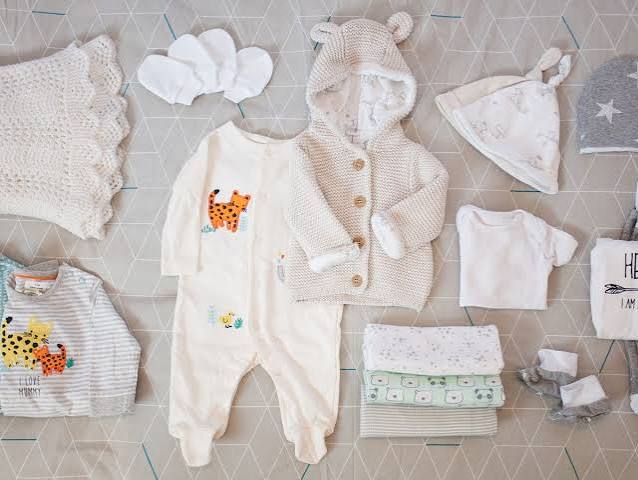
Baby clothing refers to specially designed garments made for infants and toddlers, typically from newborn stage up to around 24 months of age. These clothes are created with a strong focus on comfort, safety, softness, and ease of dressing, since babies have delicate skin and require frequent clothing changes.
Unlike adult clothing, baby clothing is designed with simplified fastenings, gentle seams, breathable fabrics, and flexible fits to support rapid growth and sensitive skin conditions. Common items include bodysuits, rompers, sleepers, bibs, socks, hats, and baby sets.
—
2. INTRODUCTION TO BABY CLOTHING
Baby clothing is an essential part of infant care and development. From the moment a baby is born, appropriate clothing helps regulate body temperature, protect sensitive skin, and ensure comfort throughout daily activities such as sleeping, feeding, and movement.
Over time, baby clothing has evolved significantly. Traditionally, baby garments were simple cotton wraps or hand-sewn outfits. Today, modern baby clothing combines textile technology, safety design, and fashion aesthetics to produce soft, durable, and practical clothing items.
In the modern textile industry, baby clothing is considered a specialized segment due to strict requirements for fabric safety, hypoallergenic materials, and ergonomic design. Parents and caregivers prioritize clothing that is breathable, non-irritating, easy to wash, and safe for constant use.
—
3. TABULATED SPECIFICATION OF BABY CLOTHING
| SPECIFICATION CATEGORY | DETAILS |
|————————|———|
| Product Type | Infant and toddler apparel |
| Age Range | Newborn to 24 months (approx.) |
| Fabric Types | 100% cotton, organic cotton, bamboo fiber, cotton blends |
| Fabric Texture | Ultra-soft, smooth, non-irritating |
| Fit Type | Loose, flexible, growth-friendly |
| Closure Types | Snap buttons, zippers, envelope neck, elastic bands |
| Safety Features | No sharp edges, non-toxic dyes, secure stitching |
| Breathability | Very high (to prevent overheating) |
| Moisture Absorption | High (to keep baby dry and comfortable) |
| Durability | Medium (frequent washing required) |
| Maintenance | Easy wash, quick drying preferred |
| Seasonal Variants | Summer, winter, all-season sets |
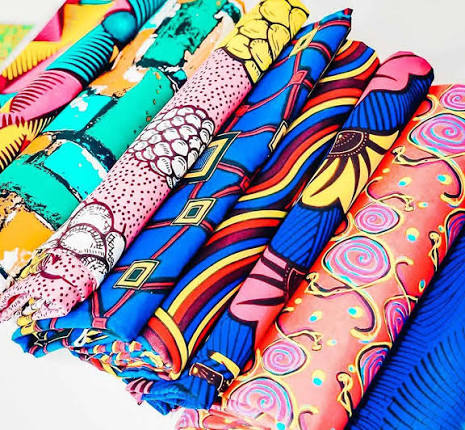
| Common Colors | Pastels, soft neutrals, light prints |
—
4. TYPES OF BABY CLOTHING
4.1 BODYSUITS (ONESIES)
Bodysuits are one-piece garments that snap at the bottom, making diaper changes easier. They are the most commonly used baby clothing item.
4.2 ROMPERS AND JUMPSUITS
Rompers are full-body outfits that cover both upper and lower body, providing comfort and ease of movement.
4.3 SLEEPERS AND PAJAMAS
Designed for sleep, these garments are soft, warm, and often feature footed designs for full-body coverage.
4.4 BABY SETS
Coordinated outfits that include tops, bottoms, and sometimes hats or socks.
4.5 OUTERWEAR
Includes jackets, sweaters, and hoodies for cold weather protection.
4.6 ACCESSORIES
Includes hats, mittens, socks, bibs, and swaddles used for protection and comfort.
—
5. MATERIALS USED IN BABY CLOTHING
– Cotton: Most widely used due to softness and breathability
– Organic cotton: Chemical-free and safer for sensitive skin
– Bamboo fiber: Naturally antibacterial and very soft
– Muslin: Lightweight and breathable, ideal for warm climates
– Fleece: Used for winter warmth
– Cotton blends: Improve durability while maintaining comfort
These materials are carefully selected to avoid irritation, overheating, or allergic reactions.
—
6. MANUFACTURING PROCESS OF BABY CLOTHING
1. Selection of safe, hypoallergenic raw materials
2. Fabric knitting or weaving using soft yarns
3. Pre-treatment and washing to remove chemical residues
4. Cutting into baby-friendly ergonomic patterns
5. Stitching with flat seams to avoid skin irritation
6. Addition of safe closures (snaps, soft zippers)
7. Quality control checks for safety and comfort
8. Packaging with hygiene standards
—
7. USES OF BABY CLOTHING
7.1 DAILY WEAR
Baby clothing is used for everyday comfort, movement, and protection.
7.2 SLEEP AND REST
Special sleepwear ensures warmth and comfort during rest periods.
7.3 OUTDOOR PROTECTION
Outerwear protects babies from cold weather, sun, and environmental exposure.
7.4 DIAPER MANAGEMENT
Designed openings and snaps make diaper changes quick and convenient.
7.5 SPECIAL OCCASIONS
Baby clothing also includes decorative outfits for events, photoshoots, and ceremonies.
—
8. ADVANTAGES OF BABY CLOTHING
– Extremely soft and gentle on skin
– Designed for comfort and safety
– Easy to wear and remove
– Breathable and temperature-regulating
– Wide variety of designs and sizes
– Supports healthy movement and growth
—
9. LIMITATIONS OF BABY CLOTHING
– Requires frequent washing due to soiling
– Babies outgrow sizes very quickly
– High-quality materials can be expensive
– Some fabrics may shrink after washing
– Needs careful selection to avoid irritation or allergies
—
10. CONCLUSION
Baby clothing is a highly specialized category of apparel designed to meet the unique needs of infants and toddlers. It prioritizes softness, safety, breathability, and ease of use, ensuring that babies remain comfortable and protected throughout their early development stages.
With advancements in textile engineering, baby clothing has become safer, more durable, and more comfortable than ever before. The use of organic and hypoallergenic materials has further improved product quality and reduced risks for sensitive skin.
Overall, baby clothing is an essential part of infant care, combining functionality, protection, and comfort while supporting healthy growth and development in the earliest stages of life.