Processed Breakfast Cereals – Nutritious Ready-to-Eat Grain Products for Modern Lifestyles
Introduction
Processed breakfast cereals are among the most widely consumed convenience food products in the world. Designed to provide quick, nutritious, and satisfying meals, breakfast cereals have become an essential part of modern diets for children, adults, athletes, and health-conscious consumers. These products are manufactured from carefully selected grains and processed using advanced food production techniques to create ready-to-eat or easy-to-prepare cereal foods suitable for daily consumption.
Breakfast cereals are typically produced from grains such as corn, wheat, oats, rice, barley, millet, sorghum, and other cereal ingredients. Through specialized processing methods including milling, cooking, flaking, puffing, extrusion, roasting, and fortification, these grains are transformed into highly palatable and shelf-stable food products with attractive texture, flavor, and nutritional value.
The growing demand for convenient and healthy meal options has significantly increased the popularity of processed breakfast cereals worldwide. Consumers appreciate breakfast cereals because they are easy to prepare, time-saving, versatile, and available in a wide range of flavors, textures, and nutritional formulations. Many cereal products are enriched with vitamins, minerals, fiber, and protein to support balanced nutrition and healthy lifestyles.
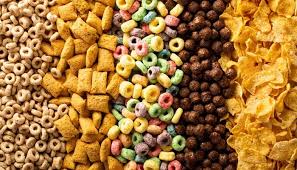
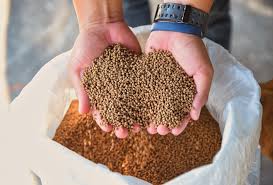
Processed breakfast cereals are commonly consumed with milk, yogurt, fruits, nuts, or beverages and are available in numerous forms including flakes, puffs, granules, clusters, rings, shredded cereals, and instant porridge mixes. They are suitable for breakfast meals, snacks, meal replacements, and fitness-oriented diets.
Nutritionally, breakfast cereals provide carbohydrates, proteins, dietary fiber, vitamins, minerals, and energy necessary for daily physical and mental activities. Fortified cereals often contain additional nutrients such as iron, calcium, vitamin D, folic acid, and B-complex vitamins that help support healthy growth, metabolism, and immune function.
The breakfast cereal industry continues to evolve with increasing focus on health-conscious formulations, gluten-free products, organic cereals, low-sugar options, high-protein blends, and functional foods. Manufacturers are developing innovative cereal products to meet changing consumer preferences and global nutritional trends.
Modern cereal production involves advanced food-processing technologies and strict quality control systems to ensure safety, consistency, hygiene, and nutritional integrity. Raw grains undergo cleaning, milling, blending, cooking, shaping, drying, flavoring, packaging, and quality inspection before reaching retail markets and consumers.
Processed breakfast cereals also contribute significantly to the global food industry and agricultural economy. They support grain farming, food manufacturing, packaging industries, retail trade, logistics, and international food exports. Today, breakfast cereals remain important food products that combine nutrition, convenience, and versatility for millions of consumers around the world.
Product Definition
Processed breakfast cereals are grain-based food products manufactured from cereals such as corn, wheat, oats, rice, barley, and other grains through cooking, milling, extrusion, flaking, puffing, or roasting processes. These products are designed for convenient human consumption as ready-to-eat or quick-preparation breakfast meals and snacks.
Breakfast cereals may be fortified with vitamins, minerals, proteins, fiber, and flavoring ingredients to improve nutritional value and consumer appeal.
Product Features
1. Convenient Ready-to-Eat Food
Breakfast cereals are easy to prepare and suitable for fast-paced lifestyles and busy households.
2. Nutrient-Enriched Formulation
Many cereals are fortified with essential vitamins and minerals that support balanced nutrition.
3. Wide Variety of Products
Processed cereals are available in different textures, flavors, shapes, and grain combinations.
4. Long Shelf Stability
Properly packaged cereals maintain freshness and quality for extended storage periods.
5. Energy-Rich Food Source
Breakfast cereals provide carbohydrates and nutrients necessary for daily energy and productivity.
6. Versatile Consumption Options
Cereals can be consumed with milk, yogurt, fruits, nuts, or beverages according to personal preference.
Common Types of Processed Breakfast Cereals
Corn Flakes
Corn flakes are crispy cereal flakes produced from processed corn kernels and widely consumed with milk.
Oat Cereals
Oat-based cereals are appreciated for their fiber content and heart-health benefits.
Wheat Cereals
Wheat cereals provide energy, fiber, and nutritional value suitable for breakfast meals.
Rice Cereals
Rice cereals are light, digestible, and suitable for children and specialized diets.
Granola and Muesli
These cereal blends combine grains, nuts, seeds, dried fruits, and sweeteners for enhanced nutrition and flavor.
Puff Cereals
Puffed cereals are lightweight expanded grain products commonly consumed as breakfast foods and snacks.
Tabulated Product Specifications
| Parameter |
Specification |
| Product Name |
Processed Breakfast Cereals |
| Product Type |
Ready-to-Eat Grain Food |
| Main Ingredients |
Corn, Wheat, Oats, Rice, Barley |
| Appearance |
Flakes / Puffs / Granules / Clusters |
| Color |
Natural Grain Color |
| Texture |
Crispy / Crunchy |
| Moisture Content |
Maximum 10% |
| Protein Content |
5% – 15% |
| Carbohydrate Content |
60% – 80% |
| Fiber Content |
2% – 12% |
| Fat Content |
1% – 10% |
| Shelf Life |
6 – 18 Months |
| Packaging |
Laminated Pouches / Cartons |
| Packaging Sizes |
250g, 500g, 1kg, Bulk Packs |
| Storage Condition |
Cool and Dry Place |
| Main Applications |
Breakfast and Snack Consumption |
| Quality Grade |
Premium Food Grade |
| Origin |
Processed Grain Products |
Nutritional Composition
Processed breakfast cereals contain essential nutrients important for healthy living and energy production.
Carbohydrates
Carbohydrates provide energy necessary for physical and mental performance throughout the day.
Protein
Protein supports body maintenance, growth, and muscle development.
Dietary Fiber
Fiber contributes to digestive health and helps maintain healthy metabolism.
Vitamins
Fortified breakfast cereals may contain vitamins such as:
- Vitamin A
- Vitamin D
- Vitamin B Complex
- Folic Acid
Minerals
Important minerals commonly found in cereals include:
- Iron
- Calcium
- Zinc
- Magnesium
- Phosphorus
Uses of Processed Breakfast Cereals
1. Breakfast Meals
Breakfast cereals are primarily consumed as convenient morning meals.
Common Serving Methods
- With milk
- With yogurt
- Mixed with fruits
- Combined with nuts and seeds
2. Snack Consumption
Many consumers enjoy breakfast cereals as light snacks throughout the day.
3. Fitness and Health Diets
High-fiber and high-protein cereals support balanced diets and fitness nutrition programs.
4. Children’s Nutrition
Fortified cereals help provide essential nutrients required for healthy child growth and development.
5. Institutional Food Services
Hotels, schools, hospitals, airlines, and catering services commonly serve breakfast cereals.
6. Emergency and Convenience Foods
Breakfast cereals provide shelf-stable and easily accessible food solutions during travel and emergency situations.
Production and Processing
The quality of breakfast cereals depends on proper grain selection and advanced food-processing methods.
Grain Selection
Premium grains are selected based on quality, nutritional value, and processing suitability.
Cleaning and Milling
The grains undergo cleaning and milling to remove impurities and prepare raw materials for processing.
Cooking and Conditioning
The grain mixtures are cooked and conditioned to improve texture and digestibility.
Extrusion and Shaping
Specialized equipment forms cereals into flakes, puffs, rings, clusters, or granules.
Drying and Roasting
The products are dried or roasted to achieve crispy texture and extended shelf stability.
Flavoring and Fortification
Manufacturers may add sweeteners, vitamins, minerals, fruits, or flavoring ingredients.
Packaging
The finished cereals are packaged hygienically to preserve freshness and quality.
Quality Assurance
Premium breakfast cereals undergo strict quality control procedures to ensure food safety, consistency, and nutritional integrity.
Quality assurance measures include:
- Selection of quality grains
- Hygienic manufacturing processes
- Moisture testing
- Nutritional analysis
- Contamination control
- Texture evaluation
- Packaging inspection
- Shelf-life monitoring
- Food safety compliance
These procedures help maintain product quality and consumer satisfaction.
Packaging and Storage
Processed breakfast cereals are packaged in moisture-resistant materials designed to preserve crispness and freshness.
Common packaging options include:
- Laminated pouches
- Carton boxes
- Resealable bags
- Bulk packaging containers
Recommended storage conditions include:
- Cool and dry environment
- Protection from moisture
- Avoidance of direct sunlight
- Proper ventilation
- Airtight storage after opening
Proper storage practices help maintain texture, flavor, and shelf life.
Advantages of Processed Breakfast Cereals
Convenience
Breakfast cereals provide quick and easy meal solutions for busy lifestyles.
Nutritional Support
Fortified cereals contribute essential vitamins, minerals, and dietary energy.
Long Shelf Life
The products remain stable during storage and transportation.
Broad Consumer Appeal
Breakfast cereals are suitable for children, adults, athletes, and health-conscious consumers.
Versatile Product Options
Manufacturers produce numerous cereal varieties to meet different dietary preferences and market trends.
Commercial Importance
Processed breakfast cereals represent major products within the global food manufacturing industry.
Reliable cereal manufacturers ensure:
- Consistent product quality
- Hygienic production standards
- Attractive packaging
- Nutritional compliance
- Competitive pricing
- Timely distribution
These factors contribute to strong market demand and customer loyalty.
Conclusion
Processed breakfast cereals remain essential food products in modern diets due to their convenience, nutritional value, versatility, and broad consumer appeal. Produced from carefully selected grains and processed using advanced manufacturing technologies, breakfast cereals provide quick, satisfying, and energy-rich meals suitable for all age groups.
Premium-quality breakfast cereals are carefully formulated, processed, and packaged to maintain freshness, nutritional integrity, and food safety standards. From corn flakes and oat cereals to granola and puffed grains, these products continue to support healthy lifestyles, convenient meal preparation, and global food consumption trends.
As demand for healthy, convenient, and fortified food products continues to grow worldwide, processed breakfast cereals remain valuable commodities supporting food industries, agricultural development, retail markets, and international trade across global markets.