Sportswear refers to a category of clothing designed specifically for physical activity, exercise, sports performance, and active lifestyles. Unlike regular clothing, sportswear is engineered to enhance movement, regulate body temperature, absorb sweat, and improve comfort during physical exertion.
Sportswear includes garments such as tracksuits, leggings, shorts, jerseys, sports bras, training tops, compression wear, and athletic footwear. These items are made using specialized fabrics that prioritize flexibility, breathability, and durability.
—
2. INTRODUCTION TO SPORTSWEAR
Sportswear has evolved significantly from simple cotton gym clothes to highly advanced performance-driven apparel. In earlier times, sports clothing was basic and focused mainly on comfort. However, with advancements in textile technology and sports science, modern sportswear now plays a critical role in enhancing athletic performance.
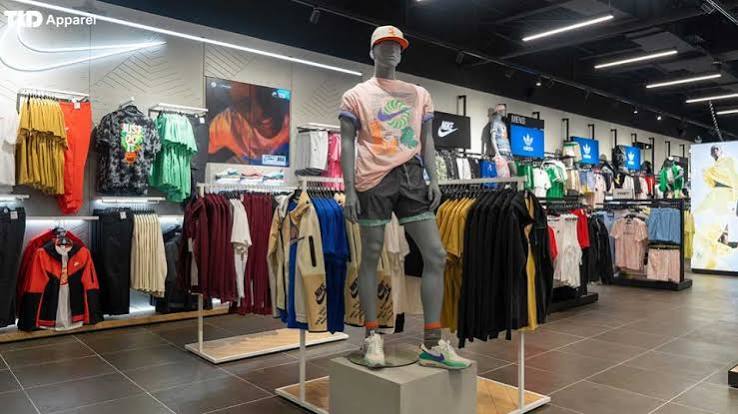
Today, sportswear is not only used by professional athletes but also by fitness enthusiasts and individuals who follow active lifestyles. It has also become a major part of everyday fashion through the rise of “athleisure,” where sports clothing is worn casually outside the gym or sports field.
The global sportswear industry continues to grow due to increased awareness of fitness, health, and wellness, as well as the integration of fashion and performance wear.
—
3. TABULATED SPECIFICATION OF SPORTSWEAR
| SPECIFICATION CATEGORY | DETAILS |
|————————|———|
| Product Type | Performance-based athletic clothing |
| Primary Purpose | Sports, fitness, and physical activity |
| Fabric Types | Polyester, nylon, spandex, elastane, blends |
| Weave Type | Knit, stretch knit, mesh, compression fabrics |
| Breathability | High (designed for airflow and cooling) |
| Moisture Management | Excellent (sweat-wicking and quick-drying) |
| Stretchability | High (supports body movement) |
| Durability | High under repeated physical use |
| Weight | Lightweight |
| Fit Types | Compression, slim fit, regular athletic fit |
| Maintenance | Easy wash, quick drying |
| Temperature Control | Regulates heat during activity |
| Common Use Environments | Gyms, sports fields, outdoor training |
—
4. TYPES OF SPORTSWEAR
4.1 TRAINING WEAR
Training wear includes T-shirts, shorts, leggings, and tops designed for gym workouts and general fitness exercises.
4.2 RUNNING WEAR
Running apparel focuses on lightweight, breathable, and sweat-resistant fabrics to improve comfort during long-distance running.
4.3 TEAM SPORTS UNIFORMS
Used in sports like football, basketball, and cricket, these include jerseys, shorts, and socks designed for team identity and performance.
4.4 COMPRESSION WEAR
Compression garments are tight-fitting clothing designed to support muscles, improve blood circulation, and reduce fatigue.
4.5 ATHLEISURE WEAR
Athleisure combines sportswear with casual fashion, allowing athletic clothing to be worn in everyday settings.
4.6 OUTDOOR SPORTSWEAR
Designed for hiking, trekking, and outdoor activities, this includes weather-resistant jackets and flexible pants.
—
5. MATERIALS USED IN SPORTSWEAR
– Polyester: lightweight, durable, and moisture-wicking
– Nylon: strong and abrasion-resistant
– Spandex (Elastane): provides stretch and flexibility
– Microfiber fabrics: soft and quick-drying
– Mesh fabrics: improve ventilation and airflow
– Blended fabrics: combine comfort, stretch, and durability
Some advanced sportswear may also include smart textiles that monitor body temperature and performance.
—
6. MANUFACTURING PROCESS OF SPORTSWEAR
1. Selection of high-performance fibers
2. Yarn spinning and fabric knitting
3. Fabric treatment for moisture control
4. Cutting based on ergonomic patterns
5. Stitching with stretch-compatible seams
6. Addition of elastic bands, zippers, or mesh panels
7. Quality testing for flexibility and durability
8. Final finishing and packaging
—
7. FUNCTIONS OF SPORTSWEAR
7.1 ENHANCING PERFORMANCE
Sportswear improves athletic performance by reducing body strain and allowing efficient movement.
7.2 MOISTURE CONTROL
It absorbs sweat and allows it to evaporate quickly, keeping the body dry.
7.3 BODY SUPPORT
Compression garments support muscles and reduce injury risk.
7.4 TEMPERATURE REGULATION
Sportswear helps cool the body during exercise and retain warmth in cold conditions.
7.5 COMFORT AND FLEXIBILITY
It allows free movement during physical activities.
—
8. ADVANTAGES OF SPORTSWEAR
– Lightweight and comfortable
– Improves physical performance
– Quick-drying and moisture-wicking
– Flexible and stretchable
– Durable under intense activity
– Suitable for both sports and casual wear
—
9. LIMITATIONS OF SPORTSWEAR
– Can be expensive for high-performance brands
– Synthetic fabrics may retain odor if not washed properly
– Less formal and not suitable for professional settings
– Some materials may cause skin sensitivity
– Quality varies widely between brands
—
10. CONCLUSION
Sportswear is a highly specialized category of clothing designed to support physical activity, enhance performance, and improve comfort. It combines textile innovation with sports science to create garments that respond to the needs of the human body during movement.
With the rise of fitness culture and athleisure fashion, sportswear has become both a performance necessity and a lifestyle trend. Continuous advancements in fabric technology, including moisture control and smart textiles, are shaping the future of sportswear into more efficient, comfortable, and intelligent clothing systems.
Overall, sportswear plays a vital role in modern life by supporting health, fitness, and active living while also influencing global fashion trends.