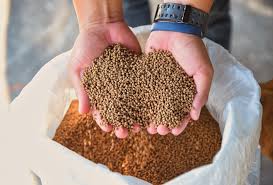
Bean Flour – Premium Protein-Rich Flour for Food Processing, Nutrition, and Industrial Applications
Introduction
Bean Flour is a highly nutritious flour product produced from dried edible beans that are cleaned, processed, and milled into fine powder form. Widely valued for its rich protein content, dietary fiber, versatility, and health benefits, bean flour has become an increasingly important ingredient in modern food processing, bakery production, nutritional products, and gluten-free food formulations. As consumer demand for plant-based nutrition and functional foods continues to grow, bean flour remains a valuable agricultural and industrial food commodity worldwide.
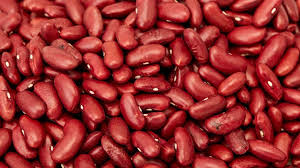
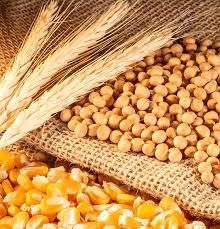
Bean flour can be produced from various edible beans including black beans, kidney beans, chickpeas, cowpeas, navy beans, mung beans, soybeans, and other legumes depending on nutritional requirements and processing applications. The flour retains much of the nutritional value naturally found in whole beans, making it an excellent ingredient for enhancing protein content and dietary quality in numerous food products.
One of the major advantages of bean flour is its exceptional nutritional profile. It contains substantial amounts of plant-based protein, complex carbohydrates, dietary fiber, vitamins, minerals, and beneficial plant compounds. Compared to many conventional cereal flours, bean flour generally offers higher protein and fiber levels, making it highly attractive for health-conscious consumers, athletes, vegetarians, vegans, and individuals seeking balanced diets.
Bean flour also plays a significant role in gluten-free food production. Since most beans are naturally gluten-free, bean flour serves as an excellent alternative ingredient for individuals with gluten intolerance, celiac disease, or consumers following specialized dietary lifestyles. It is commonly used in gluten-free bakery products, pasta, snacks, protein blends, and fortified foods.
The versatility of bean flour contributes significantly to its global popularity. It can be used in bakery applications, thickening agents, soup preparation, baby foods, instant meals, protein supplements, confectioneries, and snack manufacturing. Its mild flavor and functional properties allow it to blend effectively with cereal flours and other ingredients in both traditional and industrial food formulations.
Modern bean flour production involves careful bean selection, cleaning, drying, dehulling when necessary, grinding, sieving, and hygienic packaging to ensure premium product quality and food safety. Strict quality control systems help maintain nutritional integrity, purity, texture consistency, and long shelf stability.
In addition to human nutrition, bean flour supports sustainable agriculture and food security. Beans are environmentally beneficial crops that improve soil fertility through nitrogen fixation while providing affordable plant-based nutrition for growing populations worldwide.
Today, bean flour remains an essential ingredient in food manufacturing, nutritional products, gluten-free formulations, and plant-based food industries. Its affordability, versatility, and nutritional richness continue to increase its demand in domestic and international markets.
Product Definition
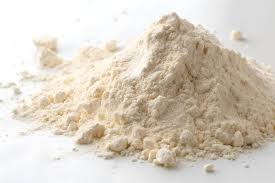
Bean flour is a finely milled powder produced from dried edible beans processed through cleaning, drying, grinding, and sieving procedures. It is a nutrient-rich flour ingredient widely used in food production, bakery products, nutritional formulations, and gluten-free applications due to its high protein and fiber content.
Bean flour may be supplied in natural, roasted, fortified, or blended forms depending on industrial applications and consumer requirements.
Product Features
1. High Plant-Based Protein Content
Bean flour contains substantial protein levels important for balanced nutrition and muscle maintenance.
2. Rich Dietary Fiber Source
The flour supports healthy digestion and improved metabolism through its high fiber composition.
3. Gluten-Free Ingredient
Most bean flours are naturally gluten-free and suitable for specialized diets.
4. Nutrient-Dense Composition
Bean flour contains vitamins, minerals, complex carbohydrates, and antioxidants beneficial for healthy living.
5. Versatile Food Applications
The flour is suitable for bakery products, snacks, soups, pasta, protein blends, and processed foods.
6. Long Shelf Stability
Properly processed and packaged bean flour maintains freshness and quality during storage.
Tabulated Product Specifications
| Parameter |
Specification |
| Product Name |
Bean Flour |
| Product Type |
Processed Legume Flour |
| Raw Material |
Edible Beans |
| Color |
Cream / Brown / Light Beige |
| Texture |
Fine Powder |
| Moisture Content |
Maximum 12% |
| Purity |
98% Minimum |
| Protein Content |
18% – 35% |
| Carbohydrate Content |
45% – 65% |
| Fiber Content |
8% – 18% |
| Fat Content |
1% – 8% |
| Gluten Content |
Naturally Gluten-Free |
| Shelf Life |
12 – 24 Months |
| Packaging |
Laminated Bags / PP Bags |
| Packaging Sizes |
500g, 1kg, 5kg, 25kg |
| Storage Condition |
Cool and Dry Place |
| Main Applications |
Food Processing and Baking |
| Quality Grade |
Premium Food Grade |
| Origin |
Processed Agricultural Product |
Nutritional Composition
Bean flour provides essential nutrients necessary for balanced nutrition and healthy body function.
Protein
Bean flour is rich in plant-based proteins important for muscle development and tissue repair.
Complex Carbohydrates
The flour provides carbohydrates that support energy production and daily activities.
Dietary Fiber
High fiber content contributes to digestive health and improved nutrient absorption.
Vitamins
Bean flour contains vitamins such as:
- Vitamin B Complex
- Folate
- Niacin
Minerals
Important minerals naturally present in bean flour include:
- Iron
- Magnesium
- Potassium
- Calcium
- Zinc
- Phosphorus
Antioxidants
Bean flour contains beneficial plant compounds that support overall wellness and healthy metabolism.
Uses of Bean Flour
1. Bakery Industry
Bean flour is widely used in bakery applications to improve protein and fiber content.
Bakery Applications
- Bread
- Cakes
- Cookies
- Biscuits
- Muffins
- Pancakes
It can be blended with wheat flour or used in gluten-free formulations.
2. Gluten-Free Food Production
Bean flour serves as an important ingredient in gluten-free diets and specialty food manufacturing.
Gluten-Free Products
- Gluten-free bread
- Pasta
- Snack foods
- Flour blends
3. Food Processing Industry
Bean flour is used in processed foods and convenience meal products.
Processed Applications
- Instant soups
- Protein blends
- Thickening agents
- Baby foods
- Nutritional supplements
4. Plant-Based Nutrition Products
Bean flour supports vegetarian and vegan food production.
Health Applications
- Protein shakes
- Meat alternatives
- High-protein snacks
- Sports nutrition products
5. Traditional and Household Cooking
Bean flour is used in various traditional dishes and homemade recipes worldwide.
Production and Processing
The quality of bean flour depends on proper raw material selection and hygienic processing methods.
Bean Selection
High-quality edible beans are selected based on purity, maturity, and nutritional value.
Cleaning
The beans undergo cleaning procedures to remove dust, stones, damaged seeds, and impurities.
Drying
Moisture reduction improves storage stability and milling efficiency.
Dehulling
Some bean varieties may undergo dehulling to improve texture and color.
Grinding and Milling
The beans are milled into fine flour using specialized grinding equipment.
Sieving
The flour is sieved to achieve uniform texture and particle consistency.
Packaging
Processed bean flour is packaged hygienically to preserve freshness and quality.
Quality Assurance
Premium bean flour undergoes strict quality control procedures to ensure purity, consistency, and food safety.
Quality assurance measures include:
- Selection of quality beans
- Hygienic processing practices
- Moisture testing
- Nutritional analysis
- Impurity removal
- Particle size control
- Packaging inspection
- Storage monitoring
- Food safety compliance verification
These procedures help maintain superior product quality and customer satisfaction.
Packaging and Storage
Bean flour is packaged using moisture-resistant materials designed to preserve freshness and prevent contamination.
Common packaging options include:
- Laminated pouches
- Polypropylene bags
- Paper sacks
- Bulk packaging containers
Recommended storage conditions include:
- Cool and dry environment
- Proper ventilation
- Protection from moisture
- Low humidity
- Pest-free storage areas
- Airtight sealing after opening
Proper storage practices help preserve texture, flavor, nutritional value, and shelf life.
Advantages of Bean Flour
High Nutritional Value
Bean flour provides proteins, fiber, vitamins, and minerals essential for healthy diets.
Gluten-Free Alternative
It serves as an excellent flour substitute for gluten-sensitive consumers.
Broad Industrial Applications
Bean flour supports bakery production, food processing, nutritional products, and snack manufacturing.
Affordable Plant Protein Source
It provides economical protein alternatives for households and food industries.
Growing Market Demand
Increasing demand for plant-based and functional foods continues to strengthen bean flour markets worldwide.
Commercial Importance
Bean flour is an increasingly valuable ingredient in global food manufacturing and nutritional industries.
Reliable suppliers ensure:
- Consistent flour quality
- Hygienic processing standards
- Competitive pricing
- Timely delivery
- Secure packaging
- Bulk supply capability
These factors contribute to strong customer confidence and successful long-term trade relationships.
Conclusion
Bean flour remains one of the most valuable processed legume products in global food systems due to its rich nutritional profile, versatility, affordability, and importance in healthy and gluten-free diets. Its high protein content, dietary fiber, and broad industrial applications make it essential for food manufacturing, bakery production, nutritional products, and plant-based food industries.
Premium-quality bean flour is carefully processed and packaged to maintain purity, freshness, texture consistency, and nutritional integrity. From bakery products and soups to protein-rich snacks and gluten-free foods, bean flour continues to support healthy nutrition, food security, agricultural development, and sustainable food systems worldwide.
As global demand for nutritious plant-based ingredients and functional foods continues to rise, bean flour remains a trusted commodity for food manufacturers, wholesalers, exporters, retailers, and consumers across international markets.