Kidney Beans – Premium Protein-Rich Legume for Nutrition, Food Processing, and Sustainable Agriculture
Introduction
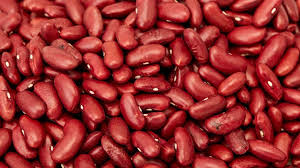
Kidney Beans are among the most popular and widely consumed pulse crops in the world, valued for their rich nutritional profile, versatility, affordability, and importance in healthy diets and global food systems. Recognized for their distinctive kidney-like shape and vibrant red, white, or speckled appearance, kidney beans are staple foods in many traditional and modern cuisines across Africa, Asia, the Americas, Europe, and the Middle East.
Scientifically known as Phaseolus vulgaris, kidney beans belong to the legume family Fabaceae and are cultivated extensively for human consumption, food processing, and agricultural purposes. They are highly appreciated because of their high protein content, dietary fiber, complex carbohydrates, vitamins, minerals, and antioxidant compounds. Their balanced nutritional composition makes them essential foods for households, restaurants, food manufacturers, and health-conscious consumers worldwide.
Kidney beans play an important role in balanced nutrition due to their ability to provide plant-based protein and sustained energy while remaining naturally low in fat and cholesterol-free. They are especially valued in vegetarian and vegan diets as affordable alternatives to animal-based protein sources. Their high fiber content also contributes to digestive health, blood sugar regulation, and heart wellness.
The versatility of kidney beans contributes significantly to their global demand. They are widely used in soups, stews, chili dishes, curries, salads, rice meals, casseroles, snacks, and processed food products. Their firm texture and ability to absorb flavors make them suitable for a wide range of culinary applications in both home cooking and commercial food production.
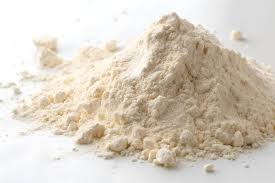
Kidney beans are also increasingly utilized in food processing industries for flour production, canned foods, protein-rich snacks, gluten-free products, and plant-based meal formulations. The growing popularity of healthy eating and plant-based nutrition has further strengthened global demand for kidney bean products.
In agriculture, kidney beans support environmentally sustainable farming systems through biological nitrogen fixation. As legumes, they improve soil fertility, reduce fertilizer requirements, and contribute to crop rotation practices that enhance long-term agricultural productivity.
Modern kidney bean production involves advanced farming techniques, careful harvesting, drying, cleaning, grading, and hygienic packaging to maintain premium product quality and long shelf life. Strict quality assurance procedures help ensure food safety, purity, and compliance with domestic and international trade standards.
Today, kidney beans remain important agricultural commodities supporting food security, nutrition, sustainable agriculture, and global food trade. Their affordability, nutritional richness, and broad applications continue to increase their value in international markets.
Product Definition
Kidney beans are edible pulse seeds obtained from specific varieties of the common bean plant (Phaseolus vulgaris), cultivated primarily for human consumption, food processing, and agricultural applications. They are nutrient-rich legumes known for their high protein content, dietary fiber, versatility, and importance in healthy diets and sustainable farming systems.
Kidney beans may be supplied in whole dried form, canned products, flour, processed ingredients, or ready-to-cook forms depending on consumer demand and industrial applications.
Product Features
1. High Plant-Based Protein Content
Kidney beans provide essential protein necessary for muscle development and body maintenance.
2. Rich Dietary Fiber Source
The beans contain high levels of fiber that support digestion and healthy metabolism.
3. Nutrient-Dense Composition
Kidney beans contain carbohydrates, vitamins, minerals, and antioxidants important for balanced nutrition.
4. Low Fat and Cholesterol-Free
They are naturally low in fat and suitable for heart-healthy diets.
5. Versatile Culinary Applications
Kidney beans are widely used in soups, stews, salads, snacks, and processed foods.
6. Sustainable Agricultural Benefits
The crop improves soil fertility through nitrogen fixation and supports sustainable farming systems.
Tabulated Product Specifications
Parameter
Specification
Product Name
Kidney Beans
Scientific Name
Phaseolus vulgaris
Product Type
Edible Pulse / Legume
Seed Color
Red / Dark Red / White / Speckled
Shape
Kidney-Shaped
Moisture Content
Maximum 13%
Purity
98% Minimum
Protein Content
20% – 25%
Carbohydrate Content
55% – 65%
Fiber Content
10% – 16%
Fat Content
1% – 3%
Foreign Matter
1% Maximum
Damaged Seeds
2% Maximum
Shelf Life
12 – 24 Months
Packaging
PP Bags / Jute Bags / Bulk
Packaging Sizes
1kg, 5kg, 25kg, 50kg
Storage Condition
Cool and Dry Place
Main Applications
Food, Processing, Feed
Quality Grade
Premium Export Grade
Origin
Farm Cultivated
Nutritional Composition
Kidney beans provide essential nutrients necessary for healthy body function and balanced diets.
Protein
Kidney beans are excellent sources of plant-based protein important for body growth and tissue repair.
Carbohydrates
The beans contain complex carbohydrates that provide long-lasting energy.
Dietary Fiber
High fiber content supports digestive health, cholesterol management, and improved metabolism.
Vitamins
Kidney beans contain vitamins such as:
Vitamin B Complex
Folate
Vitamin B1 (Thiamine)
Minerals
Important minerals naturally present in kidney beans include:
Iron
Magnesium
Potassium
Zinc
Calcium
Phosphorus
Antioxidants
Kidney beans contain antioxidant compounds that help protect body cells from oxidative stress.
Uses of Kidney Beans
1. Human Consumption
Kidney beans are widely consumed in traditional and modern cuisines worldwide.
Common Food Products
Chili dishes
Soups
Stews
Rice meals
Curries
Salads
Vegetarian meals
Bean snacks
Casseroles
Their firm texture and rich flavor make them highly versatile in cooking.
2. Food Processing Industry
Kidney beans are processed into flour, canned foods, snacks, and protein-rich food products.
Processed Applications
Gluten-free flour blends
Protein-enriched foods
Instant meals
Frozen food products
Plant-based food products
3. Health and Nutrition Products
Kidney beans are commonly included in health-conscious diets because of their nutritional value.
Health Applications
Weight management diets
High-fiber meal plans
Vegetarian nutrition
Heart-healthy foods
4. Livestock Feed
Kidney bean by-products and residues may be used in livestock feeding systems.
5. Sustainable Agriculture
Kidney beans improve soil fertility and support environmentally sustainable farming practices.
Cultivation and Processing
The quality of kidney beans depends on proper cultivation methods and careful post-harvest handling.
Land Preparation
Farmers prepare fertile and well-drained soils suitable for healthy kidney bean cultivation.
Planting
Quality seeds are planted under favorable climatic conditions for proper crop growth.
Crop Management
Proper weed control, irrigation, and pest management improve yield and grain quality.
Harvesting
Kidney beans are harvested when pods reach maturity to ensure premium seed quality.
Drying
The harvested beans are dried carefully to reduce moisture and improve storage stability.
Cleaning and Grading
The seeds undergo cleaning, sorting, grading, and impurity removal procedures.
Packaging
Processed kidney beans are packaged hygienically to preserve freshness and product quality.
Quality Assurance
Premium kidney beans undergo strict quality control procedures to ensure purity, consistency, and food safety.
Quality assurance measures include:
Selection of quality seed varieties
Controlled farming practices
Moisture testing
Nutritional analysis
Impurity removal
Contamination control
Packaging inspection
Storage monitoring
Export compliance verification
These procedures help maintain superior product standards and customer satisfaction.
Packaging and Storage
Kidney beans are packaged using durable moisture-resistant materials designed to protect product quality during transportation and storage.
Common packaging options include:
Polypropylene bags
Jute sacks
Laminated pouches
Bulk containers
Recommended storage conditions include:
Cool and dry environment
Proper ventilation
Low humidity
Protection from pests
Elevated pallet storage
Avoidance of moisture exposure
Proper storage practices help preserve freshness and shelf stability.
Advantages of Kidney Beans
Excellent Nutritional Value
Kidney beans provide proteins, fiber, vitamins, minerals, and antioxidants essential for balanced diets.
Affordable Protein Source
They serve as economical alternatives to animal protein.
Broad Culinary Applications
Kidney beans support traditional cooking, processed foods, and modern health products.
Sustainable Farming Benefits
They improve soil fertility and support environmentally friendly agricultural systems.
Growing Global Demand
Increasing demand for healthy and plant-based foods continues to strengthen kidney bean markets worldwide.
Export Importance
Kidney beans are internationally traded agricultural commodities with strong demand in food manufacturing and retail sectors.
Export-quality kidney beans must comply with international standards regarding:
Moisture content
Seed purity
Packaging quality
Food safety regulations
Contamination limits
Uniform grain size
Reliable suppliers ensure:
Consistent grain quality
Hygienic processing
Competitive pricing
Timely delivery
Bulk supply capability
Secure packaging
These factors contribute to strong customer trust and successful long-term trade partnerships.
Conclusion
Kidney beans remain one of the most valuable pulse crops in global agriculture due to their nutritional richness, versatility, affordability, and contribution to sustainable food systems. Their high protein content, dietary fiber, and essential nutrients make them vital for healthy diets, food processing industries, and plant-based nutrition trends.
Premium-quality kidney beans are carefully cultivated, processed, and packaged to maintain purity, freshness, and nutritional integrity. From soups and chili dishes to protein-rich snacks and gluten-free products, kidney beans continue to support food security, agricultural development, nutritional wellness, and economic growth worldwide.
As global demand for nutritious legumes, sustainable crops, and plant-based protein sources continues to increase, kidney beans remain trusted agricultural commodities for farmers, exporters, wholesalers, food manufacturers, and consumers across international markets.