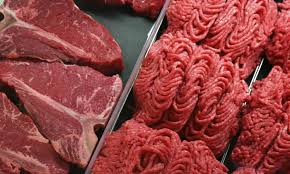
Beef cuts refer to the different portions of meat obtained from slaughtered cattle, divided according to anatomical structure, muscle composition, tenderness, and culinary use. These cuts vary widely in texture, flavor, fat content, and cooking methods, making them suitable for a broad range of dishes from everyday meals to premium gourmet cuisine.
Beef cuts are an essential product in the global meat industry, supplying households, restaurants, butcheries, supermarkets, and food processing companies. Their value depends on factors such as cut type, marbling (fat distribution), animal breed, age, and processing standards.
Because beef can be prepared in many ways—grilling, roasting, stewing, frying, or smoking—different cuts are specifically selected to match cooking techniques and desired flavor outcomes.
Definition of Beef Cuts
Beef cuts are specific sections of meat derived from different parts of a cattle carcass after slaughtering and processing. Each cut has unique characteristics based on muscle usage, fat content, and connective tissue.
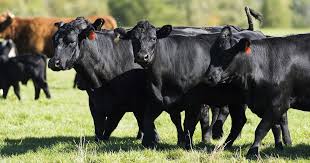
They are obtained from domesticated cattle scientifically known as:
Bos taurus
Beef cuts are generally classified into primal cuts, sub-primal cuts, and retail cuts for commercial distribution.
Classification of Beef Cuts
1. Primal Cuts
These are the large initial sections of the carcass:
Chuck (shoulder area)
Rib
Loin
Round
Brisket
Flank
Shank
2. Sub-Primal Cuts
Smaller sections derived from primal cuts for wholesale distribution.
3. Retail Cuts
Final consumer-ready portions sold in supermarkets and butcher shops.
Popular Beef Cuts and Their Characteristics
1. Chuck
Located in the shoulder area
Rich flavor with moderate fat
Best for slow cooking, stews, and ground beef
2. Rib
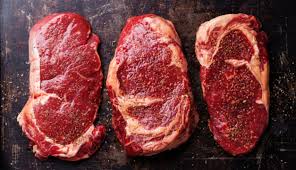
High marbling and tenderness
Used for ribeye steaks and roasting
Very flavorful cut
3. Loin
One of the most tender sections
Produces premium cuts like T-bone, sirloin, and tenderloin
Ideal for grilling and pan-searing
4. Round
Lean cut from the hind leg
Less tender but economical
Suitable for roasting and slow cooking
5. Brisket
Located in the chest area
Tough but flavorful
Best for smoking and slow cooking
6. Flank
Lean and fibrous
Used for stir-frying, grilling, and fajitas
7. Shank
Tough muscle with high connective tissue
Ideal for soups and long simmering dishes
Botanical Source (Animal Origin)
Beef cuts originate from cattle:
Bos taurus
This species is widely raised for meat production due to its high muscle yield and adaptability to various climates.
Processing of Beef Cuts
Beef cutting and processing involves several stages:
1. Slaughtering and Dressing
The animal is processed under hygienic conditions and the carcass is prepared.
2. Carcass Splitting
The carcass is divided into halves and quarters for easier handling.
3. Primal Cutting
Large sections (primal cuts) are separated based on anatomical structure.
4. Deboning and Trimming
Bones, excess fat, and connective tissues are removed or adjusted.
5. Portioning
Cuts are further divided into retail or culinary portions.
6. Packaging
Meat is vacuum-sealed or wrapped for freshness and distribution.
7. Cold Storage
Beef is stored chilled or frozen depending on market requirements.
Physical and Quality Characteristics
High-quality beef cuts are identified by:
Bright red to deep red color (fresh beef)
Fine marbling (fat distribution within muscle)
Firm texture
Fresh, clean odor
Minimal connective tissue in premium cuts
Proper trimming and uniform portioning
Tabulated Specification of Beef Cuts
Specification
Details
Product Name
Beef Cuts
Scientific Source
Bos taurus
Product Type
Processed meat cuts
Main Categories
Primal, sub-primal, retail cuts
Color
Bright red to deep red
Texture
Varies (tender to tough depending on cut)
Fat Content
Lean to highly marbled
Shelf Life
3–10 days (fresh), 6–12 months (frozen)
Storage Conditions
Refrigerated or frozen (-18°C for long storage)
Packaging
Vacuum packs, trays, butcher wrap
Cooking Methods
Grilling, roasting, stewing, frying, smoking
Traceability
Farm and slaughterhouse tracking
Uses of Beef Cuts
Beef cuts are widely used across global food systems:
1. Household Cooking
Prepared in everyday meals such as:
Stews
Roasts
Curries
Grilled beef dishes
2. Restaurants and Hotels
Used in premium dishes such as:
Steaks (ribeye, sirloin, tenderloin)
Gourmet roasts
Braised dishes
3. Fast Food and Casual Dining
Used in:
Burgers
Sandwich fillings
Shredded beef meals
4. Food Processing Industry
Used in:
Canned beef products
Frozen meals
Sausages and minced beef products
5. Export Trade
Premium beef cuts are major global export commodities.
Nutritional Value of Beef Cuts
Beef cuts provide essential nutrients such as:
High-quality animal protein
Iron (heme iron for blood health)
Zinc (immune system support)
Vitamin B12 (nervous system health)
Healthy fats (depending on cut)
Lean cuts are preferred for low-fat diets, while marbled cuts offer richer flavor.
Health Benefits
When consumed in moderation, beef cuts offer:
1. Muscle Growth and Repair
Rich in complete proteins.
2. Energy Production
Provides iron and B vitamins for metabolism.
3. Immune Support
Zinc and nutrients support immunity.
4. Brain Function
Vitamin B12 supports neurological health.
Economic Importance
Beef cuts contribute significantly to global agriculture:
High-value meat product in global markets
Supports cattle farming industries
Creates employment in slaughtering, processing, and retail
Major export commodity for many countries
Adds value through meat processing industries
Environmental Considerations
Beef production has both benefits and challenges:
Utilizes grazing lands and agricultural by-products
Beef cuts are a fundamental product of the global meat industry, offering a wide variety of textures, flavors, and culinary applications. Derived from domesticated cattle such as Bos taurus, they are processed into structured cuts that meet the needs of households, restaurants, and industrial food systems.
From premium steaks to economical stew cuts, beef cuts provide versatility, nutrition, and economic value across global markets. Their role in food security, trade, and culinary culture makes them one of the most important meat products worldwide.
In essence, beef cuts are not just portions of meat—they are a structured and highly valuable food system that connects livestock farming, global trade, and everyday nutrition.