
Fast delivery within 72 Hours

Processed beef
Contact Supplier
Supplier: brownelephant908Phone: +877542565
Email: sepeye8603@fisedo.com
Address: 1165 Avenue Vauban
Visit Supplier Store

Black Friday Blowout!
Description
Introduction
The global meat industry has undergone a massive transformation over the last century, evolving from localized butcheries to highly sophisticated, global supply chains. At the center of this evolution is processed beef—a culinary and industrial powerhouse that bridges the gap between raw agricultural yield and modern consumer demands.
In an era characterized by fast-paced lifestyles, expanding urban populations, and a heightened focus on food safety, fresh raw beef often presents logistical hurdles. It spoils quickly, requires immediate refrigeration, demands significant preparation time, and suffers from high volumetric inconsistency. Processed beef solves these pain points. By applying precise physical, thermal, or biochemical alterations, processors turn highly perishable muscle tissue into shelf-stable, uniform, and deeply flavorful culinary assets.
This product line represents far more than a convenience food. It is an optimized matrix of protein, essential minerals, and lipids engineered to withstand the rigors of modern distribution while satisfying the sensory expectations of diverse consumer bases. From the high-sodium snap of a premium cured sausage to the delicate, savory depth of air-dried bresaola, processed beef is an indispensable staple in household kitchens, quick-service restaurants, and industrial food manufacturing alike.
Defining Processed Beef
To truly understand this product, we have to look past the grocery store shelf and define it through both a culinary and regulatory lens. Scientifically and commercially, processed beef refers to any beef product that has undergone significant modifications beyond simple anatomical cutting, deboning, or mechanical grinding.
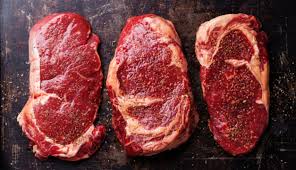
If a primal cut of beef is sliced into steaks, it remains fresh meat. However, if that same meat is subjected to curing, salting, fermentation, smoking, chemical preservation, mechanical tenderization with additives, or intensive thermal cooking, it crosses the threshold into processed beef.
The primary objectives of processing beef are threefold:
-
Shelf-Life Extension: Inhibiting microbial growth and lipid oxidation to allow safe transport and storage.
-
Value Addition & Flavor Enhancement: Utilizing marinades, spices, and smoking techniques to transform tougher, underutilized lean cuts into premium, high-margin items.
-
Textural and Functional Uniformity: Binding, emulsifying, or shaping meat to ensure identical portion weights, cooking behaviors, and structural properties across millions of units.
Processed beef exists across a spectrum of transformation. It is generally categorized into three distinct tiers:
-
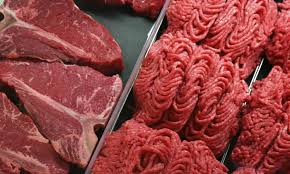
Minimally Processed / Formed Beef: Products like unseasoned frozen burger patties or mechanically tenderized steaks. The cellular structure is altered or rearranged, but no curing agents or heavy thermal treatments are applied.
-
Cured and Preserved (Non-Heat-Treated): Products that rely on chemical and environmental manipulation for stability. Examples include jerky, bresaola, and traditional salami, where salt, nitrates, and dehydration drive preservation.
-
Fully Cooked / Thermalized Emulsions: Highly engineered products such as frankfurters, bologna, roast beef deli cuts, and canned corned beef. These involve intensive grinding, protein extraction, moisture binding, and structural setting via heat.
Technical Specifications
For industrial buyers, culinary developers, and quality assurance teams, processed beef must adhere to strict, measurable baselines. The table below outlines the standard technical, chemical, and microbiological specifications for a premium industrial batch of fully cooked, cured processed beef (Deli/Roast Beef classification).
| Specification Parameter | Targeted Standard Baseline | Testing / Compliance Method |
| Primary Ingredient | Minimum 85% Lean Beef Muscle (Bovine origin) | Histological / DNA Verification |
| Moisture-to-Protein Ratio | Maximum 4.0 : 1.0 | AOAC Official Method 950.46 |
| Fat Content | Maximum 15% (Adjustable by custom formulation) | Soxhlet Extraction Method |
| Sodium Chloride (Salt) | 1.8% to 2.5% by weight | Volhard Titration / Ion Chromatography |
| Residual Sodium Nitrite | Maximum 200 ppm (parts per million) at formulation | Colorimetric AOAC Method |
| pH Range | 5.8 to 6.2 | Direct Insertion Digital pH Probe |
| Aerobic Plate Count (APC) | Less than $10,000 text{ CFU/g}$ | Culture Plate Isolation |
| Salmonella spp. | Absent in 25 grams | Real-Time PCR / Culture enrichment |
| Listeria monocytogenes | Negative / Zero tolerance | USDA-FSIS Pathogen Modeling |
| Storage Temperature | 0°C to 4°C (Refrigerated) / -18°C (Frozen) | Continuous Data Logger Monitoring |
| Shelf Life | 60–90 days vacuum sealed (Refrigerated) | Real-Time Accelerated Stability Testing |
Comprehensive Functional Uses
The sheer utility of processed beef makes it a foundational component across several sectors of the global food economy. Because processing alters the structural and chemical identity of the meat, it can be deployed in ways that raw meat simply cannot support.
1. The Foodservice and Hospitality Sector
In commercial kitchens—ranging from Michelin-starred bistros to high-volume fast-casual chains—consistency and speed are the two metrics that dictate profitability. Processed beef serves as a vital tool in achieving both.
-
Yield Control and Waste Reduction: Raw beef shrinks significantly during cooking due to moisture and fat loss. Fully cooked processed beef cuts (like pre-sliced pastrami or roast beef) offer a 100% cook yield. What the restaurant buys is exactly what they sell, making ingredient cost forecasting completely predictable.
-
Labor Optimization: Slicing, marinating, and slow-roasting raw beef requires skilled culinary labor and hours of kitchen prep time. Pre-processed, seasoned, and cooked beef products allow line cooks to assemble premium sandwiches, wraps, and salads in seconds, drastically lowering ticket times.
2. Retail and Consumer Packaged Goods (CPG)
For the everyday consumer, processed beef addresses the modern need for convenient, high-protein nutrition.
-
Ready-to-Eat (RTE) Convenience: Shelf-stable options like beef jerky, bresaola, and meat sticks require no refrigeration or cooking. They target the modern active consumer looking for portable, low-carbohydrate fuel.
-
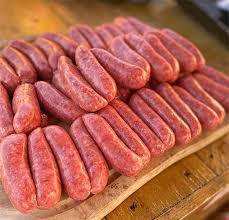
Breakfast and Deli Staples: From breakfast sausages and bacon-alternatives to thin-shaved sandwich meats, processed beef provides quick, flavorful center-of-the-plate options for households that lack the time for intensive scratch-cooking.
3. Industrial Food Manufacturing and Component Supply
Large-scale food processors use processed beef as a component ingredient inside complex, multi-element frozen and shelf-stable meals.
-
Frozen Entrées and Prepared Foods: Frozen pizzas, lasagnas, and meat pies rely on IQF (Individually Quick Frozen) processed beef crumbles or slices. These components are formulated to withstand double-cooking—once at the processing factory and once in the consumer’s microwave or oven—without turning rubbery or releasing excess water that would ruin the surrounding pastry or sauce.
-
Appetizers and Toppings: The pizza industry alone consumes millions of pounds of processed beef toppings annually. These meats must have specific “cup and char” properties, predictable oil release, and identical flavor profiles across every single batch.
Deep-Dive Nutritional Profile & Biochemical Structural Integrity
To truly appreciate processed beef, we have to look closely at what is happening on a molecular level. Processing beef isn’t just about masking it with spices; it is an exercise in applied organic chemistry and protein manipulation.
The Role of Myofibrillar Proteins
When raw beef is processed, the introduction of mechanical energy (like tumbling or chopping) combined with salt alters the structural state of the meat. Salt ($NaCl$) dissolves into the moisture of the meat, causing the main muscle proteins—myosin and actin—to swell and untangle.
Once these myofibrillar proteins are extracted, they form a sticky, viscous gel matrix. When heated, this gel cross-links into a stable three-dimensional structure. This is exactly how products like hot dogs, beef sausages, and formed deli loaves retain their solid, sliceable structure without crumbling apart. The protein matrix traps water and emulsified fat droplets, giving the processed beef its characteristic juicy, firm “snap” when bitten.
Flavor and Color Chemistry
The distinctive pink or deep red color of cured processed beef is the result of a precise reaction between the meat’s natural iron-binding protein, myoglobin, and nitric oxide ($NO$), which is derived from added nitrites.
This reaction creates nitrosomyoglobin, which transforms into nitrosohemochrome upon heating. This heat-stable molecule gives cured beef its familiar pink hue and prevents the meat from turning a dull grey-brown when cooked.
Furthermore, nitrites act as incredibly potent antioxidants. They interrupt the free-radical chain reactions that cause lipid oxidation (which makes fat taste rancid), ensuring the beef tastes fresh even after weeks in a vacuum sealed package.
Macro and Micronutrient Density
From a nutritional perspective, processed beef is an incredibly dense source of high-biological-value protein. It contains all nine essential amino acids required for human tissue synthesis and repair.
-
Bioavailable Iron and Zinc: Processed beef retains high concentrations of heme iron—the form of iron most easily absorbed by the human digestive system—alongside zinc, which is critical for immune function and metabolic health.
-
B-Vitamin Complex: It serves as an excellent source of Vitamin B12 (cobalamin), niacin, and pyridoxine, which are vital for neurological health and systemic energy production.
-
Sodium Management: While processed beef is inherently higher in sodium than its raw counterpart due to the requirements of preservation and protein extraction, modern formulations utilize micronized salt or potassium chloride alternatives to reduce sodium levels by 25% to 30% without sacrificing structural safety or sensory quality.
Industrial Manufacturing Processes
The transformation of raw bovine muscle into a finished, commercially viable processed beef product follows a highly regulated, linear manufacturing pathway. Every step is monitored via critical control points (HACCP) to ensure absolute biosecurity.
[Raw Beef Raw Material] ➔ [Trimming & Formulation] ➔ [Mechanical Manipulation]
                                                               │
[Thermal Setting & Smoking] ◀ [Stuffing & Forming] ◀ [Curing & Marination]
           │
           ▼
[Chilling & Stabilization] ➔ [Slicing & Portioning] ➔ [Vacuum Packaging]
1. Raw Material Sourcing and Grinding
The process begins with strict raw material intake. Lean beef trimmings and specific primal cuts are inspected for temperature, color, and microbiological safety. The meat is then passed through commercial grinders or flakers equipped with heavy-duty stainless steel plates. The plate size determines the final texture: coarse plates are used for items like salami or beef crumbles, while fine, high-speed bowl cutters are used to create the silk-smooth emulsions needed for frankfurters.
2. Curing, Marination, and Massaging
Once the desired particle size is achieved, the meat is transferred to industrial vacuum tumblers. Here, water, salt, spices, nitrates, and functional carbohydrates (like starches or carrageenan) are added.
The vacuum tumbler creates a negative-pressure environment that opens up the cellular pores of the meat. As the drum rotates, the meat is repeatedly lifted and dropped, mechanically forcing the curing brine deep into the core of the muscle fibers. This action speeds up protein extraction and ensures an even distribution of flavor and curing agents across the entire batch.
3. Stuffing, Forming, and Thermal Processing
The seasoned meat mass is pumped through continuous vacuum stuffers into structural casings (cellulose, collagen, or fibrous polymers) or pressed into stainless steel cooking molds to give the product its signature shape.
The formed meat then enters multi-stage thermal processing houses. Here, it undergoes controlled drying, natural smoking (using atomized hardwood chips like hickory or applewood), and final steam cooking until the internal core temperature reaches a verified microbial kill-step of at least 71°C (160°F).
4. Stabilization, Slicing, and Modified Atmosphere Packaging (MAP)
After cooking, the processed beef must be cooled down incredibly quickly to prevent spore-forming bacteria from waking up. It moves through blast chillers until it falls below 4°C.
Once stabilized, the products are moved into high-security cleanrooms for slicing and packaging. To prevent post-cook contamination, these rooms operate under positive air pressure and strict cleanroom protocols. The sliced or portioned beef is packaged using either deep vacuum skin packaging or Modified Atmosphere Packaging (MAP), where oxygen is completely swapped out for a precise mix of carbon dioxide ($CO_2$) and nitrogen ($N_2$). This gas mixture safely stops the growth of aerobic spoilage organisms without crushing the delicate slices of meat.
Supply Chain Packaging, Logistics, and Quality Assurance
The commercial viability of processed beef relies heavily on the integrity of its cold chain and packaging systems. Without these protections, even the most carefully formulated product would quickly deteriorate.
Packaging Innovations
Modern processed beef packaging does far more than just hold the product; it acts as an active preservation barrier. High-barrier multi-layer films combining polyethylene (for moisture resistance) and ethylene vinyl alcohol (EVOH, for excellent oxygen barrier properties) are standard.
Advanced packaging formats also incorporate anti-microbial films embedded with natural plant extracts (like rosemary or thyme oil) that slowly release over time, further inhibiting surface spoilage.
Cold Chain Distribution
Processed beef is distributed via two main thermal pathways:
-
Chilled ($0^circtext{C}$ to $4^circtext{C}$): Used for premium deli meats, sausages, and traditional cured products where freezing would damage the moisture-binding matrix and cause excessive purging (water loss) upon thawing.
-
Frozen ($-18^circtext{C}$ or lower): Used for long-term storage of burger patties, raw seasoned components, and bulk industrial items destined for export.
To maintain chain of custody and verify safety, shipments are equipped with RFID-enabled temperature loggers. These devices continuously record environmental data, providing a verifiable digital audit trail before the product is accepted at retail or foodservice distribution centers.
Conclusion
Processed beef stands as a testament to the power of food science and industrial ingenuity. By taking an inherently unstable, highly perishable raw material and applying precise physical and chemical principles, processors create a diverse portfolio of uniform, safe, and craveable foods.
Whether it is optimizing kitchen workflows for commercial restaurants, providing convenient fuel for busy families, or serving as a stable component ingredient inside complex food manufacturing pipelines, processed beef delivers unparalleled functional value.
As processing technologies advance—bringing cleaner ingredient decks, lower sodium options, and ultra-efficient green packaging—processed beef will remain a dominant, versatile, and highly profitable anchor of the global food landscape. It effectively honors traditional culinary heritage while meeting the uncompromising performance metrics required by modern commerce.