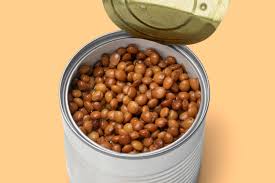
Canned beans are pre-cooked legumes that have been processed, preserved, and sealed in airtight containers, typically with water, salt, and sometimes seasoning or sauce. They are designed for long-term storage while maintaining taste, texture, and nutritional value. Common varieties include kidney beans, black beans, chickpeas, baked beans, and white beans.
Canned beans are widely used as a convenient, ready-to-eat or ready-to-cook food product that saves preparation time while providing essential nutrients such as protein, dietary fiber, vitamins, and minerals.
Introduction
Canned beans are an important staple in modern food systems, offering a quick, affordable, and nutritious food option for households, restaurants, and food manufacturers. Traditionally, dried beans require long soaking and cooking times, but canning technology has transformed them into a convenient product that is ready for immediate use.
The production of canned beans involves selecting high-quality dried beans, cleaning and sorting them, and then soaking and partially cooking them before sealing them in cans with liquid and preservatives. The sealed containers are then heat-sterilized to ensure safety and extend shelf life.
Canned beans are popular globally due to their versatility in cooking and their nutritional benefits. They are an excellent source of plant-based protein, making them especially valuable in vegetarian and vegan diets. They also contain complex carbohydrates and dietary fiber, which support digestion and sustained energy release.
In modern kitchens, canned beans are used in a wide range of dishes such as soups, stews, salads, curries, chili, and side dishes. Their long shelf life and ease of use make them an essential pantry item in both urban and rural households.
As consumer demand for convenient and healthy food products continues to rise, canned beans remain a key product in the global canned food industry.
Product Specifications
Specification Parameter
Description
Product Name
Canned Beans
Product Category
Processed / Preserved Food
Main Ingredient
Dried beans (kidney, black, chickpeas, white beans, etc.)
Additional Ingredients
Water, salt, seasoning, sometimes sugar or sauce
Product Type
Ready-to-eat or ready-to-heat legume product
Appearance
Whole beans in liquid or sauce
Taste
Mild, earthy, or seasoned depending on variety
Texture
Soft, cooked beans
Processing Method
Soaking, cooking, canning, sterilization
Shelf Life
12–36 months depending on packaging and storage
Packaging Types
Metal cans, jars, pouches
Storage Conditions
Store in a cool, dry place; refrigerate after opening
Nutritional Value
High in protein, fiber, iron, folate, and complex carbohydrates
Consumption Method
Ready-to-eat or used in cooking
Target Consumers
Households, restaurants, food service providers
Quality Standards
Produced under food safety and hygiene regulations
Market Availability
Supermarkets, grocery stores, wholesale markets
Features of Canned Beans
1. Ready-to-Use Convenience
Canned beans are pre-cooked and require little to no preparation, making them extremely convenient.
2. High Nutritional Value
They are rich in plant-based protein, fiber, vitamins, and essential minerals.
3. Long Shelf Life
Properly sealed canned beans can last for years without spoilage.
4. Consistent Quality
Canning ensures uniform texture, taste, and safety across all batches.
5. Versatile Ingredient
They can be used in a wide variety of dishes across different cuisines.
6. Affordable Protein Source
Canned beans provide a cost-effective alternative to animal protein.
7. Minimal Waste
They are portion-controlled and easy to store, reducing food waste.
Manufacturing Process
The production of canned beans involves several carefully controlled steps:
1. Selection of Beans
High-quality dried beans are selected and sorted to remove damaged or defective grains.
2. Cleaning
Beans are washed to remove dust, dirt, and impurities.
3. Soaking
Beans are soaked in water to soften them and reduce cooking time.
4. Pre-Cooking
Soaked beans are partially cooked to achieve the desired texture.
5. Filling
Cooked beans are placed into sterilized cans along with water, brine, or sauce.
6. Sealing
Cans are hermetically sealed to prevent contamination.
7. Heat Sterilization
Sealed cans are heated under pressure to kill microorganisms and ensure food safety.
8. Cooling
Cans are cooled rapidly to maintain texture and quality.
9. Labeling and Packaging
Finished products are labeled, packed, and prepared for distribution.
Types of Canned Beans
1. Kidney Beans
Red beans commonly used in chili, stews, and rice dishes.
2. Black Beans
Popular in Latin American cuisine with a rich, earthy flavor.
3. Chickpeas (Garbanzo Beans)
Used in salads, hummus, and curries.
4. Baked Beans
Beans cooked in a sweet or savory tomato-based sauce.
5. White Beans
Mild-flavored beans used in soups and Mediterranean dishes.
6. Mixed Beans
A combination of different bean varieties for variety and nutrition.
Uses of Canned Beans
1. Quick Meals
Used as a fast protein source in everyday cooking.
2. Soups and Stews
Added to enhance thickness, nutrition, and flavor.
3. Salads
Used in cold dishes for added texture and protein.
4. Side Dishes
Served alongside rice, bread, or other staples.
5. Food Service Industry
Widely used in restaurants, catering, and institutional cooking.
6. Vegan and Vegetarian Diets
Important plant-based protein source.
7. Ready Meals
Included in packaged and instant meal products.
Advantages of Canned Beans
Time-Saving
Eliminates the need for soaking and long cooking times.
Nutrient-Rich
Provides protein, fiber, and essential micronutrients.
Long Storage Life
Can be stored for extended periods without refrigeration.
Versatile Usage
Suitable for many cuisines and recipes.
Affordable Nutrition
Cost-effective source of plant-based protein.
Easy Availability
Widely accessible in retail markets.
Quality Considerations
To ensure high-quality canned beans, manufacturers focus on:
Selection of premium bean varieties
Proper soaking and cooking control
Hygienic canning and sealing processes
Accurate salt and liquid formulation
Sterilization for food safety
Packaging integrity testing
Shelf-life stability monitoring
Compliance with food safety regulations
Market Demand and Consumer Trends
The global canned beans market continues to grow due to rising demand for convenient and healthy foods. Key trends include:
Organic canned beans
Low-sodium and no-salt-added varieties
Ready-to-eat meal solutions
Plant-based protein diets
Sustainable packaging innovations
Ethnic and flavored bean products
Consumers increasingly prefer canned beans as a healthy, affordable, and convenient alternative to freshly cooked legumes.
Conclusion
Canned beans are a nutritious, convenient, and versatile food product made from pre-cooked and preserved legumes. They provide an excellent source of plant-based protein, fiber, and essential nutrients while offering unmatched convenience for modern lifestyles.
Their long shelf life, ease of use, and wide range of culinary applications make them an essential pantry staple across the world. As demand for healthy, plant-based, and ready-to-eat foods continues to grow, canned beans remain a highly valuable product in the global food industry.