Cassava – Premium Root Crop for Food, Industrial Processing, and Agricultural Development
Introduction
Cassava is one of the world’s most important root crops, valued for its high carbohydrate content, versatility, drought tolerance, and wide range of food and industrial applications. As a major staple food for millions of people across Africa, Asia, Latin America, and tropical regions worldwide, cassava plays a critical role in food security, agricultural development, and rural economies.
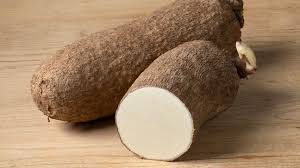
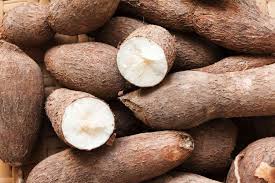
Scientifically known as Manihot esculenta, cassava belongs to the family Euphorbiaceae. It is a perennial woody shrub cultivated primarily for its starchy tuberous roots, which serve as major sources of dietary energy. Cassava thrives in tropical and subtropical climates and is highly adaptable to poor soils and dry conditions, making it one of the most resilient food crops in regions vulnerable to climate variability and food insecurity.
Cassava is highly appreciated because of its rich carbohydrate composition and versatility in processing. The roots can be consumed fresh, boiled, fried, roasted, fermented, or processed into flour, starch, chips, pellets, and numerous food products. In many countries, cassava serves as a staple food used to prepare traditional meals and modern processed foods.
One of the major strengths of cassava is its broad industrial value. Beyond human consumption, cassava is widely utilized in starch production, animal feed manufacturing, ethanol production, paper processing, textiles, adhesives, pharmaceuticals, and biodegradable products. Cassava starch is especially valued because of its purity, thickening properties, and functionality in food and industrial applications.
Cassava leaves are also edible and highly nutritious when properly processed. They contain proteins, vitamins, and minerals and are consumed as vegetables in many regions. In addition, cassava peels and processing residues may be utilized in livestock feed production, contributing to integrated agricultural systems and waste reduction.
The growing global demand for gluten-free foods, industrial starches, renewable bio-products, and sustainable agricultural commodities has significantly increased cassava’s importance in international markets. Cassava flour is increasingly used as an alternative to wheat flour in gluten-free bakery products and processed foods.
Modern cassava production involves improved cultivation practices, careful harvesting, cleaning, peeling, drying, milling, fermentation, and hygienic packaging to maintain premium product quality and food safety. Proper post-harvest handling is especially important because fresh cassava roots are highly perishable and require timely processing.
Today, cassava remains one of the most valuable agricultural commodities supporting food security, industrial manufacturing, rural development, and global trade. Its affordability, adaptability, and versatility continue to strengthen its importance in both local and international markets.
Product Definition
Cassava is a starchy edible root crop obtained from the cassava plant (Manihot esculenta), cultivated primarily for food consumption, starch extraction, animal feed production, and industrial applications. It is a carbohydrate-rich agricultural commodity widely processed into flour, starch, chips, pellets, and various food and industrial products.
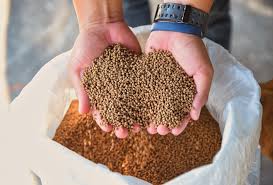
Cassava may be supplied in fresh root form, dried chips, flour, starch, pellets, fermented products, or processed derivatives depending on market demand and industrial applications.
Product Features
1. High Carbohydrate Content
Cassava is rich in starch and serves as an excellent source of dietary energy.
2. Drought-Resistant Crop
The crop thrives under dry climatic conditions and poor soils with minimal agricultural inputs.
3. Versatile Food Applications
Cassava can be boiled, fried, roasted, fermented, or processed into flour and starch products.
Cassava flour serves as an important alternative ingredient for gluten-sensitive consumers.
Economic Importance
Cassava contributes significantly to rural livelihoods, agricultural trade, and industrial development.
Export Importance
Cassava and cassava-derived products are internationally traded agricultural commodities with strong demand in food and industrial sectors.
Export-quality cassava products must comply with international standards regarding:
Moisture content
Product purity
Starch quality
Packaging standards
Food safety regulations
Contamination control
Reliable suppliers ensure:
Consistent product quality
Hygienic processing
Competitive pricing
Timely delivery
Secure packaging
Bulk supply capability
These factors contribute to strong customer trust and successful international trade relationships.
Conclusion
Cassava remains one of the world’s most valuable root crops due to its high carbohydrate content, versatility, resilience, and broad industrial importance. Its role in food security, gluten-free food production, starch manufacturing, livestock feeding, and industrial processing makes it an essential agricultural commodity worldwide.
Premium-quality cassava is carefully cultivated, processed, and packaged to maintain purity, freshness, starch quality, and nutritional value. From traditional foods and gluten-free products to starch production and industrial manufacturing, cassava continues to support healthy nutrition, agricultural development, rural economies, and sustainable food systems.
As global demand for sustainable crops, renewable industrial raw materials, and gluten-free foods continues to rise, cassava remains a trusted commodity for farmers, wholesalers, exporters, manufacturers, and consumers across international markets.