Peanut Butter – Premium Nutritious Spread for Food, Nutrition, and Industrial Applications
Introduction
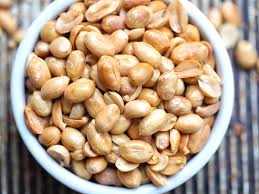
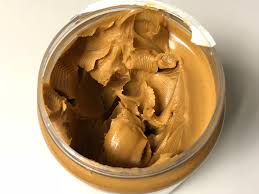
Peanut Butter is one of the world’s most popular and widely consumed food spreads, valued for its rich flavor, creamy texture, high nutritional content, and versatile culinary applications. Produced primarily from roasted peanuts that are ground into a smooth or crunchy paste, peanut butter has become an essential household food product enjoyed across all age groups and cultures worldwide.
Derived from peanuts (Arachis hypogaea), peanut butter combines excellent taste with substantial nutritional value, making it a highly desirable product in homes, restaurants, bakeries, food manufacturing industries, and retail markets. It is widely appreciated for its rich protein content, healthy fats, dietary fiber, vitamins, minerals, and energy-boosting properties.
Peanut butter serves as an affordable and reliable source of plant-based nutrition. It is especially popular among athletes, children, vegetarians, health-conscious consumers, and individuals seeking convenient high-energy foods. The balanced combination of protein, healthy fats, and carbohydrates makes peanut butter suitable for breakfast meals, snacks, sandwiches, smoothies, desserts, and nutritional supplements.
The versatility of peanut butter contributes significantly to its global demand. It is consumed directly as a spread or used as an ingredient in bakery products, confectioneries, sauces, beverages, protein snacks, cereals, and processed foods. Peanut butter is available in several varieties including smooth, crunchy, natural, sweetened, flavored, organic, and fortified formulations to meet diverse consumer preferences.
The growing global demand for plant-based foods, healthy snacks, and protein-rich diets has further strengthened peanut butter’s position in international food markets. Food manufacturers increasingly incorporate peanut butter into snack bars, desserts, sports nutrition products, and convenience foods because of its nutritional richness and flavor appeal.
Modern peanut butter production involves careful peanut selection, cleaning, roasting, blanching, grinding, mixing, homogenization, packaging, and strict quality control procedures to ensure premium product quality and food safety. Hygienic processing and proper storage conditions help maintain freshness, flavor, texture consistency, and long shelf life.
In addition to its nutritional importance, peanut butter contributes significantly to agricultural economies and food industries worldwide. Peanut farming supports millions of farmers globally while peanut butter manufacturing creates opportunities in food processing, retail, export trade, and industrial food production.
Today, peanut butter remains one of the most valuable processed food products globally, supporting healthy nutrition, food convenience, industrial manufacturing, and international trade. Its affordability, versatility, and nutrient-rich composition continue to increase its popularity among consumers worldwide.
Product Definition
Peanut butter is a processed food spread produced by grinding roasted peanuts into a smooth or crunchy paste. It is a nutrient-rich product valued for its protein content, healthy fats, creamy texture, and broad applications in food preparation, nutrition, and industrial food processing.
Peanut butter may be supplied in natural, sweetened, salted, flavored, organic, crunchy, or smooth forms depending on market demand and consumer preferences.
Product Features
1. High Plant-Based Protein Content
Peanut butter contains substantial protein important for muscle maintenance and balanced nutrition.
2. Rich Creamy Texture
The product offers smooth or crunchy textures suitable for various culinary applications.
3. Nutrient-Dense Composition
It contains healthy fats, fiber, vitamins, minerals, and antioxidants beneficial for healthy living.
4. Convenient Ready-to-Eat Product
Peanut butter requires no preparation and is suitable for immediate consumption.
5. Versatile Food Applications
The product is widely used in sandwiches, snacks, desserts, smoothies, sauces, and bakery products.
6. Long Shelf Stability
Proper processing and packaging help maintain freshness and product quality over extended periods.
Tabulated Product Specifications
Parameter
Specification
Product Name
Peanut Butter
Scientific Name
Derived from Arachis hypogaea
Product Type
Nut Spread / Processed Food
Texture
Smooth / Crunchy
Color
Light Brown / Golden Brown
Flavor
Nutty / Roasted
Moisture Content
Maximum 2%
Protein Content
22% – 30%
Fat Content
45% – 55%
Carbohydrate Content
10% – 20%
Fiber Content
4% – 8%
Shelf Life
6 – 18 Months
Packaging
Plastic Jars / Glass Jars / Sachets
Packaging Sizes
250g, 500g, 1kg, Bulk
Storage Condition
Cool and Dry Place
Main Applications
Food and Nutrition
Quality Grade
Premium Food Grade
Origin
Processed Agricultural Product
Nutritional Composition
Peanut butter provides essential nutrients necessary for healthy body function and energy production.
Protein
Peanut butter is rich in plant-based protein important for body growth and muscle repair.
Healthy Fats
The product contains beneficial unsaturated fats that support energy supply and balanced nutrition.
Carbohydrates
Peanut butter provides carbohydrates necessary for sustained energy production.
Dietary Fiber
Fiber supports digestive health and improved nutrient absorption.
Vitamins
Peanut butter contains vitamins such as:
Vitamin E
Vitamin B3 (Niacin)
Vitamin B6
Folate
Minerals
Important minerals naturally present in peanut butter include:
Magnesium
Potassium
Phosphorus
Zinc
Iron
Calcium
Antioxidants
Peanut butter contains antioxidants that support cellular protection and overall wellness.
Uses of Peanut Butter
1. Direct Human Consumption
Peanut butter is widely consumed as a ready-to-eat spread.
Common Consumption Methods
Bread spread
Sandwich filling
Breakfast meals
Snack products
Its creamy texture and rich flavor make it highly popular among consumers.
2. Bakery Industry
Peanut butter is widely used in bakery and confectionery applications.
Bakery Applications
Cakes
Cookies
Pastries
Muffins
Biscuits
3. Food Processing Industry
The product is incorporated into numerous processed foods.
Processed Food Applications
Protein bars
Breakfast cereals
Desserts
Chocolate products
Ice cream
Snack foods
4. Nutritional and Sports Products
Peanut butter supports health-focused and protein-enriched food formulations.
Health Applications
Sports nutrition products
Protein shakes
Weight gain supplements
Energy foods
5. Culinary Applications
Peanut butter is used in sauces, smoothies, soups, and traditional recipes worldwide.
Production and Processing
The quality of peanut butter depends on proper raw material selection and hygienic processing methods.
Peanut Selection
High-quality mature peanuts are selected based on purity, freshness, and size.
Cleaning and Sorting
The peanuts undergo cleaning procedures to remove impurities and damaged kernels.
Roasting
Controlled roasting enhances flavor, aroma, and texture.
Blanching
Peanut skins may be removed to improve smoothness and appearance.
Grinding
The roasted peanuts are ground into fine paste consistency.
Mixing and Homogenization
Additional ingredients such as salt, sugar, or stabilizers may be added depending on formulation requirements.
Packaging
The finished peanut butter is packaged hygienically to preserve freshness and shelf life.
Quality Assurance
Premium peanut butter undergoes strict quality control procedures to ensure consistency, purity, and food safety.
Quality assurance measures include:
Selection of premium peanuts
Hygienic processing standards
Moisture testing
Texture consistency control
Aflatoxin monitoring
Nutritional analysis
Packaging inspection
Storage monitoring
Food safety compliance verification
These procedures help maintain superior product quality and customer satisfaction.
Packaging and Storage
Peanut butter is packaged using food-grade containers designed to preserve freshness and prevent contamination.
Common packaging options include:
Plastic jars
Glass jars
Sachets
Bulk containers
Recommended storage conditions include:
Cool and dry environment
Airtight sealing
Protection from direct sunlight
Low humidity conditions
Clean storage areas
Proper storage practices help preserve flavor, texture, nutritional integrity, and shelf stability.
Advantages of Peanut Butter
Excellent Nutritional Value
Peanut butter provides proteins, healthy fats, vitamins, and minerals essential for healthy diets.
Convenient Ready-to-Eat Product
It serves as a quick and nutritious meal or snack option.
The product provides economical plant-based nutrition for households and food industries.
Growing Global Demand
Increasing demand for nutritious and protein-rich foods continues to strengthen peanut butter markets worldwide.
Commercial Importance
Peanut butter is an important product in global retail, food manufacturing, and nutritional industries.
Reliable suppliers ensure:
Consistent product quality
Hygienic processing standards
Competitive pricing
Timely delivery
Secure packaging
Bulk supply capability
These factors contribute to strong customer confidence and successful long-term trade relationships.
Conclusion
Peanut butter remains one of the most valuable processed food products in global food markets due to its rich nutritional profile, creamy texture, affordability, and versatility. Its high protein content, healthy fats, and broad culinary applications make it essential for food manufacturing, nutrition, snack production, and household consumption.
Premium-quality peanut butter is carefully processed and packaged to maintain freshness, flavor consistency, texture, and nutritional integrity. From sandwiches and smoothies to bakery products and protein-rich snacks, peanut butter continues to support healthy nutrition, food processing industries, agricultural development, and international trade.
As worldwide demand for convenient, nutritious, and plant-based foods continues to rise, peanut butter remains a trusted product for manufacturers, wholesalers, retailers, exporters, and consumers across global markets.