Certified Export-Grade Produce – Detailed Product Description
Introduction
Certified export-grade produce refers to agricultural products that meet internationally recognized quality, safety, and phytosanitary standards required for export to global markets. These products are carefully cultivated, harvested, processed, and packaged under strict regulatory frameworks to ensure they comply with the importing country’s standards for food safety, quality consistency, traceability, and sustainability.
Export-grade produce is a critical component of international agricultural trade. It includes fruits, vegetables, spices, grains, nuts, cash crops, and processed agricultural goods that are selected and prepared specifically for cross-border distribution. Unlike local market produce, export-grade products must pass rigorous inspections, certifications, and quality control checks before being approved for shipment.
The demand for certified export-grade produce continues to grow as global consumers, supermarkets, and food manufacturers require safe, high-quality, and traceable agricultural products. Countries in Africa, Asia, and Latin America play a major role in supplying these commodities to Europe, North America, and the Middle East.
Definition of Certified Export-Grade Produce
Certified export-grade produce refers to agricultural goods that have been officially inspected and certified by relevant regulatory authorities or certification bodies as meeting the required standards for international trade.
These standards typically cover:
Food safety and hygiene compliance
Absence of harmful pesticide residues
Proper grading and sorting
Phytosanitary certification (plant health certification)
Moisture and quality specifications
Packaging and labeling compliance
Traceability from farm to export point
Export certification ensures that produce is safe for consumption, free from pests and diseases, and compliant with international trade regulations.
Key Characteristics of Export-Grade Produce
Certified export-grade agricultural products share several essential characteristics:
Uniform size, shape, and color
High freshness and optimal ripeness
Free from pests, diseases, and contaminants
Minimal physical defects or damage
Proper moisture content control
Compliance with international residue limits
Clean and standardized packaging
Traceable production origin
These qualities ensure that the produce meets the expectations of international buyers and regulatory authorities.
Types of Certified Export-Grade Produce
Export-grade certification applies to a wide variety of agricultural commodities:
1. Fresh Fruits
Includes mangoes, bananas, pineapples, oranges, avocados, apples, and grapes.
2. Fresh Vegetables
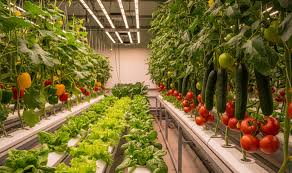
Includes tomatoes, peppers, onions, carrots, cucumbers, and green beans.
3. Spices and Herbs
Includes ginger, garlic, turmeric, pepper, cinnamon, and cloves.
4. Nuts and Oilseeds
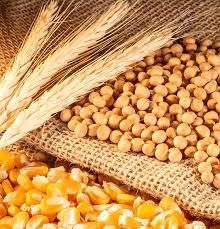
Includes cashew nuts, groundnuts, sesame seeds, sunflower seeds, and almonds.
5. Cash Crops
Includes cocoa, coffee, tea, cotton, and tobacco.
6. Processed Agricultural Products
Includes dried fruits, fruit juices, frozen vegetables, and packaged spices.
Botanical Example
Many export-grade products come from widely cultivated tropical and subtropical crops.
Mangifera indica is one of the most important export fruit species globally, valued for its sweetness, nutritional content, and high international demand.
Export-grade mangoes, for example, must meet strict requirements for size, ripeness, absence of blemishes, and pest-free certification before being accepted in international markets.
Export Certification and Standards
Certified export-grade produce must comply with multiple international standards, including:
1. Phytosanitary Certification
Ensures the produce is free from pests, diseases, and invasive organisms that could harm importing countries’ ecosystems.
2. Quality Grading Standards
Products are graded based on size, color, firmness, and defect levels.
3. Food Safety Standards
Compliance with Maximum Residue Limits (MRLs) for pesticides and contaminants.
4. Packaging Standards
Use of clean, durable, and labeled packaging that protects produce during transportation.
5. Traceability Systems
Documentation that tracks produce from farm to export shipment.
6. Certification Bodies
Common certifications include:
GLOBALG.A.P.
ISO food safety standards
HACCP (Hazard Analysis and Critical Control Points)
Organic or Fair-trade certifications (when applicable)
Production and Export Process
The journey of export-grade produce involves several strict stages:
1. Farm Production
Farmers follow good agricultural practices (GAP) to ensure safe cultivation.
2. Monitoring and Inspection
Crops are regularly inspected for pests, diseases, and quality compliance.
3. Harvesting
Produce is harvested at the correct maturity stage for export suitability.
4. Sorting and Grading
Products are sorted based on size, quality, and export specifications.
5. Cleaning and Treatment
Washing, disinfection, and post-harvest treatments are applied where permitted.
6. Packaging
Produce is packed in export-compliant cartons, crates, or containers.
7. Certification
Authorities issue phytosanitary and export certificates after inspection.
8. Transportation
Products are shipped via air or sea using cold chain logistics when required.
Tabulated Specification of Certified Export-Grade Produce
Specification
Details
Product Name
Certified Export-Grade Produce
Product Type
Agricultural commodities
Certification
Phytosanitary, GLOBALG.A.P., HACCP, ISO standards
Origin
Certified farms in producing countries
Form
Fresh, dried, frozen, or processed
Quality Grade
Export-grade (premium, A or equivalent)
Appearance
Uniform size, color, and shape
Safety Standards
Compliant with international residue limits
Packaging
Export cartons, crates, vacuum packs
Traceability
Full farm-to-export documentation
Storage Conditions
Controlled temperature and humidity
Shelf Life
Varies by product type
Inspection Requirement
Mandatory pre-export inspection
Uses of Certified Export-Grade Produce
Export-grade agricultural products are used in multiple global sectors:
1. International Retail Markets
Supplied to supermarkets and grocery chains worldwide for consumer use.
2. Food Processing Industry
Used in manufacturing:
Canned foods
Frozen food products
Juices and beverages
Packaged snacks
3. Hospitality Industry
Hotels, restaurants, and catering services rely on export-grade produce for consistent quality.
4. Industrial Food Manufacturing
Used in large-scale production of sauces, condiments, and ready-to-eat meals.
5. Pharmaceutical and Nutraceutical Industry
Certain export crops are processed into extracts, supplements, and herbal products.
6. Trade and Export Business
Represents a major source of foreign exchange earnings for producing countries.
Health and Safety Benefits
Certified export-grade produce offers several advantages:
1. Food Safety Assurance
Meets strict international safety standards.
2. Reduced Chemical Residues
Controlled pesticide usage within allowable limits.
3. High Nutritional Quality
Harvested at optimal maturity for nutrient retention.
4. Traceable Origin
Consumers can identify the source of their food.
5. Reduced Contamination Risk
Strict handling and inspection reduce risk of spoilage or contamination.
Economic Importance
Export-grade produce is a cornerstone of global agricultural trade. It:
Generates foreign exchange revenue
Supports rural employment and farming livelihoods
Strengthens national export economies
Encourages investment in agriculture infrastructure
Enhances global market competitiveness
Countries that invest in export-grade certification systems gain better access to premium international markets.
Environmental Importance
When properly managed, export-grade production can support sustainability through:
Good agricultural practices (GAP)
Reduced post-harvest losses
Efficient use of water and fertilizers
Encouragement of sustainable farming systems
Compliance with environmental regulations
Storage and Handling Guidelines
Proper handling is essential to maintain export quality:
Use temperature-controlled storage where required
Avoid mechanical damage during handling
Maintain hygiene standards at all stages
Ensure proper ventilation and humidity control
Follow international cold chain logistics when necessary
Quality Control Standards
Export-grade produce must pass strict quality checks:
Physical inspection (size, color, defects)
Laboratory residue testing
Pest and disease inspection
Packaging compliance verification
Certification and documentation review
Conclusion
Certified export-grade produce represents the highest standard of agricultural quality prepared for international markets. It is the result of carefully managed farming, strict inspection processes, and compliance with global food safety and phytosanitary regulations.
From fruits and vegetables to spices, nuts, and cash crops, export-grade products ensure that global consumers receive safe, fresh, and high-quality food. At the same time, they provide farmers and exporting nations with access to profitable international markets and improved economic opportunities.
Beyond trade, certified export-grade produce reflects a commitment to quality, safety, and sustainability in global agriculture. It bridges the gap between local production and international demand, ensuring that agricultural goods meet the expectations of a highly regulated and quality-conscious global marketplace.
In essence, certified export-grade produce is not just about meeting standards—it is about delivering trust, reliability, and excellence from farm to global table.