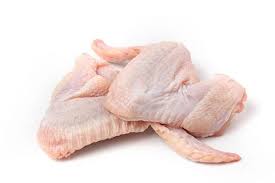
Chicken sausages are processed meat products made primarily from minced chicken meat, blended with spices, seasonings, binders, and sometimes vegetable or cereal fillers, then stuffed into casings and shaped into cylindrical portions. They are a convenient, ready-to-cook or ready-to-eat poultry product widely consumed across households, restaurants, and food service industries.
Chicken sausages are valued for their mild flavor, soft texture, quick cooking time, and versatility in recipes. They are commonly used in breakfasts, snacks, sandwiches, pasta dishes, and fast-food meals. Compared to red meat sausages, chicken sausages are often perceived as a leaner and healthier alternative, depending on formulation and fat content.
Definition of Chicken Sausages
Chicken sausages are processed meat products made from finely ground chicken meat combined with seasoning, fat, stabilizers, and sometimes additives, which are then encased in natural or synthetic casings and cooked, smoked, or raw-frozen for consumption.
They are derived from domesticated poultry:
Gallus gallus domesticus
The product may be sold fresh, frozen, smoked, or pre-cooked depending on processing methods and market demand.
Types of Chicken Sausages
1. Fresh Chicken Sausages
Uncooked sausages that require full cooking before consumption.
2. Pre-Cooked Chicken Sausages
Fully cooked during processing and only require reheating.
3. Smoked Chicken Sausages
Cured and smoked to enhance flavor and extend shelf life.
4. Frozen Chicken Sausages
Stored at low temperatures to preserve freshness and enable export.
5. Spicy Chicken Sausages
Flavored with chili, pepper, and strong spices for enhanced taste.
6. Herb-Infused Chicken Sausages
Prepared with herbs like thyme, basil, oregano, or parsley for gourmet appeal.
Production Process of Chicken Sausages
Chicken sausage production involves several controlled industrial steps:
1. Meat Selection
High-quality chicken meat is selected, usually from breast and thigh cuts.
2. Grinding
Meat is finely minced to achieve a uniform texture.
3. Mixing
Chicken meat is blended with:
Salt and spices
Fat or oil
Binders (e.g., starch, soy protein)
Flavor enhancers (optional depending on formulation)
4. Stuffing
The mixture is filled into natural or synthetic casings.
5. Linking and Shaping
Sausages are twisted or clipped into uniform sizes.
6. Cooking or Smoking
Depending on product type, sausages are:
Cooked
Smoked
Or left raw for freezing
7. Cooling
Products are cooled rapidly to maintain texture and safety.
8. Packaging
Vacuum-sealed or packed in protective materials for distribution.
Physical and Sensory Characteristics
Chicken sausages are characterized by:
Smooth, uniform texture
Mild to moderately seasoned flavor
Light pink to golden-brown color (depending on processing)
Soft yet firm bite
Even casing structure
Pleasant aroma influenced by spices and smoking
Tabulated Specification of Chicken Sausages
Specification
Details
Product Name
Chicken Sausages
Scientific Source
Gallus gallus domesticus
Product Type
Processed poultry meat product
Main Ingredient
Chicken meat (minced)
Forms
Fresh, frozen, smoked, pre-cooked
Texture
Smooth, finely ground
Flavor Profile
Mild, spicy, herbal, or smoked
Color
Light pink to brown (depending on processing)
Shelf Life
3–7 days (fresh), 6–12 months (frozen)
Storage Conditions
Refrigerated or frozen (-18°C for long storage)
Packaging
Vacuum packs, trays, sealed casings
Cooking Requirement
Varies (raw or pre-cooked)
Traceability
Poultry processing facility and farm origin
Uses of Chicken Sausages
Chicken sausages are widely used in both domestic and commercial food preparation:
1. Household Meals
Used in quick and easy dishes such as:
Breakfast platters
Stir-fries
Sandwiches and wraps
2. Fast Food Industry
Common in:
Hot dogs
Sausage rolls
Burger toppings
3. Restaurants and Cafés
Used in gourmet dishes such as:
Pasta meals
Grilled sausage platters
Appetizers
4. Food Processing Industry
Used in:
Frozen ready meals
Packaged convenience foods
Canned meat products
5. Catering Services
Ideal for large-scale food preparation due to quick cooking time.
6. Export Markets
Frozen and pre-cooked sausages are widely traded internationally.
Nutritional Value of Chicken Sausages
Chicken sausages provide:
High-quality animal protein
B vitamins (B3, B6, B12)
Iron and zinc
Moderate fat content (varies by recipe)
Energy from protein and fat combination
Nutritional content depends heavily on formulation and processing method.
Health Benefits
When consumed in moderation, chicken sausages offer:
1. Protein Support
Helps in muscle growth and repair.
2. Energy Source
Provides quick energy from fats and proteins.
3. Convenient Nutrition
Easy-to-prepare protein option for busy lifestyles.
4. Versatile Diet Inclusion
Can be included in various balanced meal plans.
Economic Importance
Chicken sausages contribute significantly to the food industry:
Add value to poultry meat products
Increase profitability of poultry processing industries
Support retail and frozen food markets
Create employment in food manufacturing and logistics
Expand export opportunities for processed meat
They represent a growing segment of the global convenience food market.
Environmental Considerations
Chicken sausage production is linked to poultry sustainability systems:
Efficient use of poultry meat reduces waste
Requires energy for processing and refrigeration
By-products can be reused in animal feed or fertilizer
Supports integrated livestock value chains
Storage and Handling Guidelines
Proper handling ensures safety and quality:
Keep refrigerated at 0–4°C (fresh products)
Store frozen at -18°C or lower
Avoid thawing and refreezing
Cook thoroughly if not pre-cooked
Maintain hygiene during preparation
Use sealed packaging to prevent contamination
Quality Control Standards
High-quality chicken sausages must meet:
Proper meat-to-fat ratio
Uniform texture and casing integrity
Absence of spoilage or off-odors
Food-grade ingredient compliance
Veterinary and food safety approval
Accurate labeling and traceability
Conclusion
Chicken sausages are a versatile and highly demanded processed poultry product made from quality chicken meat such as Gallus gallus domesticus. They combine convenience, flavor, and nutritional value, making them suitable for a wide range of consumers and food applications.
From household breakfasts to restaurant menus and global frozen food markets, chicken sausages play an important role in modern food systems. Their adaptability, ease of preparation, and value-added processing make them a key product in the poultry industry.
In essence, chicken sausages are not just processed meat—they are a modern food innovation that bridges nutrition, convenience, and commercial food production in today’s fast-paced world.