Chocolate products are among the most widely consumed and beloved food items in the world, enjoyed across all age groups, cultures, and regions. They are derived primarily from cocoa beans obtained from the cacao tree (Theobroma cacao), a tropical plant native to Central and South America but now cultivated extensively in West Africa, South America, and parts of Asia.
The transformation of raw cocoa beans into chocolate products is a complex process involving fermentation, drying, roasting, grinding, refining, and blending with other ingredients such as sugar, milk, and flavorings. This process creates a wide variety of chocolate-based products with different textures, flavors, and applications.
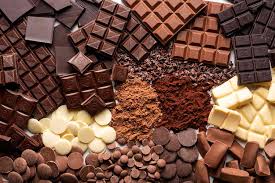
Chocolate products are not limited to simple chocolate bars; they include a broad range of items such as milk chocolate, dark chocolate, white chocolate, filled chocolates, pralines, truffles, chocolate spreads, cocoa beverages, chocolate coatings, and baking chocolate. Each category serves different consumer preferences and industrial uses.
Over the years, chocolate has evolved from a luxury item consumed by royalty and elites to a globally accessible product found in supermarkets, bakeries, confectionery shops, and vending machines worldwide. Today, chocolate is both a comfort food and a major ingredient in the global food industry, contributing billions of dollars annually to international trade.
Definition of Chocolate Products
Chocolate products refer to all edible items made primarily from cocoa solids, cocoa butter, sugar, and sometimes milk and flavoring agents. These products are manufactured by processing cocoa beans into cocoa liquor, separating cocoa butter, and recombining ingredients in specific proportions to achieve desired taste, texture, and quality.
Chocolate products can be classified based on cocoa content, processing method, and ingredient composition. The main types include:
Dark Chocolate – High cocoa content, little or no milk solids, intense flavor
Milk Chocolate – Contains milk powder or condensed milk for a creamy taste
White Chocolate – Made from cocoa butter, sugar, and milk, without cocoa solids
Compound Chocolate – Uses vegetable fats instead of cocoa butter
Filled Chocolate – Chocolate shells filled with caramel, nuts, cream, or fruit fillings
Each type of chocolate product offers a unique sensory experience and serves different culinary and commercial purposes.
Production Process of Chocolate Products
The production of chocolate products involves several carefully controlled stages to ensure quality, flavor development, and safety:
1. Harvesting of Cocoa Pods
Cocoa pods are harvested from cacao trees when fully ripe. Each pod contains cocoa beans embedded in a sweet pulp.
2. Fermentation
Beans are fermented for 5–7 days. This step is crucial for developing the chocolate flavor precursor compounds.
3. Drying
Fermented beans are sun-dried to reduce moisture content and prepare them for storage and transport.
4. Roasting
Roasting enhances aroma, flavor, and color while reducing bitterness and microbial contamination.
5. Grinding
Roasted beans are ground into cocoa liquor, a thick paste containing cocoa solids and cocoa butter.
6. Pressing
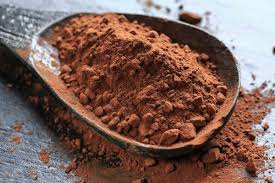
Cocoa liquor is pressed to separate cocoa butter from cocoa solids. The solids are later processed into cocoa powder.
7. Mixing and Refining
Cocoa liquor, cocoa butter, sugar, and milk (for milk chocolate) are blended and refined to achieve smooth texture.
8. Conching
This is a key step where chocolate is continuously mixed and aerated to improve smoothness and flavor development.
9. Tempering
Chocolate is carefully cooled and reheated to stabilize cocoa butter crystals, ensuring a glossy finish and crisp snap.
10. Molding and Packaging
The final chocolate is poured into molds, cooled, and packaged for distribution.
Physical and Sensory Characteristics
Chocolate products have distinct physical and sensory properties that define their quality and appeal:
Smooth and glossy appearance
Firm texture with a clean snap (in solid bars)
Rich aroma and flavor profile
Melts smoothly at body temperature
Color ranges from light brown (milk chocolate) to deep dark brown (dark chocolate)
Sweet, bitter, creamy, or balanced taste depending on formulation
The quality of chocolate depends on cocoa bean origin, fat content, processing method, and ingredient ratios.
Sweet, bitter, creamy, or blended depending on type
Aroma
Rich cocoa/chocolate fragrance
Texture
Smooth, firm, melt-in-mouth
Cocoa Content
10% – 90% (depending on type)
Fat Content
20% – 55% (mainly cocoa butter)
Moisture Content
≤ 1.5%
Shelf Life
6 – 24 months (depending on storage conditions)
Storage Conditions
Cool, dry place (18°C–22°C recommended)
Packaging
Foil wraps, cartons, plastic wraps, vacuum packs
Allergens
Milk, soy lecithin, nuts (varies by product)
Types of Chocolate Products
1. Dark Chocolate
Dark chocolate contains a high percentage of cocoa solids and cocoa butter with little or no milk. It is known for its intense, slightly bitter flavor and high antioxidant content. It is often preferred by health-conscious consumers.
2. Milk Chocolate
Milk chocolate is made by adding milk powder or condensed milk to cocoa solids and sugar. It has a sweeter, creamier taste and is the most popular chocolate type globally.
3. White Chocolate
White chocolate contains cocoa butter, sugar, and milk solids but no cocoa solids. It has a smooth, creamy texture and a sweet vanilla-like flavor.
4. Compound Chocolate
This type replaces cocoa butter with vegetable fats. It is more affordable and widely used in commercial confectionery and baking industries.
5. Filled Chocolates
These include chocolates filled with caramel, nuts, nougat, fruit cream, or liquor-based fillings. They are often used in premium confectionery products.
6. Chocolate Coatings
Used for covering biscuits, wafers, ice cream, and snacks to enhance taste and appearance.
Nutritional Composition
Chocolate products contain a mix of nutrients depending on their type and formulation:
Improper storage may lead to fat bloom, sugar bloom, or loss of flavor.
Quality Control Standards
High-quality chocolate products must meet strict standards:
Smooth texture without graininess
Consistent color and gloss
Balanced sweetness and cocoa flavor
Proper tempering (no bloom formation)
Controlled moisture and fat levels
Free from contaminants and off-flavors
Quality testing includes sensory evaluation, chemical analysis, and microbiological testing.
Economic Importance
Chocolate products are a major contributor to the global food industry. The chocolate market generates billions of dollars annually and supports millions of jobs across farming, processing, manufacturing, packaging, and retail sectors.
Cocoa-producing countries in West Africa supply a significant portion of the world’s raw cocoa beans, while Europe and North America dominate chocolate manufacturing and branding.
The rising demand for premium, organic, and dark chocolate products continues to expand global trade opportunities and innovation in the confectionery industry.
Conclusion
Chocolate products are a globally cherished food category that combines flavor, nutrition, and cultural significance. From simple chocolate bars to complex filled confections, chocolate has evolved into a versatile product used across multiple industries including food, beverages, cosmetics, and health nutrition.
Derived from cocoa beans of the Theobroma cacao plant, chocolate undergoes a sophisticated manufacturing process that transforms raw agricultural material into one of the world’s most beloved consumables.
Its widespread popularity is driven by its rich taste, emotional appeal, and functional benefits such as antioxidant content and energy provision. Beyond indulgence, chocolate plays a major economic role, supporting global trade and millions of livelihoods.
In essence, chocolate products represent more than just a sweet treat—they are a symbol of pleasure, craftsmanship, and global economic integration, making them one of the most important and enduring food products in the world.