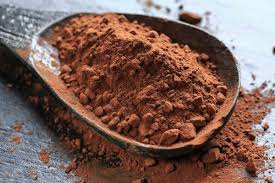
Processed cocoa powder is one of the most widely used cocoa-derived ingredients in the global food and beverage industry. It is a finely ground, flavorful powder obtained after the extraction of cocoa butter from roasted cocoa beans. Known for its rich brown color, deep chocolate aroma, and slightly bitter taste, cocoa powder is a key component in chocolate production, bakery goods, beverages, confectionery, and even cosmetic formulations.
Cocoa powder originates from the cocoa bean, scientifically derived from the tropical plant Theobroma cacao, which is primarily cultivated in West Africa, South America, and parts of Asia. Countries such as Côte d’Ivoire, Ghana, Nigeria, and Indonesia are among the leading producers of cocoa beans globally.
The transformation from raw cocoa beans to processed cocoa powder involves several carefully controlled stages, including fermentation, drying, roasting, grinding, pressing, and milling. Each stage plays a crucial role in developing the final flavor profile, aroma intensity, color depth, and overall quality of the cocoa powder.
Processed cocoa powder is valued not only for its culinary versatility but also for its nutritional and functional properties. It contains antioxidants, minerals, and bioactive compounds that contribute to health benefits when consumed in moderation. Today, it serves as a fundamental ingredient in chocolate manufacturing and is also widely used in home cooking and industrial food production.
Definition of Processed Cocoa Powder
Processed cocoa powder is the dry, solid by-product obtained after cocoa butter is extracted from roasted cocoa liquor. Cocoa liquor itself is made by grinding roasted cocoa nibs into a smooth paste. Once most of the fat (cocoa butter) is removed using hydraulic pressing, the remaining solid cake is crushed and milled into a fine powder known as cocoa powder.
Depending on the level of processing and alkalization, cocoa powder can be categorized into:
Natural Cocoa Powder – Light brown, acidic, and strong in flavor
Alkalized Cocoa Powder (Dutch-Processed) – Darker in color, smoother taste, and less acidic
Processed cocoa powder is widely used for its strong chocolate flavor, excellent solubility in liquids, and ability to enhance both sweet and savory dishes.
Production Process of Cocoa Powder
The production of processed cocoa powder involves a series of industrial steps designed to ensure flavor development, safety, and consistency:
1. Harvesting
Cocoa pods are harvested manually from cocoa trees when they reach maturity. Each pod contains 20–50 cocoa beans embedded in a sweet pulp.
2. Fermentation
Beans are fermented for 5–7 days to develop flavor precursors. This step reduces bitterness and initiates the formation of chocolate aroma compounds.
3. Drying
Fermented beans are sun-dried to reduce moisture content and prevent mold growth.
4. Roasting
Roasting enhances flavor, color, and aroma while reducing microbial load.
5. Grinding
Roasted beans are ground into a thick paste called cocoa liquor.
6. Pressing
Cocoa liquor is pressed under high pressure to separate cocoa butter from cocoa solids.
7. Milling
The remaining cocoa cake is milled into fine powder, resulting in processed cocoa powder.
8. Packaging
The final product is packaged in moisture-proof containers to preserve freshness and quality.
Physical and Chemical Characteristics
Processed cocoa powder has distinct physical and chemical properties that make it suitable for various applications:
Fine, free-flowing powder texture
Rich brown to dark brown color
Strong chocolate aroma
Slightly bitter or mildly acidic taste (depending on processing)
Low fat content (typically 10%–24% depending on grade)
High dispersibility in liquids
Stable shelf life under proper storage conditions
The quality of cocoa powder depends on factors such as bean origin, fermentation method, roasting temperature, and level of alkalization.
Tabulated Specification of Processed Cocoa Powder
Specification
Details
Product Name
Processed Cocoa Powder
Botanical Source
Theobroma cacao
Type
Cocoa derivative / food ingredient
Appearance
Fine, dry powder
Color
Light brown to dark brown
Flavor
Chocolate, slightly bitter (natural) or mild (alkalized)
Aroma
Strong cocoa/chocolate aroma
Fat Content
10% – 24% (depending on processing level)
Moisture Content
≤ 5%
pH Level
5.0 – 8.0 (natural to alkalized)
Particle Size
Fine mesh powder
Solubility
High in hot liquids
Shelf Life
12 – 24 months (proper storage)
Storage Conditions
Cool, dry place away from light and moisture
Packaging
Laminated bags, tins, bulk cartons
Allergens
None naturally, but may be processed in facilities handling milk/nuts
Nutritional Composition
Processed cocoa powder is a nutrient-rich ingredient containing a variety of beneficial compounds:
Carbohydrates – Provide energy
Protein – Small but significant plant-based protein content
Cocoa is especially known for its antioxidant content, which helps protect the body from oxidative stress and supports cardiovascular health.
Types of Processed Cocoa Powder
1. Natural Cocoa Powder
This is produced without alkalization. It has a light brown color, strong acidic flavor, and higher antioxidant content. It reacts with baking soda in recipes to produce leavening effects.
2. Alkalized (Dutch-Processed) Cocoa Powder
This type is treated with alkaline solutions to neutralize acidity. It has a darker color, smoother taste, and better solubility in liquids such as milk and water.
3. Low-Fat Cocoa Powder
Contains reduced cocoa butter content, often used in dietary and industrial applications.
Processed cocoa powder is highly versatile and used across multiple industries:
1. Beverage Industry
Cocoa powder is widely used in:
Hot chocolate drinks
Chocolate milk beverages
Protein shakes and nutritional drinks
Instant cocoa-based beverage mixes
Its ability to dissolve easily in warm liquids makes it ideal for both home and commercial beverage production.
2. Bakery Industry
Cocoa powder is a fundamental ingredient in baking applications such as:
Cakes and pastries
Brownies and cookies
Muffins and doughnuts
Chocolate bread and desserts
It provides color, flavor, and aroma, enhancing the overall sensory appeal of baked goods.
3. Confectionery Industry
It is essential in the production of:
Chocolate bars
Truffles and pralines
Candy coatings
Cocoa fillings
Cocoa powder is often combined with sugar, milk solids, and cocoa butter to create chocolate products.
4. Dairy and Ice Cream Industry
Cocoa powder is used in:
Chocolate ice cream
Flavored yogurt
Milk-based desserts
Frozen dairy treats
It blends well with milk fat, creating a smooth and rich flavor profile.
5. Health and Nutrition Products
Due to its antioxidant properties, cocoa powder is used in:
Nutritional supplements
Energy bars
Protein powders
Functional health drinks
It is often included in wellness products for its mood-enhancing and energy-boosting effects.
6. Cosmetic Industry
Cocoa powder and cocoa derivatives are used in:
Skin masks
Body scrubs
Moisturizing creams
Spa treatments
Its antioxidant properties help nourish the skin and improve hydration.
7. Industrial Applications
Beyond food, cocoa powder derivatives are used in:
Fragrance production
Pharmaceutical formulations
Specialty chemical products
Health Benefits of Processed Cocoa Powder
When consumed in moderation, cocoa powder offers several health benefits:
1. Rich in Antioxidants
Cocoa contains flavonoids that help neutralize free radicals in the body, reducing oxidative stress.
2. Supports Heart Health
It may improve blood circulation and help maintain healthy blood pressure levels.
3. Enhances Brain Function
Cocoa compounds may support cognitive performance, memory, and focus.
4. Mood Enhancement
Cocoa stimulates the release of endorphins and serotonin, improving mood and reducing stress.
5. Supports Metabolism
It contains compounds that may help regulate energy use and fat metabolism.
6. Mineral Supply
Provides essential minerals such as magnesium and iron, important for muscle and blood health.
Storage and Handling Guidelines
Proper storage ensures quality preservation:
Store in airtight containers
Keep in cool, dry environments
Avoid exposure to sunlight and humidity
Prevent contact with strong odors
Use moisture-proof packaging for long-term storage
Improper storage may lead to clumping, flavor loss, or contamination.
Quality Control Standards
High-quality processed cocoa powder must meet strict standards:
Uniform particle size
Consistent color and flavor
Low microbial contamination
Controlled moisture levels
Absence of foreign particles
Proper fat content specification
Quality testing includes sensory evaluation, chemical analysis, and microbiological testing.
Economic Importance
Cocoa powder plays a significant role in the global economy. The cocoa industry supports millions of farmers, processors, exporters, and manufacturers worldwide. West African countries dominate global cocoa production, supplying a large percentage of raw cocoa beans used in processing industries.
Value-added processing, such as cocoa powder production, increases export revenue and creates employment opportunities in rural communities. The rising demand for chocolate products and functional foods continues to drive global cocoa consumption.
Conclusion
Processed cocoa powder is a vital and highly versatile food ingredient with global importance in the food, beverage, cosmetic, and industrial sectors. Derived from the cocoa bean of the Theobroma cacao plant, it undergoes a complex transformation that enhances its flavor, aroma, and usability.
Its applications range from baking and confectionery to health supplements and skincare products, making it one of the most valuable natural ingredients in the world. Beyond its culinary appeal, cocoa powder offers nutritional benefits, including antioxidants, essential minerals, and mood-enhancing compounds.
With increasing global demand for chocolate-based products and natural health foods, processed cocoa powder continues to maintain a strong position in international markets. It represents not just a food ingredient, but a bridge between agriculture, industry, and consumer wellness.
In summary, processed cocoa powder is a rich, flavorful, and economically significant product that continues to shape global food culture while delivering both indulgence and nutrition in every serving.