Electrical systems are an integral part of modern life, powering homes, commercial buildings, industrial facilities, transportation systems, and critical infrastructure. As the demand for electricity continues to increase, ensuring the safety, reliability, and efficiency of electrical installations becomes increasingly important. One of the most essential protective devices used in electrical systems is the circuit breaker.
Circuit breakers are designed to safeguard electrical circuits and equipment from damage caused by overloads, short circuits, ground faults, and other abnormal electrical conditions. They automatically interrupt the flow of electricity when a fault is detected, preventing equipment damage, electrical fires, and safety hazards. Unlike traditional fuses, circuit breakers can be reset and reused after a fault has been cleared, making them a cost-effective and reliable solution for electrical protection.
Modern circuit breakers incorporate advanced technologies such as electronic trip units, intelligent monitoring systems, remote control capabilities, and enhanced fault detection mechanisms. These innovations improve system reliability, operational efficiency, and safety while supporting the growing complexity of modern electrical networks.
Available in a wide range of voltage ratings, current capacities, and configurations, circuit breakers are used in residential, commercial, industrial, utility, and renewable energy applications. Their ability to provide rapid fault interruption and dependable circuit protection makes them a fundamental component of every electrical power system.
This comprehensive product description explores the definition, specifications, features, applications, advantages, and significance of circuit breakers in modern electrical infrastructure.
Product Definition
A circuit breaker is an automatically operated electrical switching device designed to protect electrical circuits and equipment from damage caused by excessive current resulting from overloads, short circuits, or other electrical faults. It functions by detecting abnormal current conditions and interrupting the electrical flow before damage can occur.
Circuit breakers serve both protective and operational functions. In addition to fault protection, they can be used to manually switch electrical circuits on and off for maintenance, testing, or operational control. Unlike fuses, which must be replaced after operation, circuit breakers can be reset and returned to service once the fault has been resolved.
Circuit breakers are available in various designs and technologies to meet the protection requirements of low-voltage, medium-voltage, and high-voltage electrical systems.
Product Specifications
The following table presents typical specifications of modern circuit breakers. Actual specifications may vary depending on application, voltage level, and manufacturer.
Specification
Description
Product Name
Circuit Breaker
Function
Electrical circuit protection and switching
Rated Voltage
230V – 800kV and above
Rated Current
1A – 6300A and above
Frequency
50 Hz / 60 Hz
Interrupting Capacity
Up to 100kA or higher
Pole Configuration
Single Pole, Double Pole, Triple Pole, Four Pole
Trip Mechanism
Thermal, Magnetic, Electronic
Insulation Medium
Air, Vacuum, Oil, SF6 Gas
Mounting Type
DIN Rail, Panel Mounted, Switchgear Mounted
Operating Method
Manual or Automatic
Control Options
Local and Remote Operation
Protection Class
IP Rated Enclosures Available
Operating Temperature
Suitable for diverse environments
Mechanical Life
Up to 20,000 operations or more
Electrical Life
Varies according to load conditions
Standards Compliance
IEC, ANSI, IEEE, UL, ISO
Monitoring Features
Optional digital monitoring systems
Application Areas
Residential, Commercial, Industrial, Utility
Key Features
1. Automatic Fault Protection
Circuit breakers automatically detect abnormal current conditions and disconnect the affected circuit before damage occurs.
2. Reusable Operation
Unlike fuses, circuit breakers can be reset after a fault is cleared, reducing replacement costs and downtime.
3. Rapid Fault Interruption
Modern circuit breakers interrupt fault currents within milliseconds, minimizing equipment damage and enhancing system safety.
4. Reliable Overload Protection
They protect electrical circuits from excessive current caused by overloaded equipment or wiring systems.
5. Short Circuit Protection
Circuit breakers quickly isolate short circuits to prevent severe damage to electrical infrastructure.
6. Enhanced Safety
By interrupting dangerous fault currents, circuit breakers reduce the risk of electrical fires, equipment failure, and personal injury.
7. Long Service Life
Manufactured using durable materials and precision engineering, circuit breakers provide years of reliable operation.
8. Compact Design
Modern circuit breakers are designed to maximize protection while minimizing installation space requirements.
9. Intelligent Monitoring
Advanced models incorporate communication and monitoring capabilities that provide real-time system information.
10. Easy Installation and Maintenance
Circuit breakers are designed for straightforward installation, testing, maintenance, and replacement when necessary.
Types of Circuit Breakers
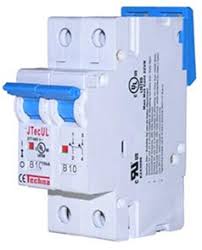
Miniature Circuit Breakers (MCBs)
MCBs are commonly used in residential and commercial electrical installations.
Characteristics:
Compact size
Reliable overload protection
Easy operation
Applications:
Homes
Offices
Small commercial facilities
Molded Case Circuit Breakers (MCCBs)
MCCBs provide higher current ratings and adjustable protection settings.
Characteristics:
Adjustable trip settings
Higher interrupting capacity
Robust construction
Applications:
Industrial facilities
Commercial buildings
Distribution panels
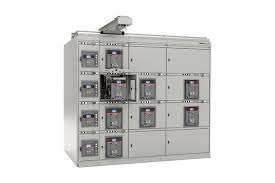
Air Circuit Breakers (ACBs)
ACBs use air as the arc extinguishing medium and are suitable for high-current applications.
Characteristics:
High current capacity
Excellent reliability
Easy maintenance
Applications:
Power distribution systems
Industrial plants
Utility installations
Vacuum Circuit Breakers (VCBs)
VCBs utilize vacuum technology to extinguish electrical arcs.
Characteristics:
Long service life
Minimal maintenance
Environmentally friendly operation
Applications:
Medium-voltage networks
Industrial facilities
Substations
SF6 Circuit Breakers
These breakers use sulfur hexafluoride gas for arc interruption and insulation.
Characteristics:
High interrupting capacity
Reliable performance
Compact design
Applications:
High-voltage transmission systems
Utility substations
Residual Current Circuit Breakers (RCCBs)
RCCBs protect against earth leakage currents and electric shock hazards.
Characteristics:
Sensitive fault detection
Enhanced personal safety
Fast response time
Applications:
Residential buildings
Commercial facilities
Healthcare environments
Applications of Circuit Breakers
Residential Buildings
Circuit breakers protect household electrical systems and appliances.
Common Uses:
Lighting circuits
Power outlets
Air conditioning systems
Kitchen appliances
Commercial Facilities
Commercial buildings rely on circuit breakers to ensure safe electrical distribution.
Applications:
Office complexes
Hotels
Shopping centers
Educational institutions
Industrial Facilities
Industrial operations require robust circuit protection for machinery and production equipment.
Applications:
Manufacturing plants
Mining operations
Oil and gas facilities
Processing industries
Power Generation Plants
Circuit breakers protect generators, transformers, and associated equipment.
Functions:
Fault isolation
Equipment protection
Operational control
Electrical Substations
Substations use circuit breakers to manage and protect transmission and distribution systems.
Benefits:
Grid reliability
Fault management
Service continuity
Renewable Energy Systems
Renewable energy projects require circuit breakers for protection and system control.
Applications:
Solar power plants
Wind farms
Battery energy storage systems
Data Centers
Data centers depend on reliable circuit protection to maintain continuous operations.
Benefits:
Reduced downtime
Equipment protection
Enhanced reliability
Transportation Infrastructure
Circuit breakers are widely used in transportation systems.
Applications:
Railway networks
Airports
Seaports
Electric vehicle charging stations
Healthcare Facilities
Hospitals rely on circuit breakers to protect critical electrical systems.
Applications:
Medical equipment
Emergency power systems
Operating theaters
Intensive care units
Benefits of Circuit Breakers
Improved Electrical Safety
Circuit breakers protect people and equipment from dangerous electrical faults.
Equipment Protection
They prevent costly damage to electrical devices and infrastructure.
Reduced Fire Risk
Rapid fault interruption minimizes the likelihood of electrical fires.
Operational Reliability
Circuit breakers ensure stable and dependable electrical system performance.
Lower Maintenance Costs
Reusable operation reduces replacement expenses compared to traditional fuses.
Quick Fault Recovery
Circuits can be restored quickly once faults have been corrected.
Enhanced System Efficiency
Proper protection helps maintain optimal electrical system performance.
Long-Term Durability
Quality circuit breakers provide years of dependable service with minimal maintenance.
Maintenance Requirements
Routine maintenance is essential for ensuring reliable circuit breaker performance.
Recommended Maintenance Activities
Visual inspections
Mechanical operation testing
Contact resistance measurement
Thermal imaging inspections
Cleaning and lubrication
Trip unit testing
Electrical connection checks
Functional performance verification
Regular maintenance helps prevent unexpected failures and extends equipment life.
Environmental Considerations
Modern circuit breaker manufacturers focus on sustainability through:
Energy-efficient designs
Reduced maintenance requirements
Environmentally responsible materials
Improved operational efficiency
Long service life and recyclability
These advancements contribute to safer and more sustainable electrical systems.
Conclusion
Circuit breakers are indispensable components of modern electrical systems, providing critical protection against overloads, short circuits, ground faults, and other electrical abnormalities. Their ability to automatically detect faults and interrupt electrical current helps safeguard people, equipment, and infrastructure while ensuring reliable system operation.
From residential homes and commercial buildings to industrial facilities, substations, renewable energy projects, and utility networks, circuit breakers play a vital role in maintaining electrical safety and operational continuity. Modern designs offer advanced protection features, intelligent monitoring capabilities, high reliability, and long service life, making them essential investments for any electrical installation.
As electrical systems continue to evolve and power demands increase, circuit breakers will remain fundamental to ensuring safe, efficient, and dependable electricity distribution across a wide range of applications worldwide.