Coffee drinks are beverages prepared from brewed coffee extracts derived from roasted coffee beans, typically blended with water, milk, sweeteners, flavorings, or other functional ingredients. They may be served hot or cold and are available in a wide range of styles, including espresso-based drinks, instant coffee beverages, ready-to-drink bottled coffee, iced coffee, and specialty café formulations.
Coffee drinks are widely consumed for their stimulating effect due to natural caffeine content, as well as their rich aroma, complex flavor profile, and cultural significance. They are enjoyed globally as both a functional energy beverage and a social or lifestyle drink.
Introduction
Coffee drinks are among the most popular beverages in the world, deeply embedded in daily routines, social interactions, and modern café culture. Originating from coffee beans cultivated in tropical regions, coffee has evolved into a global industry that spans farming, roasting, brewing, and beverage innovation.
The process of producing coffee begins with harvesting coffee cherries, extracting the beans, roasting them to develop flavor, and finally grinding and brewing them into a drink. This process produces a wide range of taste profiles depending on roast level, bean origin, and preparation method. Light roasts tend to have a more acidic and fruity profile, while dark roasts offer a stronger, more bitter, and smoky taste.
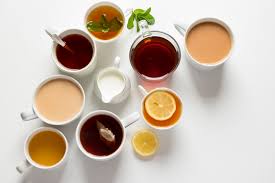
Coffee drinks are consumed in many forms, including black coffee, cappuccino, latte, mocha, americano, cold brew, iced coffee, and flavored coffee beverages. Each variation offers a unique balance of coffee intensity, milkiness, sweetness, and texture.
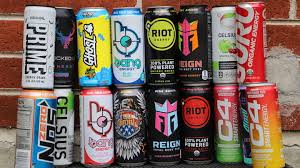
In modern consumer markets, coffee drinks are available not only in cafés but also as ready-to-drink bottled products, instant coffee sachets, and canned iced coffee beverages. The rise of convenience culture and café-style beverages has significantly expanded global coffee consumption.
Coffee is also valued for its caffeine content, which helps improve alertness, concentration, and mental performance. This makes coffee drinks especially popular among students, office workers, drivers, and professionals who rely on sustained focus throughout the day.
Product Specifications
Specification Parameter
Description
Product Name
Coffee Drinks
Product Category
Hot and Cold Beverage
Main Ingredient
Coffee beans (Arabica, Robusta, or blends)
Additional Ingredients
Water, milk, sugar, cream, flavorings
Active Component
Caffeine
Product Type
Brewed, instant, or ready-to-drink beverage
Appearance
Brown to dark brown liquid
Taste
Bitter, aromatic, or sweet depending on formulation
Aroma
Rich roasted coffee aroma
Serving Temperature
Hot or cold (iced varieties available)
Flavor Variants
Black coffee, latte, cappuccino, mocha, iced coffee, caramel, vanilla
Coffee drinks contain caffeine, which helps increase alertness and reduce fatigue.
2. Rich Aroma and Flavor
They are known for their deep, aromatic profile that varies based on roast and preparation.
3. Wide Variety of Styles
Coffee drinks are available in numerous forms, from simple black coffee to complex café beverages.
4. Hot and Cold Options
They can be enjoyed as hot drinks or refreshing iced beverages.
5. Convenient Formats
Coffee is available as instant powder, brewed café drinks, and ready-to-drink packaged products.
6. Customizable Taste
Consumers can adjust sweetness, milk content, and flavor additions to suit personal preference.
7. Cultural and Social Value
Coffee drinking is an important part of social interaction and daily lifestyle habits worldwide.
Manufacturing Process
The production of coffee drinks varies depending on the type but generally includes the following stages:
Coffee Cultivation and Harvesting
Coffee cherries are grown in suitable climates and harvested when ripe.
Processing and Drying
Beans are extracted from cherries, fermented, and dried.
Roasting
Dried beans are roasted to develop aroma, flavor, and color.
Grinding
Roasted beans are ground to suitable particle sizes for brewing or extraction.
Brewing or Extraction
Coffee is brewed using hot water or cold extraction methods to obtain coffee concentrate.
Formulation (for processed drinks)
Milk, sugar, flavorings, and stabilizers may be added depending on product type.
Pasteurization
Ready-to-drink coffee beverages are heat-treated to ensure safety and extend shelf life.
Packaging
Coffee drinks are packaged in cups, bottles, cans, or sachets under hygienic conditions.
Distribution
Finished products are distributed to cafés, retail stores, and vending systems.
Types of Coffee Drinks
1. Black Coffee
Pure brewed coffee without milk or sugar.
2. Espresso
Concentrated coffee shot with strong flavor and aroma.
3. Cappuccino
Espresso mixed with steamed milk and foam.
4. Latte
Milder coffee drink with more milk and smooth texture.
5. Mocha
Coffee combined with chocolate and milk for a sweet flavor.
6. Iced Coffee
Chilled coffee served with ice, often sweetened or milk-based.
7. Cold Brew Coffee
Coffee brewed slowly in cold water for a smooth, less acidic taste.
8. Ready-to-Drink Coffee
Pre-packaged bottled or canned coffee beverages.
Uses of Coffee Drinks
1. Morning Beverage
Coffee is commonly consumed to start the day with energy and alertness.
2. Work and Study Aid
It helps improve focus and concentration during tasks.
3. Social Drink
Coffee is widely consumed during meetings, gatherings, and café visits.
4. Travel Companion
Packaged coffee drinks are convenient for commuting and travel.
5. Refreshment
Iced coffee varieties serve as refreshing cold beverages.
6. Hospitality Service
Hotels, restaurants, and cafés serve coffee as a standard beverage option.
7. Lifestyle Consumption
Coffee is part of modern lifestyle and café culture worldwide.
8. Performance Support
Used by individuals needing temporary mental stimulation.
Advantages of Coffee Drinks
Energy Boost
Provides quick stimulation due to natural caffeine content.
Wide Variety
Available in multiple styles, flavors, and formats.
Social Appeal
Strong cultural and social significance globally.
Convenience
Instant, brewed, and ready-to-drink options available.
Customizable
Can be adjusted with milk, sugar, and flavorings.
Global Availability
Easily accessible in cafés and retail markets worldwide.
Quality Considerations
To ensure high-quality coffee drinks, manufacturers focus on:
Selection of premium coffee beans
Proper roasting techniques
Controlled brewing and extraction
Hygiene in processing and packaging
Flavor consistency
Caffeine level regulation
Shelf-life stability testing
Compliance with beverage safety standards
Market Demand and Consumer Trends
The global coffee drink market continues to grow rapidly due to lifestyle changes and café culture expansion. Key trends include:
Specialty and gourmet coffee drinks
Cold brew and iced coffee popularity
Sugar-free and low-calorie coffee beverages
Plant-based milk coffee options
Ready-to-drink bottled coffee growth
Premium single-origin coffee products
Sustainable and ethical sourcing practices
Consumers increasingly prefer coffee products that combine convenience, quality, and customizable flavor experiences, driving continuous innovation in the industry.
Conclusion
Coffee drinks are versatile, aromatic, and widely consumed beverages valued for both their stimulating effects and rich flavor profiles. From traditional brewed coffee to modern café-style and ready-to-drink variations, coffee continues to evolve as a global favorite.
Their importance spans daily routines, workplace productivity, social culture, and hospitality services. With strong global demand and ongoing innovation in flavor, sustainability, and convenience, coffee drinks remain one of the most influential beverage categories in the world.
As consumer preferences shift toward specialty experiences and healthier formulations, coffee drinks will continue to grow in diversity, quality, and global appeal.