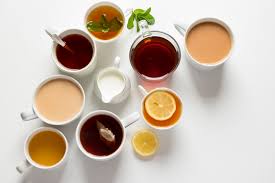
Tea beverages are non-alcoholic drinks prepared by infusing processed tea leaves from the Camellia sinensis plant in hot or cold water. The resulting liquid may be consumed plain or enhanced with milk, sugar, honey, herbs, spices, fruits, or flavorings. Tea beverages include a wide range of products such as black tea, green tea, herbal tea infusions, iced tea, chai, and ready-to-drink bottled tea.
Tea beverages are known for their refreshing taste, aromatic qualities, and functional health benefits due to natural plant compounds such as antioxidants, polyphenols, and moderate caffeine content. They are consumed globally as everyday drinks, wellness beverages, and cultural staples.
Introduction
Tea beverages are among the oldest and most widely consumed drinks in human history, deeply rooted in cultural traditions across Asia, Africa, Europe, and the Americas. Originating thousands of years ago in China, tea has evolved into a global beverage industry with diverse preparation methods, flavor profiles, and consumption styles.
The production of tea beverages begins with harvesting young tea leaves, which are then processed through methods such as withering, rolling, oxidation, and drying. These processes determine the final type of tea—black tea is fully oxidized, green tea is minimally oxidized, and oolong tea falls between the two. Herbal teas, on the other hand, are made from plants, flowers, and herbs rather than tea leaves.
Tea beverages are valued not only for their taste but also for their functional benefits. They naturally contain antioxidants that may support general wellness, hydration, and relaxation. Some varieties also contain caffeine, which can enhance alertness and focus, though typically in lower amounts than coffee.
In modern markets, tea beverages are available in numerous forms, including traditional loose-leaf tea, tea bags, instant tea powders, iced tea, bubble tea, and ready-to-drink bottled teas. The industry has expanded significantly due to increasing demand for healthier, natural, and low-calorie beverage options.
Today, tea beverages are consumed in homes, offices, restaurants, hotels, and social gatherings worldwide. Their versatility, affordability, and perceived health benefits have made tea one of the most important beverage categories globally.
Product Specifications
Specification Parameter
Description
Product Name
Tea Beverages
Product Category
Non-Alcoholic Beverage
Main Ingredient
Tea leaves (Camellia sinensis) or herbal plant materials
Additional Ingredients
Water, milk, sugar, honey, spices, fruit extracts
Active Components
Caffeine, antioxidants, polyphenols
Product Type
Hot or cold beverage
Appearance
Light brown to dark amber liquid
Taste
Mild, earthy, floral, or spiced depending on type
Aroma
Herbal, floral, or roasted tea aroma
Serving Temperature
Hot or iced
Flavor Variants
Black tea, green tea, chai, lemon tea, iced tea, herbal blends
Packaging Types
Cups, tea bags, bottles, cartons, cans
Shelf Life
Tea bags: 12–24 months; bottled tea: 6–12 months
Storage Conditions
Store in a cool, dry place away from moisture and sunlight
Nutritional Value
Low-calorie beverage with antioxidants and mild caffeine
Consumption Method
Brewed or ready-to-drink
Target Consumers
All age groups (varies by caffeine content)
Quality Standards
Produced under food safety and beverage regulations
Tea beverages contain antioxidants such as polyphenols that support general wellness and cellular health.
2. Wide Variety of Flavors
Tea is available in many forms including black, green, herbal, spiced, and fruit-infused varieties.
3. Refreshing and Soothing Effect
Tea provides a calming and refreshing drinking experience suitable for any time of day.
4. Hot and Cold Options
Tea beverages can be enjoyed as hot brews or chilled iced drinks.
5. Moderate Caffeine Content
Tea offers a gentle stimulant effect compared to stronger caffeinated beverages like coffee or energy drinks.
6. Cultural Significance
Tea plays an important role in traditions, rituals, and social interactions across many cultures.
7. Versatile Preparation
It can be brewed using loose leaves, tea bags, instant powders, or ready-to-drink formats.
Manufacturing Process
The production of tea beverages depends on the type but generally includes the following stages:
Cultivation and Harvesting
Tea plants are cultivated in suitable climates and young leaves are carefully handpicked or machine-harvested.
Withering
Fresh leaves are dried to reduce moisture content and prepare them for processing.
Rolling
Leaves are rolled to release natural enzymes and essential oils.
Oxidation (Fermentation)
Depending on tea type, leaves are oxidized to develop flavor, color, and aroma.
Drying
Processed leaves are dried to stop oxidation and preserve quality.
Blending and Flavoring
Tea may be blended with herbs, spices, or flavor extracts.
Brewing or Extraction
Tea is brewed in hot water or extracted for bottled tea production.
Filtration and Pasteurization
Ready-to-drink teas are filtered and heat-treated for safety.
Packaging
Tea is packed into bags, bottles, cans, or cartons under hygienic conditions.
Distribution
Final products are distributed to retail and food service markets.
Types of Tea Beverages
1. Black Tea
Fully oxidized tea with strong flavor and dark color.
2. Green Tea
Minimally processed tea with a light, fresh taste and high antioxidant content.
3. Herbal Tea
Infusions made from herbs, flowers, and spices without tea leaves.
4. Chai Tea
Spiced tea commonly blended with milk, cinnamon, ginger, and cardamom.
5. Iced Tea
Chilled tea served with or without sweeteners and flavorings.
6. Ready-to-Drink Tea
Bottled or canned tea beverages for convenience.
7. Oolong Tea
Partially oxidized tea with a balance between black and green tea characteristics.
8. Flavored Tea
Tea infused with fruit extracts, jasmine, lemon, or other flavors.
Uses of Tea Beverages
1. Daily Refreshment
Tea is commonly consumed throughout the day as a refreshing drink.
2. Morning Beverage
Many people start their day with tea for gentle stimulation.
3. Social and Cultural Drink
Tea is widely served during meetings, ceremonies, and gatherings.
4. Relaxation Aid
Herbal teas are often used to promote relaxation and calmness.
5. Meal Companion
Tea is frequently consumed alongside meals and snacks.
6. Workplace Beverage
Tea is popular in offices for hydration and mild energy support.
7. Hospitality Service
Hotels, cafés, and restaurants regularly include tea in beverage menus.
8. Travel Drink
Packaged tea beverages are convenient for travel and outdoor use.
Advantages of Tea Beverages
Healthful Properties
Tea contains antioxidants and beneficial plant compounds.
Low-Calorie Option
Most tea beverages are naturally low in calories.
Wide Availability
Tea is accessible in almost every market worldwide.
Variety of Choices
Consumers can choose from many flavors and types.
Gentle Stimulation
Provides mild caffeine effects without strong stimulation.
Cultural Acceptance
Tea is widely accepted across different cultures and lifestyles.
Quality Considerations
To ensure high-quality tea beverages, manufacturers focus on:
Selection of high-grade tea leaves
Proper oxidation and drying control
Hygienic brewing and processing
Flavor consistency and balance
Safe packaging materials
Moisture and contamination control
Shelf-life stability testing
Compliance with food safety standards
Market Demand and Consumer Trends
The global tea beverage market continues to expand due to increasing demand for natural and healthy drinks. Key trends include:
Herbal and wellness teas
Sugar-free and low-calorie tea drinks
Cold brew and iced tea innovations
Organic and sustainably sourced tea
Functional teas with added vitamins or botanicals
Ready-to-drink bottled tea growth
Exotic and fusion tea flavors
Consumers increasingly prefer beverages that combine health benefits, natural ingredients, and refreshing taste, making tea beverages a continuously growing global category.
Conclusion
Tea beverages are versatile, refreshing, and culturally significant drinks enjoyed worldwide in countless variations. From traditional hot tea to modern iced and bottled formulations, tea continues to evolve while maintaining its natural and soothing qualities.
Their benefits include antioxidants, mild stimulation, hydration, and wide flavor diversity. Tea beverages play an essential role in daily life, hospitality, and wellness-focused consumption patterns.
As global demand shifts toward healthier and more natural beverages, tea remains a strong and enduring category in the beverage industry, continuously adapting to modern tastes while preserving its traditional heritage.