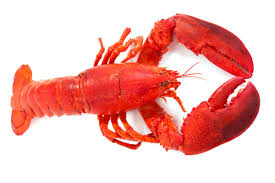
In the hierarchy of the global seafood market, lobster (family Nephropidae and Palinuridae) stands as the definitive symbol of luxury and culinary prestige. These large, decapod crustaceans are renowned not just for their size, but for their sweet, dense, and succulent white meat. Industrially, the lobster sector is an exercise in extreme logistics. Unlike fish or even shrimp, which can be processed in high-volume, automated factory lines, the lobster supply chain is dominated by the need to manage live or highly perishable biological cargo across vast geographic distances.
The industrialization of lobster—from the deep, icy waters of the North Atlantic to the tropical reefs of the Caribbean and the Indo-Pacific—requires an unbroken, high-tech cold chain. The industry must navigate the challenges of seasonal molting cycles, biological vulnerability, and the volatile economics of high-end food service, making lobster one of the most sophisticated and highly monitored sectors in the international seafood trade.
Defining the Product
Lobsters are characterized by their massive size, thick exoskeletons, and powerful, muscular tails. Commercially, the industry distinguishes between two primary types:
Clawed Lobsters (Homarus): Found in cold waters (e.g., American Lobster, European Lobster), these are prized for the dense meat in their claws and tail.
Spiny/Rock Lobsters (Palinuridae): Found in warmer waters, these lack large claws and are harvested primarily for their massive, muscular tails.
The industrial product lifecycle is categorized by four main stages:
Live Export: The industry gold standard. Lobsters are maintained in recirculating, oxygenated seawater tanks during shipping to arrive at global distribution hubs fully alive.
High-Pressure Processing (HPP): A revolutionary industrial technique where whole, raw lobsters are subjected to immense pressure (up to 87,000 psi). This detaches the meat from the shell perfectly, allowing it to be extracted as a fully intact, raw muscle for high-end foodservice.
Frozen Tails/Meat: Standardized portions designed for international retail and wholesale trade, utilizing flash-freezing to preserve texture.
Value-Added Convenience: Pre-cooked meat, “lobster rolls” kits, and frozen lobster-based prepared meals designed for the premium retail and institutional catering segments.
Industrial Specification Matrix
The lobster industry requires strict adherence to biological safety and quality standards, specifically focusing on texture and preventing “mushy” meat—a defect caused by improper handling during the molting cycle.
Specification Parameter
Targeted Industrial Baseline
Verification Methodology
Moisture Content
$75.0% – 79.0%$
Forced-Air Oven Drying
Crude Protein
Minimum $18.0% – 21.0%$
Kjeldahl Combustion Assay
Total Lipid (Fat)
$0.5% – 1.5%$ (Extremely lean)
Soxhlet Lipid Extraction
Soft-Shell Percentage
< 5% (Grade A Standard)
Mechanical Shell-Hardness Tester
Bacterial Load (APC)
$< 50,000 text{ CFU/g}$
Selective Agar Incubation
Freezing Protocol
Blast frozen to $-40^circtext{C}$
Thermocouple Data Log
Storage Temperature
$leq -25^circtext{C}$ (Deep-freeze)
Continuous Data Logging
Industrial Applications and Food Systems
Lobster serves as the premier “showcase” protein in the global food system, focusing on high-margin culinary experiences rather than bulk volume.
Premium Fine-Dining: Lobster is the anchor of global high-end menu development. Its unique ability to maintain its texture through poaching, grilling, or butter-poaching makes it a versatile ingredient for the most demanding culinary environments.
The “HPP” Revolution: High-Pressure Processing has transformed the lobster industry. By allowing raw meat to be extracted from the shell without heat, processors can provide chefs with “sashimi-grade” raw lobster that would previously have been impossible to prepare on a mass scale.
Institutional Luxury: Luxury cruise lines, high-end airlines, and corporate gala catering rely on lobster as the primary protein to signify premium value, utilizing standardized, weight-graded frozen tails to ensure consistency.
Flavor Profiles: Lobster stock, concentrated from shell-waste, is a high-value culinary ingredient used by premium soup and sauce manufacturers to provide a deep, authentic crustacean “umami” profile.
The Engineering of “HPP” and Cryogenic Freezing
The industrial processing of lobster is defined by the need to handle a product that is both rugged (the shell) and incredibly delicate (the meat).
High-Pressure Processing (HPP):
This is the pinnacle of modern lobster processing. By placing the whole lobster in a specialized chamber and applying extreme hydrostatic pressure, the connections between the meat and the shell are snapped. The result is a raw, perfectly intact lobster that requires zero labor to extract. This process also inactivates bacteria (like Listeria), making it a massive advancement in both food safety and processing efficiency.
Cryogenic Blast-Freezing:
For non-HPP product, the lobster must be frozen instantly. Using a blast freezer with high-velocity air at $-40^circtext{C}$, the industry ensures that water molecules within the meat do not form large ice crystals. This is critical: if ice crystals grow too large, they shred the cell walls, and upon thawing, the lobster meat becomes mushy and loses its distinct “snap.”
Sustainability and Ecosystem Management
Lobster fisheries are among the most heavily managed and scrutinized industries in the world. Because lobster populations are dependent on specific benthic habitats and are sensitive to climate change, industrial harvest is strictly regulated.
V-Notching: In many lobster fisheries, females that are identified as egg-bearing are “v-notched” on the tail. By law, these lobsters must be released. This ensures that the reproductive engine of the population is preserved, guaranteeing the fishery remains productive for decades.
Pot-Based Harvest: Lobster is almost exclusively harvested using static pots. This is an inherently selective method that results in virtually zero impact on the seafloor habitat and allows for the immediate release of undersized or non-target species.
Blockchain Traceability: The industry is leading the transition to “sea-to-table” transparency. Every lobster crate can now be tracked via a digital ledger, providing information on the boat, the location, and the date of catch, which is vital for maintaining consumer trust in the sustainability of the product.
Conclusion
The lobster industry represents the ultimate convergence of luxury and logistical excellence. By bridging the gap between a high-maintenance, wild-harvested resource and a global high-value market, the lobster sector has created a supply chain that demands the absolute best in cold-chain technology, pressure-based processing, and population management.
As the industry moves forward, it continues to innovate in sustainability and waste-valorization. From the refinement of HPP techniques to the implementation of satellite-based tracking of population health, the lobster sector ensures that this crown jewel of the sea remains a sustainable, high-quality, and iconic presence in the global diet. Whether served in a traditional preparation or as a modern, high-tech raw product, the lobster remains a standard-bearer for quality in the world of seafood.