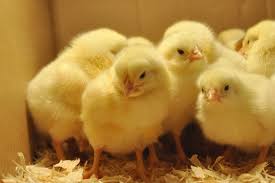
Day-old chicks (commonly abbreviated as DOC) are newly hatched poultry chicks that are typically 24 hours old or less after emerging from the egg. They are the starting point of commercial poultry production and are supplied to farmers for broiler meat production, egg-laying (layer) systems, or breeding purposes.
These chicks are produced in specialized hatcheries under strictly controlled incubation conditions to ensure high hatchability, uniform quality, and strong early-life survival rates. Day-old chicks are highly sensitive and require careful handling, proper temperature control, and immediate access to feed and water after arrival at the farm.
DOCs are a critical input in the poultry value chain because their quality directly determines farm performance, growth rate, and profitability.
Definition of Day-Old Chicks
Day-old chicks are freshly hatched poultry birds, usually within 0–24 hours of birth, produced from incubated fertilized eggs in hatcheries and supplied for rearing in poultry farming systems.
They originate from domesticated chickens scientifically known as:
Gallus gallus domesticus
These chicks are graded and distributed based on their intended production purpose, such as meat production (broilers) or egg production (layers).
Types of Day-Old Chicks
1. Broiler Day-Old Chicks
Bred for fast growth and meat production
Reach market weight in 5–8 weeks
High feed conversion efficiency
2. Layer Day-Old Chicks
Bred for egg production
Grow slower but have longer productive lifespan
Begin laying eggs at 18–22 weeks
3. Dual-Purpose Chicks
Suitable for both meat and eggs
Common in small-scale and backyard farming
4. Improved Indigenous Chicks
Locally adapted breeds
Resistant to local diseases and environmental conditions
5. Breeder Chicks
Raised for producing fertilized eggs
Used in hatchery reproduction systems
Hatchery Production Process
Day-old chicks are produced through a controlled incubation process:
1. Egg Selection
High-quality fertilized eggs are selected from breeder farms.
2. Egg Storage
Eggs are stored under controlled temperature before incubation.
3. Incubation
Eggs are placed in incubators with regulated:
Temperature (~37.5°C)
Humidity
Turning cycles
4. Hatching
After about 21 days (for chickens), chicks hatch naturally in controlled conditions.
5. Sorting and Grading
Chicks are inspected for:
Health status
Weight uniformity
Physical defects
6. Vaccination
Initial vaccines may be administered depending on production standards.
7. Packaging
Chicks are packed in ventilated chick boxes for transportation.
Physical and Biological Characteristics
Healthy day-old chicks typically have:
Dry, fluffy yellow or light-colored down feathers
Active movement and alert behavior
Bright eyes and clean beaks
Strong legs and ability to stand
Closed or well-healed navel area
Uniform size and weight
Tabulated Specification of Day-Old Chicks
Specification
Details
Product Name
Day-Old Chicks (DOC)
Scientific Source
Gallus gallus domesticus
Product Type
Poultry livestock input
Age
0–24 hours after hatching
Weight Range
35g – 45g (varies by breed)
Purpose
Broiler, layer, breeder, dual-purpose
Feeding Requirement
Starter feed immediately after placement
Temperature Requirement
32°C–35°C (brooding stage)
Packaging
Ventilated chick boxes
Transport Method
Controlled temperature transport systems
Vaccination Status
May include initial vaccinations depending on hatchery protocol
Traceability
Hatchery and breeder farm records
Uses of Day-Old Chicks
Day-old chicks are essential in poultry production systems:
1. Broiler Meat Production
Raised to produce chicken meat for domestic and commercial markets.
2. Egg Production
Layer chicks are raised to become egg-laying hens.
3. Commercial Poultry Farming
Supplied to large-scale farms for integrated production systems.
4. Backyard Farming
Used by small-scale farmers for household food production and income generation.
5. Breeding Programs
Selected chicks are raised to produce future generations of poultry stock.
6. Agricultural Development Projects
Used in government and NGO programs to improve rural livelihoods.
Importance in Poultry Industry
Day-old chicks are the foundation of poultry production:
Determine flock productivity and performance
Influence feed efficiency and growth rates
Affect mortality rates and farm profitability
Ensure uniformity in production cycles
Enable scaling of poultry enterprises
High-quality DOCs are essential for successful poultry farming.
Health and Management Requirements
Proper care is critical for survival and growth:
Immediate access to clean water and starter feed
Warm brooding temperatures
Vaccination schedules for disease prevention
Clean and disinfected housing
Protection from drafts and predators
Proper stocking density
Economic Importance
Day-old chicks contribute significantly to agriculture:
Drive poultry meat and egg industries
Provide income for farmers and hatcheries
Create jobs in hatchery and distribution sectors
Support food security in rural and urban areas
Enable fast agricultural turnover cycles
Environmental Considerations
DOC production and poultry farming involve:
Efficient protein production compared to larger livestock
Use of agricultural feed resources
Manure production usable as fertilizer
Need for proper waste and biosecurity management
Storage and Handling Guidelines
Day-old chicks require careful handling:
Maintain warm temperatures during transport
Avoid overcrowding in chick boxes
Ensure ventilation at all times
Minimize transport time and stress
Provide immediate brooding conditions upon arrival
Quality Control Standards
High-quality day-old chicks must meet:
High hatchability rate standards
Uniform size and weight
Active and healthy behavior
Clean navel and no deformities
Disease-free certification
Proper vaccination protocols
Traceable hatchery origin
Conclusion
Day-old chicks are the foundation of the poultry industry and the starting point for all chicken-based production systems. Derived from domesticated chickens such as Gallus gallus domesticus, they represent a critical agricultural input that determines the success of broiler, layer, and breeder operations.
Their quality directly impacts growth performance, feed efficiency, and overall farm profitability. With proper handling, nutrition, and management, day-old chicks develop into productive poultry that supports meat and egg supply chains globally.
In essence, day-old chicks are not just newly hatched birds—they are the beginning of the entire poultry production cycle and a key driver of global food security and agricultural development.