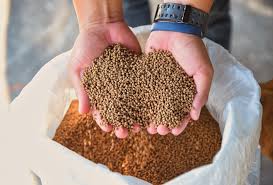
Processed poultry feed is a specially formulated, nutritionally balanced feed designed to support the growth, health, productivity, and overall performance of poultry birds such as chickens, turkeys, ducks, and quails. It is manufactured through controlled industrial processes that combine raw agricultural ingredients with essential nutrients, vitamins, and minerals to create a complete diet for poultry at different stages of life.
Unlike traditional feeding methods where birds rely on scattered grains or natural foraging, processed poultry feed ensures consistent nutrition, improved feed efficiency, and faster growth rates. It plays a critical role in modern poultry farming systems, especially in commercial broiler and layer production.
Processed poultry feed is essential for achieving high meat yield, optimal egg production, and strong disease resistance in poultry birds.
Definition of Processed Poultry Feed
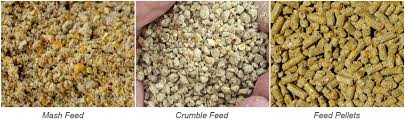
Processed poultry feed refers to industrially prepared feed mixtures composed of grains, protein sources, fats, vitamins, minerals, and additives that are formulated, blended, and processed into pellets, mash, or crumbles to meet the nutritional requirements of poultry.
It is designed specifically for domesticated chickens such as:
Gallus gallus domesticus
The feed is scientifically balanced according to age, production stage, and purpose (broiler, layer, or breeder).
Types of Processed Poultry Feed
1. Starter Feed
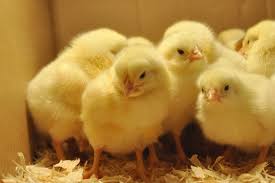
Given to chicks from day 1 to 2–3 weeks
High protein content for early growth and immunity development
2. Grower Feed
Used during intermediate growth stage
Balanced protein and energy for muscle development
3. Finisher Feed
Used for broilers nearing market weight
Promotes weight gain and meat quality
4. Layer Feed
Designed for egg-laying hens
Rich in calcium and minerals for strong eggshell formation
5. Breeder Feed
Supports fertility and reproduction in breeding birds
6. Specialty Feeds
Organic feed
Medicated feed
High-energy feed formulations
Production Process of Poultry Feed
Processed poultry feed is manufactured through a structured industrial system:
1. Ingredient Selection
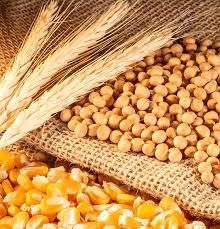
Raw materials such as maize, soybean meal, wheat bran, fish meal, and oilseed cakes are selected.
2. Grinding
Ingredients are ground into fine particles for easy digestion.
3. Mixing
Nutrients, vitamins, minerals, and additives are blended uniformly.
4. Conditioning
Steam or moisture is applied to improve texture and pellet formation.
5. Pelletizing or Crumbling
Feed is shaped into pellets or crumbles depending on bird age.
6. Cooling
Pellets are cooled to maintain stability and prevent spoilage.
7. Packaging
Feed is packed in sealed bags to protect against moisture and contamination.
Physical and Sensory Characteristics
High-quality poultry feed typically exhibits:
Uniform particle size (pellet, mash, or crumble)
Balanced color depending on ingredients (yellowish-brown common)
Dry, free-flowing texture
Pleasant grain-based aroma
No mold, dust, or foreign materials
Consistent hardness (for pellets)
Tabulated Specification of Processed Poultry Feed
Specification
Details
Product Name
Processed Poultry Feed
Target Species
Gallus gallus domesticus
Product Type
Animal feed / Compound feed
Forms
Mash, pellets, crumbles
Main Ingredients
Maize, soybean meal, wheat bran, oilseed cake
Nutritional Content
Protein, carbohydrates, fats, vitamins, minerals
Protein Level
16% – 24% (varies by feed type)
Shelf Life
3–6 months (proper storage)
Storage Conditions
Cool, dry, ventilated environment
Packaging
25kg–50kg sealed bags
Additives
Vitamins, amino acids, enzymes (as required)
Traceability
Feed mill and ingredient sourcing system
Quality Control
Nutritional and microbiological testing
Uses of Processed Poultry Feed
Processed poultry feed is used across poultry production systems:
1. Broiler Production
Supports rapid growth and efficient meat production.
2. Layer Production
Enhances egg production and shell quality.
3. Breeding Farms
Improves fertility and hatchability rates.
4. Commercial Poultry Farms
Ensures consistent flock performance and uniform growth.
5. Backyard Farming
Provides balanced nutrition for small-scale poultry keepers.
6. Hatcheries and Starter Units
Used to support early chick development and immunity.
Processed poultry feed production impacts agriculture in several ways:
Uses agricultural crops such as maize and soybeans
Encourages efficient use of agricultural by-products
Reduces waste through formulated nutrition systems
Requires sustainable sourcing to reduce environmental footprint
Storage and Handling Guidelines
To maintain feed quality:
Store in a dry, cool environment
Avoid exposure to moisture and sunlight
Keep bags off the ground to prevent contamination
Use within recommended shelf life
Protect from pests and rodents
Seal bags properly after opening
Quality Control Standards
High-quality poultry feed must meet:
Correct nutritional formulation standards
Absence of toxins and contaminants
Proper moisture content (low to prevent mold)
Uniform particle size and consistency
Compliance with feed safety regulations
Reliable ingredient sourcing and traceability
Conclusion
Processed poultry feed is a vital component of modern poultry production systems, providing scientifically balanced nutrition that supports the growth, health, and productivity of birds such as Gallus gallus domesticus. It plays a central role in broiler meat production, egg laying, and breeding operations.
By ensuring consistent nutrient delivery, processed poultry feed improves efficiency, reduces mortality, and enhances overall farm profitability. It is a cornerstone of industrial poultry farming and global food supply chains.
In essence, processed poultry feed is not just animal nutrition—it is the foundation of modern poultry agriculture, enabling sustainable, efficient, and large-scale protein production worldwide.