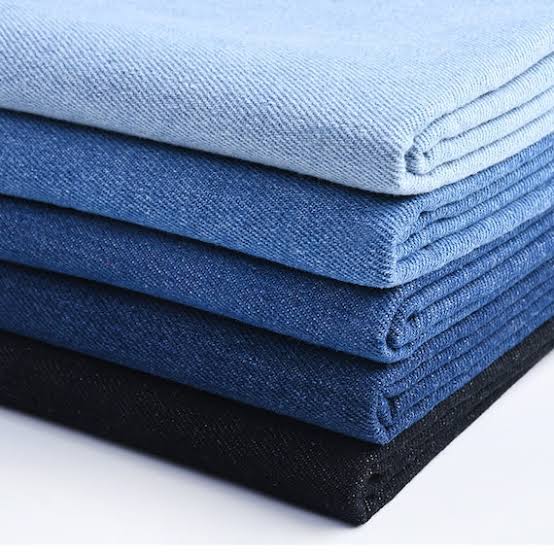
Denim is a strong and durable twill-woven fabric, traditionally made from cotton fibers. It is characterized by its unique diagonal ribbing texture, which is created through a specific weaving method where the weft thread passes under two or more warp threads. This structure gives denim its strength, thickness, and long-lasting nature.
Most denim fabrics are dyed with indigo, producing the iconic blue shade widely associated with jeans. However, modern textile processing allows denim to be produced in a variety of colors, finishes, and blends. Depending on its composition, denim may be 100% cotton or blended with materials such as polyester, elastane, or spandex to enhance stretchability and comfort.
The term “denim” originates from the French phrase “serge de Nîmes,” meaning “fabric from Nîmes,” a city in France known for producing a similar sturdy textile. Over time, denim evolved into a globally recognized material used in fashion, workwear, and lifestyle products.
—
2. INTRODUCTION TO DENIM
Denim is not just a fabric; it is a global fashion icon and a symbol of durability, comfort, and style. Its history dates back to the late 1800s when it was first used to create tough trousers for workers such as miners, farmers, and laborers who required clothing capable of withstanding extreme conditions.
The invention of denim jeans, especially by Levi Strauss & Co., marked a major turning point in fashion history. What began as functional workwear soon became everyday clothing worn across all social classes. Today, denim is a universal wardrobe essential found in almost every country and culture.
One of the most unique features of denim is its aging process. Instead of wearing out quickly, denim develops fades and patterns over time based on how it is worn. This creates a personalized look known as “fade character,” making every denim product unique to its wearer.
Modern denim production has also evolved significantly. Today’s denim comes in various types, including raw denim, stretch denim, selvedge denim, acid-washed denim, and distressed denim. Each variation offers different textures, appearances, and levels of comfort, catering to diverse consumer preferences.
—
3. TABULATED SPECIFICATION OF DENIM
| SPECIFICATION CATEGORY | DETAILS |
|————————|———|
| Fabric Type | Twill weave textile |
| Material Composition | 100% cotton or cotton blended with polyester/elastane |
| Weave Style | Warp-faced twill (commonly 3×1 or 2×1) |
| Weight Range | Light (4–8 oz), Medium (9–12 oz), Heavy (13–16+ oz) |
| Color Variations | Indigo blue, black, grey, white, and dyed shades |
| Texture | Coarse initially, softens over time with use |
| Stretchability | Non-stretch or stretch (with elastane/spandex) |
| Durability | Very high resistance to abrasion and tearing |
| Breathability | Moderate, depending on fabric weight and blend |
| Shrinkage | Possible in raw denim; pre-shrunk options available |
| Care Instructions | Machine wash cold, gentle cycle recommended |
| Common Finishes | Stone wash, acid wash, enzyme wash, raw finish |
| Sustainability Options | Organic cotton, recycled denim fibers |
| Typical Uses | Jeans, jackets, shirts, skirts, bags, upholstery |
| Origin of Name | “Serge de Nîmes” (France) |
—
4. USES AND APPLICATIONS OF DENIM
4.1 CLOTHING AND FASHION APPAREL
Denim is most widely used in clothing, especially in jeans, which are considered a global wardrobe staple. It is also used in jackets, skirts, shirts, dresses, shorts, and overalls. Designers frequently use denim to create both casual and high-fashion pieces due to its adaptability and timeless appeal.
4.2 WORKWEAR AND UNIFORMS
Denim was originally designed for heavy-duty use, and it remains a popular choice for workwear. It is commonly used in uniforms for construction workers, mechanics, factory workers, and farmers because of its strength and protective qualities.
4.3 ACCESSORIES AND LIFESTYLE PRODUCTS
Beyond clothing, denim is widely used in accessories such as handbags, backpacks, wallets, shoes, belts, and phone covers. Its rugged appearance combined with durability makes it ideal for everyday lifestyle products.
4.4 HOME FURNISHINGS AND INTERIOR DESIGN
Denim is also used in home décor applications like upholstery, cushion covers, curtains, and table coverings. It provides a rustic yet modern aesthetic that fits well in contemporary interior designs.
4.5 ARTISTIC AND CREATIVE USES
Denim is popular in creative industries for DIY crafts, patchwork quilting, textile painting, and fashion upcycling. Old denim garments are often reused to create new artistic or functional products, supporting sustainable creativity.
4.6 SUSTAINABLE FASHION AND RECYCLING
With increasing environmental awareness, denim production is becoming more sustainable. Manufacturers now focus on reducing water usage, using organic cotton, recycling old denim, and adopting eco-friendly dyeing techniques. This helps reduce environmental impact while maintaining product quality.
—
5. ADVANTAGES OF DENIM
– Highly durable and long-lasting
– Suitable for multiple fashion styles
– Timeless and never goes out of fashion
– Becomes more comfortable with wear
– Easy to wash and maintain
– Highly customizable with designs and finishes
—
6. LIMITATIONS OF DENIM
– Can be heavy and less breathable in thick forms
– Raw denim may shrink without pre-treatment
– Requires breaking-in period for comfort
– Indigo dye may fade over time
– Traditional production can consume significant water
—
7. CONCLUSION
Denim is one of the most influential and widely used fabrics in the world. From its origins as durable workwear in the 19th century to its current status as a global fashion essential, denim has maintained its relevance through continuous innovation.
Its strength, versatility, and timeless appeal make it suitable for clothing, accessories, home décor, and even artistic applications. The ability of denim to adapt to fashion trends while maintaining its core identity is what makes it unique.
With the rise of sustainable fashion, denim is also evolving into a more eco-friendly textile through recycling, organic materials, and improved manufacturing processes. This ensures that denim will continue to remain a key fabric in the global textile industry for generations to come.