Lace fabric is one of the most elegant, decorative, and intricate textile materials used in the global fashion and textile industry. It is widely recognized for its delicate open-weave structure, artistic patterns, and luxurious appearance. Unlike plain woven fabrics, lace is designed with ornamental motifs formed by looping, twisting, or knotting threads into complex patterns, creating a semi-transparent textile that is both visually appealing and highly versatile.
Historically associated with luxury and high fashion, lace fabric has evolved from a handcrafted material reserved for royalty and aristocracy into a widely accessible textile used in everyday fashion, bridal wear, accessories, and interior decoration. Its timeless appeal lies in its ability to combine sophistication with femininity, making it a preferred choice for designers, tailors, and fashion houses across the world.
Today, lace fabric is produced using both traditional handcraft methods and modern industrial machinery, allowing for mass production while still preserving intricate detailing. It is available in a wide range of patterns, textures, and compositions, making it suitable for diverse applications ranging from bridal gowns to casual fashion and decorative home textiles.
Product Definition
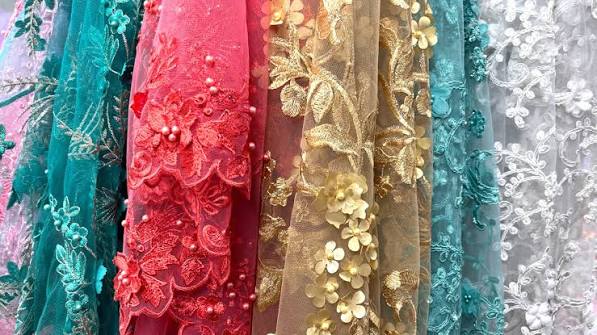
Lace fabric is a decorative textile characterized by open spaces and patterned designs formed by looping, twisting, or knitting threads together without a solid woven background. It is typically made from natural fibers such as cotton or silk, or synthetic fibers such as polyester, nylon, or rayon.
The defining feature of lace fabric is its openwork structure, which creates transparent or semi-transparent patterns often inspired by floral, geometric, or abstract motifs. Depending on the manufacturing method, lace may be handcrafted using needles or bobbins or machine-produced using advanced knitting and embroidery techniques.
Lace fabric is primarily used as an overlay or decorative material rather than a standalone structural fabric, although heavier variants can be used independently in garments or décor items.
Lace fabric is known for its highly detailed and artistic patterns that enhance the visual appeal of garments and décor items. These designs often include floral motifs, vines, geometric shapes, and abstract forms.
2. Lightweight and Delicate Structure
Lace is typically lightweight and airy, making it ideal for layering over other fabrics without adding bulk.
3. Semi-Transparent Appearance
One of its most distinctive features is its see-through or semi-transparent nature, which adds elegance and sophistication to fashion designs.
4. Versatile Material Usage
Lace fabric can be used in a wide variety of applications including:
Wedding dresses
Evening gowns
Blouses
Skirts
Veils
Lingerie
Curtains
Table decorations
Fashion accessories
5. Wide Range of Fiber Options
Lace can be produced using:
Natural fibers (cotton, silk) for softness and luxury
Synthetic fibers (polyester, nylon) for durability and affordability
Blended fibers for balanced performance
6. Decorative Enhancements
Modern lace fabrics may include embellishments such as:
Beads
Sequins
Embroidery
Metallic threads
Corded detailing
Production and Manufacturing Process
Fiber Selection
The production process begins with selecting appropriate fibers based on desired texture, strength, and application.
Yarn Preparation
Fibers are spun into fine yarns suitable for intricate pattern creation.
Pattern Design
Designers create detailed lace patterns, often inspired by floral or geometric motifs.
Lace Formation
Depending on the method, lace is produced using:
Needle lace techniques
Bobbin lace weaving
Machine knitting
Embroidery on mesh base fabrics
Embellishment
Additional decorative elements such as beads, sequins, or embroidery may be applied.
Finishing
The fabric undergoes finishing processes to enhance softness, stability, and appearance.
Dyeing and Coloring
Lace fabric is dyed in various colors depending on fashion requirements.
Quality Inspection
Each roll of lace fabric is inspected for pattern consistency, defects, and structural integrity.
Packaging
Finished lace is rolled and packed carefully to prevent tearing or deformation.
Types of Lace Fabric
1. Chantilly Lace
A delicate and lightweight lace with fine floral patterns, commonly used in luxury fashion.
2. Guipure Lace
A heavier lace with bold motifs and no mesh background, offering a more structured appearance.
3. Alençon Lace
Known for its raised floral designs outlined with corded edges, often used in bridal wear.
4. Crochet Lace
Handmade lace with a rustic and textured appearance.
5. Corded Lace
Lace reinforced with thicker threads to highlight patterns and add depth.
6. Embroidered Lace
Lace created by stitching patterns onto mesh fabric using embroidery techniques.
7. Stretch Lace
Elastic lace used in fitted garments and lingerie.
8. Bridal Lace
High-end lace designed specifically for wedding dresses and ceremonial attire.
Uses of Lace Fabric
Fashion and Apparel
Lace is widely used in clothing design, including:
Wedding gowns
Evening dresses
Tops and blouses
Skirts
Traditional attire
Lingerie and undergarments
Bridal and Ceremonial Wear
Lace is a key material in bridal fashion, used in veils, gowns, and decorative overlays.
Accessories
Lace is used in:
Scarves
Gloves
Hair accessories
Bags
Fashion trims
Home Décor
Lace fabric enhances interior aesthetics in:
Curtains
Tablecloths
Cushion covers
Bed covers
Decorative overlays
Event Decoration
Used in weddings and events for:
Table styling
Chair covers
Stage decoration
Background draping
Benefits of Lace Fabric
1. Elegant Appearance
Lace adds sophistication and beauty to any garment or décor item.
2. Versatile Application
Suitable for fashion, interior design, and accessories.
3. Lightweight Comfort
Comfortable to wear and easy to layer.
4. Design Flexibility
Can be used as full garments or decorative overlays.
5. Wide Market Demand
Highly demanded in bridal fashion and luxury apparel industries.
6. Customization Options
Easily adaptable with embroidery, beads, and design variations.
Packaging and Storage
Lace fabric requires careful handling due to its delicate structure.
Packaging
Rolled packaging to avoid folding damage
Protective plastic wrapping
Moisture-resistant covering
Storage Conditions
Store in dry, cool environments
Avoid direct sunlight exposure
Keep away from sharp objects
Prevent moisture contact
Store rolled rather than folded
Proper storage ensures preservation of texture, pattern clarity, and fabric strength.
Market Demand and Consumer Appeal
The global lace fabric market remains strong due to its continuous demand in fashion, bridal wear, and luxury textile industries. Designers frequently incorporate lace into both traditional and modern styles, making it a timeless fabric choice.
The rise of wedding fashion industries, boutique fashion houses, and custom tailoring services has significantly increased lace consumption. Additionally, its use in interior decoration and event styling has expanded its commercial value.
Emerging markets and online textile trade platforms have further boosted accessibility, making lace fabric widely available to designers, retailers, and consumers worldwide.
Conclusion
Lace fabric is a highly decorative and elegant textile known for its intricate patterns, lightweight structure, and luxurious appearance. It plays a significant role in fashion, bridal wear, accessories, and interior decoration. Produced through both traditional and modern techniques, lace fabric combines artistry with functionality, making it one of the most valued materials in the textile industry. Its timeless beauty, versatility, and strong global demand ensure its continued relevance in both high fashion and everyday design applications.