Detergents are essential cleaning agents widely used in households, industries, institutions, and commercial environments for removing dirt, grease, stains, and impurities from surfaces and fabrics. They are formulated to improve cleaning efficiency by breaking down and dispersing unwanted substances in water, making them easier to wash away.
Unlike simple soaps, detergents are synthetic cleaning agents designed to perform effectively even in hard water conditions. This makes them highly reliable in a wide range of environments where traditional soaps may lose effectiveness due to mineral content in water. Detergents are used in laundry cleaning, dishwashing, industrial cleaning, textile processing, automotive maintenance, and sanitation services.
With increasing hygiene awareness and industrial growth, detergents have become indispensable in maintaining cleanliness, preventing disease, and ensuring proper sanitation standards in both domestic and professional settings.
Product Definition
Detergents are chemical cleaning compounds composed primarily of surfactants and additional functional ingredients that reduce surface tension between water and dirt, allowing contaminants to be lifted and removed effectively.
They are typically formulated using a combination of surfactants, builders, enzymes, bleaching agents, fragrances, optical brighteners, and stabilizers. These components work together to enhance cleaning performance, stain removal, odor control, and fabric care.
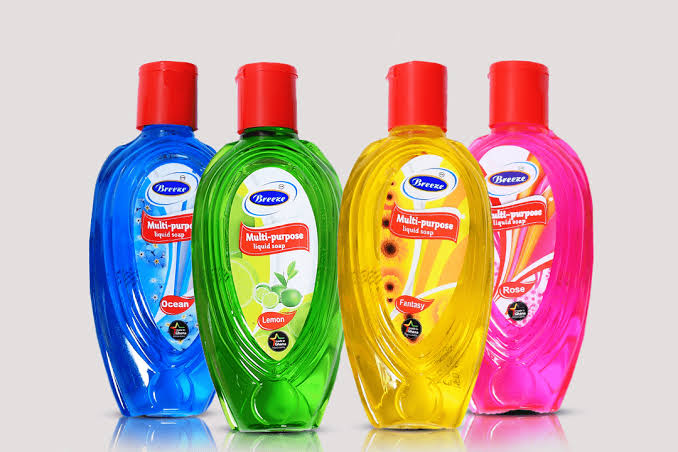
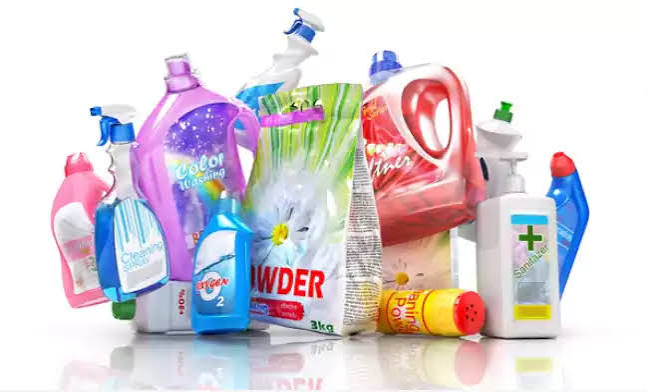
Detergents can exist in various forms such as powders, liquids, gels, pods, tablets, and concentrates, each designed for specific cleaning applications.
Product Specifications
The specifications of detergents vary depending on formulation, usage, and target application. The table below outlines general industrial and consumer detergent specifications.
Present in laundry detergents for whiteness enhancement
Shelf Life
Typically 1–3 years
Packaging Types
Sachets, boxes, bottles, drums, bulk packaging
Storage Conditions
Cool, dry environment away from moisture
Application Areas
Household, industrial, institutional cleaning
Product Features
1. Excellent Cleaning Efficiency
Detergents effectively remove dirt, oil, grease, and stains from various surfaces and fabrics.
2. Effective in Hard Water
Unlike traditional soaps, detergents maintain performance even in mineral-rich hard water.
3. Versatile Formulations
Available in multiple forms such as powder, liquid, gel, and capsules to suit different cleaning needs.
4. Stain Removal Capability
Enzyme-based detergents break down complex stains such as proteins, fats, and starches.
5. Fabric Care Protection
Modern detergents are designed to clean while preserving fabric texture, color, and softness.
6. High Foaming or Low Foaming Options
Different formulations are available depending on whether manual or machine washing is required.
7. Fragrance Enhancement
Detergents often include pleasant fragrances that leave clothes and surfaces smelling fresh.
8. Antibacterial Properties
Some detergents include antimicrobial agents that help reduce germs and bacteria.
Types of Detergents
Laundry Detergents
Used for cleaning clothes and fabrics in both household and industrial laundry systems. They may be powder, liquid, or pod-based.
Dishwashing Detergents
Formulated to remove grease, oil, and food residues from utensils and kitchenware.
Industrial Detergents
Heavy-duty cleaning agents used in factories, workshops, and manufacturing environments to remove tough contaminants.
Liquid Detergents
Highly soluble and convenient detergents suitable for machine and manual washing.
Powder Detergents
Traditional and cost-effective cleaning agents used for general laundry purposes.
Enzyme-Based Detergents
Contain biological enzymes that break down organic stains for deeper cleaning.
Eco-Friendly Detergents
Made from biodegradable ingredients with reduced environmental impact.
Concentrated Detergents
Highly potent formulations requiring smaller doses for effective cleaning.
Uses of Detergents
1. Household Cleaning
Detergents are widely used for washing clothes, cleaning floors, kitchens, bathrooms, and household surfaces.
2. Laundry Services
Commercial laundries rely on detergents for bulk cleaning of garments, linens, uniforms, and textiles.
3. Dishwashing Applications
Used in cleaning utensils, cookware, and kitchen equipment by removing grease and food residues.
4. Industrial Cleaning
Factories and workshops use detergents to clean machinery, equipment, and production areas.
5. Textile Industry
Detergents assist in fabric processing, dyeing preparation, and finishing treatments.
6. Healthcare and Institutions
Hospitals and institutions use detergents for maintaining hygiene and disinfecting surfaces.
7. Automotive Cleaning
Used in washing vehicles, degreasing parts, and cleaning workshops.
8. Hospitality Industry
Hotels and restaurants use detergents for laundry services, kitchen cleaning, and sanitation.
Advantages of Detergents
High Cleaning Performance
Detergents effectively remove a wide range of dirt, stains, and grease.
Works in All Water Types
They remain effective in both hard and soft water conditions.
Cost-Effective Cleaning Solution
Detergents provide efficient cleaning at relatively low cost.
Wide Range of Applications
Suitable for domestic, commercial, and industrial cleaning needs.
Improved Hygiene
Help eliminate dirt, germs, and contaminants, promoting better hygiene.
Easy Availability
Widely accessible in various forms and packaging sizes.
Fabric and Surface Protection
Modern formulations clean without damaging materials.
Environmental Considerations
Modern detergent production increasingly focuses on sustainability and environmental safety. Many manufacturers now produce biodegradable detergents that break down naturally in the environment, reducing pollution and water contamination.
Phosphate-free formulations are also becoming more common to prevent eutrophication in water bodies. Additionally, eco-friendly detergents use plant-based surfactants and renewable raw materials to reduce environmental impact.
Consumers are also encouraged to use detergents responsibly by following recommended dosage instructions to minimize chemical waste and environmental load.
Storage and Handling
Storage Guidelines
Store in a cool, dry place
Keep away from moisture and direct sunlight
Ensure containers are tightly sealed
Avoid contamination with other chemicals
Handling Precautions
Avoid direct contact with eyes and prolonged skin exposure
Use gloves when handling industrial quantities
Do not ingest or inhale detergent powders
Keep out of reach of children
Transportation
Transport in sealed, labeled packaging
Protect from moisture and damage
Follow safety regulations for chemical products
Market Demand and Industry Importance
Detergents represent one of the largest and most essential segments of the global cleaning products industry. Their demand continues to grow due to increasing urbanization, rising hygiene awareness, expansion of the hospitality sector, and industrial development.
The industry is also experiencing rapid innovation, including enzyme-based cleaning systems, concentrated formulations, and environmentally sustainable products. As hygiene standards continue to rise globally, detergents will remain a critical necessity in both domestic and industrial environments.
Conclusion
Detergents are indispensable cleaning agents that play a vital role in maintaining hygiene, cleanliness, and sanitation across households, industries, and institutions. Their advanced formulations allow effective removal of dirt, grease, and stains while remaining efficient in different water conditions.
With continuous innovation and increasing focus on environmental sustainability, detergents continue to evolve into more efficient, eco-friendly, and specialized cleaning solutions. Their versatility, affordability, and effectiveness ensure they remain one of the most important consumer and industrial products in modern society.