Liquid soap is a modern hygiene and cleaning product formulated in liquid form for washing hands, body, utensils, and various surfaces. It is designed to remove dirt, grease, microbes, and impurities while maintaining skin comfort and cleanliness. Compared to traditional bar soaps, liquid soap offers improved convenience, better hygiene control, and enhanced formulation flexibility, making it a preferred choice in households, hospitals, hotels, schools, and industrial environments.
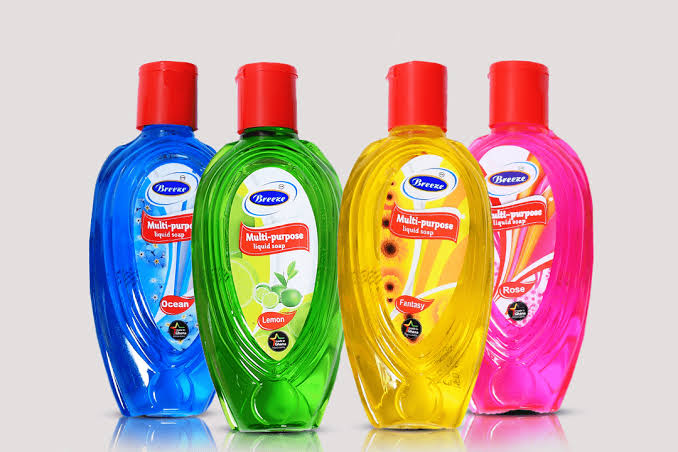
Liquid soap is typically packaged in bottles, refill pouches, dispensers, and bulk containers for commercial use. It is widely appreciated for its ease of application, controlled dispensing, and ability to incorporate additional functional ingredients such as moisturizers, antibacterial agents, fragrances, and skin-conditioning compounds.
With increasing global awareness of hygiene and sanitation, liquid soap has become an essential daily-use product in both domestic and professional environments. Its importance has further grown in public health systems where hand hygiene plays a critical role in preventing disease transmission.
Product Definition
Liquid soap is a water-based cleansing formulation made from surfactants, emulsifiers, stabilizers, fragrances, and optional active ingredients that work together to remove dirt, oils, and microorganisms from the skin or surfaces.
It functions by reducing surface tension between water and contaminants, allowing them to be lifted away and rinsed off easily. Liquid soap can be formulated for different applications, including hand washing, body cleansing, dishwashing, and industrial cleaning.
Unlike bar soap, liquid soap is less prone to contamination from shared usage and can be dispensed in controlled amounts, improving hygiene standards.
Product Specifications
The specifications of liquid soap vary depending on formulation and intended use. The table below outlines common characteristics of commercial liquid soap products.
Specification
Description
Product Name
Liquid Soap
Product Type
Personal and Surface Cleaning Product
Physical Form
Viscous liquid
Color
Transparent, translucent, or colored formulations
Odor
Mild fragrance, floral, citrus, or fragrance-free
pH Level
Typically 5.5–9 depending on application
Active Ingredients
Surfactants (anionic, nonionic, amphoteric)
Viscosity
Low to medium to high depending on formulation
Solubility
Fully water-soluble
Foam Level
Low, medium, or high foaming variants
Moisturizing Agents
Glycerin, aloe vera, vitamin E (optional)
Antibacterial Agents
May include triclosan alternatives or natural antimicrobials
Shelf Life
Typically 1–3 years
Packaging Types
Bottles, refill pouches, dispensers, drums
Storage Conditions
Cool, dry environment away from sunlight
Application Areas
Hand washing, body cleansing, dishwashing, surface cleaning
Product Features
1. Effective Cleansing Action
Liquid soap efficiently removes dirt, oil, grease, and microorganisms from skin and surfaces.
2. Hygienic Dispensing
Pump bottles and dispensers reduce contamination risks compared to shared bar soaps.
3. Skin-Friendly Formulations
Many liquid soaps include moisturizers that help prevent dryness and maintain skin softness.
4. Versatile Usage
Can be used for hand washing, bathing, dish cleaning, and general sanitation purposes.
5. Controlled Usage
Liquid form allows precise dispensing, reducing product waste and improving efficiency.
6. Pleasant Fragrance Options
Available in multiple fragrances that leave a fresh and clean scent after use.
7. Antibacterial Protection
Some formulations include antibacterial agents that help reduce microbial presence on skin and surfaces.
8. Easy Solubility and Rinsing
Liquid soap dissolves easily in water and rinses off without leaving residue.
Types of Liquid Soap
Hand Wash Liquid Soap
Specifically formulated for frequent hand washing, often containing antibacterial and moisturizing agents.
Body Wash (Shower Gel)
Designed for bathing and skin cleansing with added skin-conditioning ingredients.
Dishwashing Liquid Soap
Formulated to remove grease and food residues from utensils and kitchenware.
Antibacterial Liquid Soap
Contains antimicrobial agents for enhanced hygiene protection in healthcare and public environments.
Industrial Liquid Soap
Heavy-duty formulations used in factories, workshops, and commercial cleaning operations.
Herbal or Natural Liquid Soap
Made with plant-based ingredients such as aloe vera, neem, or essential oils for gentle cleansing.
Fragrance-Free Liquid Soap
Designed for sensitive skin or medical environments where additives are minimized.
Uses of Liquid Soap
1. Household Hygiene
Liquid soap is widely used for hand washing, bathing, and general cleaning in homes.
2. Healthcare Facilities
Hospitals, clinics, and laboratories use liquid soap for maintaining strict hygiene and infection control.
3. Hospitality Industry
Hotels, restaurants, and guest facilities use liquid soap for guest hygiene and sanitation services.
4. Educational Institutions
Schools and universities provide liquid soap in washrooms to promote hand hygiene among students.
5. Food Industry
Used for maintaining cleanliness in food preparation areas and preventing contamination.
6. Commercial Buildings
Offices and public facilities install liquid soap dispensers for staff and visitor hygiene.
7. Industrial Cleaning
Used in workshops and factories for cleaning hands, tools, and light surface contamination.
8. Personal Care
Used daily for bathing, handwashing, and maintaining personal cleanliness routines.
Advantages of Liquid Soap
Improved Hygiene
Reduces contamination risks by eliminating shared contact surfaces.
Gentle on Skin
Modern formulations are designed to clean effectively without excessive drying.
Easy to Use
Pump dispensers make application simple, fast, and convenient.
Cost-Effective in the Long Term
Controlled dispensing reduces wastage and improves product efficiency.
Versatile Applications
Suitable for personal, household, and industrial cleaning purposes.
Enhanced User Experience
Available in attractive fragrances, textures, and moisturizing formulations.
Better Storage and Handling
Liquid form is easier to store, transport, and use in controlled environments.
Environmental Considerations
Modern liquid soap production increasingly focuses on environmental sustainability. Many manufacturers now use biodegradable surfactants and eco-friendly raw materials that break down naturally in wastewater systems.
Efforts are also being made to reduce plastic waste through refill packaging systems and recyclable containers. Additionally, phosphate-free and paraben-free formulations are becoming more common to reduce environmental impact and improve consumer safety.
Consumers are encouraged to use appropriate quantities to minimize waste and environmental load while maintaining effective hygiene practices.
Storage and Handling
Storage Guidelines
Store in a cool, dry place
Keep away from direct sunlight and heat sources
Ensure containers are tightly sealed
Avoid contamination with foreign substances
Handling Precautions
Avoid contact with eyes (rinse immediately if contact occurs)
Keep out of reach of children
Do not ingest the product
Use appropriate hygiene practices during application
Transportation
Transport in sealed and labeled containers
Protect from leakage and physical damage
Follow standard safety and handling regulations
Market Demand and Industry Importance
Liquid soap is one of the fastest-growing segments in the global personal care and hygiene industry. Rising awareness of hand hygiene, increased urbanization, and growing demand for convenient cleaning solutions have significantly boosted its market presence.
The COVID-19 pandemic further accelerated global demand for liquid soap, establishing it as a critical hygiene product in homes, workplaces, and public facilities. Today, it remains a key product in health promotion and disease prevention strategies worldwide.
Innovation in natural formulations, antibacterial technologies, and eco-friendly packaging continues to drive growth in the liquid soap industry.
Conclusion
Liquid soap is an essential hygiene product widely used for cleaning hands, body, dishes, and surfaces across domestic, commercial, and industrial environments. Its liquid form offers superior convenience, improved hygiene control, and versatile applications compared to traditional bar soaps.
With continued advancements in formulation technology and increasing emphasis on health and environmental sustainability, liquid soap remains a vital product in modern hygiene practices. Its effectiveness, ease of use, and broad applicability ensure its continued importance in everyday life and public health systems worldwide.