Ebony wood is one of the world’s most prized and luxurious hardwoods, renowned for its deep black coloration, exceptional density, smooth texture, and remarkable durability. It has been valued for centuries in fine woodworking, musical instrument production, sculpture, decorative art, luxury furniture, and high-end craftsmanship. Due to its rarity and striking appearance, ebony wood is considered a premium timber species in international markets.
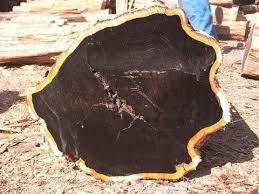
Ebony is harvested from slow-growing tropical hardwood trees found primarily in Africa and Asia. Its rich dark heartwood, often nearly black in color, gives it a distinctive elegance that makes it highly desirable for decorative and artistic applications. The wood’s hardness, fine grain, and polishing qualities further contribute to its status as a prestigious material for skilled craftsmanship.
Because of its high value and limited availability, ebony wood is carefully managed under forestry regulations and conservation programs to encourage sustainable harvesting and responsible trade.
Definition of Ebony Wood
Ebony wood is a dense tropical hardwood obtained from ebony tree species and processed into timber products used in luxury woodworking, musical instruments, carving, and decorative applications.
Ebony wood is characterized by its dark coloration, heavy density, and smooth finishing qualities.
Types of Ebony Wood
1. African Ebony
Deep black coloration
Extremely dense and durable
Widely used in luxury woodworking and instrument making
2. Ceylon Ebony
Premium ebony species with fine texture and dark heartwood
Common in decorative arts and high-end furniture
3. Makassar Ebony
Distinctive striped appearance with black and brown streaks
Popular in decorative veneers and luxury interiors
4. Gaboon Ebony
Known for uniform black color and fine grain
Frequently used for musical instruments
Physical Characteristics of Ebony Wood
Ebony wood possesses several unique physical properties:
Deep black or dark brown coloration
Very fine and smooth texture
Extremely high density and hardness
Fine, close grain structure
Excellent polishing capability
Exceptional durability and wear resistance
These qualities make ebony one of the most valuable hardwoods globally.
Harvesting and Processing Procedure
The production of ebony wood involves specialized forestry and timber processing methods:
1. Forest Management
Ebony trees are managed under controlled forestry systems.
2. Tree Selection
Only mature trees with high-quality heartwood are selected.
3. Harvesting
Trees are carefully felled to minimize waste and environmental impact.
4. Log Preparation
Trunks are cut into manageable sections for transport.
5. Sawmilling
Logs are processed into lumber, blocks, veneers, or specialty cuts.
6. Drying and Seasoning
Wood is slowly dried to reduce cracking and preserve quality.
7. Finishing and Grading
Ebony is graded according to color, density, and grain quality.
Tabulated Specification of Ebony Wood
Specification
Details
Product Name
Ebony Wood
Scientific Sources
Diospyros crassiflora, Diospyros ebenum
Product Type
Premium tropical hardwood
Wood Color
Deep black to dark brown
Grain Pattern
Fine and close-grained
Texture
Smooth and fine
Density
Extremely high density
Durability
Excellent
Hardness
Very hard and heavy
Processing Forms
Lumber, veneer, carving blocks, instrument blanks
Main Applications
Furniture, instruments, carving, decorative art
Polishing Capability
Excellent high-gloss finish
Storage Conditions
Dry, ventilated timber storage areas
Traceability
Forestry and legal sourcing documentation
Uses of Ebony Wood
Ebony wood is used in many luxury and specialized industries:
1. Musical Instrument Manufacturing
Used in:
Piano keys
Guitar fingerboards
Violin fittings
Woodwind instruments
Its density and smooth finish make it ideal for precision instruments.
2. Luxury Furniture
Used in:
Cabinets
Decorative tables
High-end interior furniture
Artistic wood inlays
3. Carving and Sculpture
Popular for:
Fine carvings
Sculptures
Chess pieces
Decorative art objects
4. Veneer Production
Thin ebony veneers are used in luxury interiors and decorative paneling.
5. Jewelry and Decorative Accessories
Used for:
Knife handles
Jewelry boxes
Luxury accessories
Handcrafted items
Advantages of Ebony Wood
1. Exceptional Beauty
Its dark coloration creates a luxurious and elegant appearance.
2. High Durability
Ebony resists wear, decay, and long-term use.
3. Superior Finish Quality
Can achieve an extremely smooth and polished surface.
4. Strength and Density
Its hardness supports precision applications.
5. Prestige and Value
Ebony is considered one of the most prestigious hardwoods worldwide.
Economic Importance
Ebony wood contributes significantly to specialty timber industries by:
Supporting luxury woodworking sectors
Generating export revenue
Creating employment in forestry and artisanal industries
Supplying premium materials for musical instruments and fine crafts
Enhancing value-added timber production
Due to its rarity, ebony commands high prices in international markets.
Environmental Considerations
Responsible ebony production requires:
Sustainable forest management practices
Protection of endangered tree populations
Legal harvesting and trade compliance
Reforestation and conservation efforts
Certified timber sourcing systems
Many ebony species are protected under international conservation regulations.
Storage and Handling Guidelines
To maintain wood quality:
Store in dry, controlled environments
Prevent excessive moisture exposure
Use careful drying methods to avoid cracking
Protect surfaces from mechanical damage
Apply suitable finishes when necessary
Proper handling preserves the wood’s appearance and structural integrity.
Quality Control Standards
High-quality ebony wood must meet:
Color uniformity standards
Minimal cracking and defects
Proper moisture content levels
Density and hardness specifications
Legal sourcing and traceability requirements
Export and conservation compliance standards
Conclusion
Ebony wood is one of the most prestigious and luxurious hardwoods in the world, valued for its deep black coloration, exceptional hardness, fine texture, and remarkable durability. Harvested from species such as Diospyros crassiflora, Diospyros ebenum, and Diospyros celebica, ebony wood serves as a premium material for musical instruments, luxury furniture, fine carving, and decorative craftsmanship.
Its rarity, beauty, and superior finishing qualities make it highly desirable in global specialty timber markets. As sustainable forestry and conservation practices continue to grow in importance, responsibly sourced ebony wood remains a treasured natural resource for artisans, manufacturers, and luxury industries worldwide.
In essence, ebony wood is not just hardwood timber—it is a symbol of craftsmanship, elegance, durability, and artistic excellence in fine woodworking and luxury design.