Iroko wood is a durable tropical hardwood widely valued for its strength, attractive appearance, resistance to decay, and versatility in construction and woodworking applications. Often referred to as “African teak” because of its similar durability and performance characteristics, iroko wood is commonly used in furniture manufacturing, flooring, boat building, interior joinery, outdoor structures, and high-quality carpentry projects.
Native to tropical regions of Africa, iroko has become an important commercial hardwood species in global timber markets due to its long service life, moderate maintenance requirements, and ability to withstand harsh environmental conditions. The wood’s natural oils and dense structure contribute to its resistance against termites, fungi, moisture, and weathering.
Iroko wood is harvested from sustainably managed forests and processed into logs, planks, boards, veneers, and finished wood products for domestic and international markets.
Definition of Iroko Wood
Iroko wood is a tropical hardwood obtained from mature iroko trees and processed into timber products used in construction, furniture production, and industrial woodworking.
The primary iroko species used commercially include:
Milicia excelsa Milicia regia
Iroko timber is recognized for its durability, stability, and attractive golden to brown coloration.
Types of Iroko Wood Products
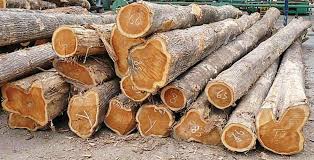
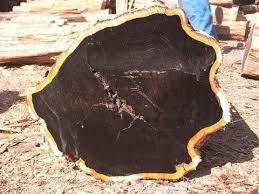
1. Iroko Logs
Raw timber sections used for milling and industrial processing.
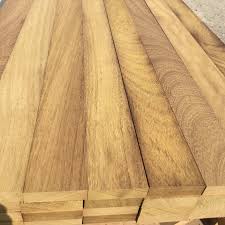
2. Iroko Lumber
Processed boards and planks for construction and furniture making.
3. Iroko Veneer
Thin decorative sheets used for luxury interiors and paneling.
4. Outdoor Iroko Timber
Specially prepared timber for exterior applications such as decking and garden furniture.
5. Marine-Grade Iroko
Selected timber for boat building and water-resistant applications.
Physical Characteristics of Iroko Wood
Iroko wood possesses several desirable characteristics:
Golden-yellow to medium brown coloration
Interlocked or straight grain pattern
Medium to coarse texture
High natural durability
Excellent resistance to insects and decay
Good dimensional stability
Over time, iroko wood may darken slightly with age and exposure.
Harvesting and Processing Procedure
The production of iroko wood involves several forestry and industrial stages:
1. Forest Management
Trees are managed under forestry regulations and sustainability programs.
2. Tree Selection
Mature trees with appropriate size and quality are identified.
3. Harvesting
Trees are carefully felled using professional logging equipment.
4. Log Preparation
Branches are removed and trunks are cut into transportable sections.
5. Sawmilling
Logs are processed into boards, planks, or veneers.
6. Drying and Seasoning
Timber is air-dried or kiln-dried to reduce moisture content.
7. Grading and Finishing
Wood is graded according to quality, grain, and intended use.
Tabulated Specification of Iroko Wood
Specification
Details
Product Name
Iroko Wood
Scientific Sources
Milicia excelsa, Milicia regia
Product Type
Tropical hardwood timber
Wood Color
Golden-yellow to medium brown
Grain Pattern
Straight or interlocked
Texture
Medium to coarse
Density
Medium to high density hardwood
Durability
Very durable
Resistance Properties
Resistant to termites, fungi, and decay
Processing Forms
Logs, planks, lumber, veneer
Main Applications
Furniture, flooring, construction, marine uses
Workability
Good machining and finishing properties
Storage Conditions
Dry and ventilated timber storage
Traceability
Forestry and harvest documentation
Uses of Iroko Wood
Iroko wood is widely used across many industries:
1. Furniture Manufacturing
Used to produce:
Tables
Chairs
Cabinets
Beds
Decorative furniture
2. Flooring
Highly suitable for:
Hardwood flooring
Decking
Staircases
3. Construction and Joinery
Applied in:
Doors and windows
Roofing structures
Interior paneling
Structural woodwork
4. Marine and Boat Building
Its moisture resistance makes it ideal for:
Boat decking
Marine interiors
Dock construction
5. Outdoor Applications
Used in:
Garden furniture
Pergolas
Fencing
Outdoor structures
Advantages of Iroko Wood
1. Excellent Durability
Iroko performs well in demanding environments.
2. Natural Resistance
Highly resistant to insects, fungi, and weathering.
3. Attractive Appearance
Its warm golden-brown tones provide aesthetic appeal.
4. Low Maintenance
Requires relatively little maintenance compared to many hardwoods.
5. Versatile Applications
Suitable for both indoor and outdoor use.
Economic Importance
Iroko wood contributes significantly to timber industries by:
Supporting furniture and woodworking sectors
Generating export revenue
Creating employment in forestry and manufacturing industries
Supplying durable hardwood materials for construction projects
Supporting sustainable forest economies in producing regions
Iroko remains an important commercial hardwood species in international markets.
Environmental Considerations
Sustainable iroko production involves:
Responsible forest management
Reforestation and conservation programs
Compliance with legal harvesting regulations
Protection of biodiversity and tropical ecosystems
Sustainable timber certification practices
Environmentally responsible sourcing is increasingly important in global timber trade.
Storage and Handling Guidelines
To maintain timber quality:
Store in dry, ventilated areas
Protect from excessive moisture exposure
Avoid direct contact with soil
Use proper stacking techniques to prevent warping
Apply protective finishes where necessary
Correct storage helps preserve structural and aesthetic properties.
Quality Control Standards
High-quality iroko wood must meet:
Timber grading standards
Moisture content requirements
Dimensional accuracy specifications
Minimal defects and cracking
Sustainable sourcing and traceability standards
Export and forestry compliance regulations
Conclusion
Iroko wood is a premium tropical hardwood valued for its durability, weather resistance, versatility, and attractive appearance. Harvested from species such as Milicia excelsa and Milicia regia, iroko timber is widely used in furniture manufacturing, construction, flooring, marine applications, and outdoor structures.
Its natural resistance to decay, insects, and environmental conditions makes it a reliable and long-lasting material for both residential and commercial projects. As sustainable forestry practices continue to expand, responsibly sourced iroko wood remains an important resource in the global hardwood industry.
In essence, iroko wood is not just hardwood timber—it is a durable, elegant, and versatile natural material that combines strength, beauty, and long-term performance in woodworking and construction industries worldwide.