
Fast delivery within 72 Hours

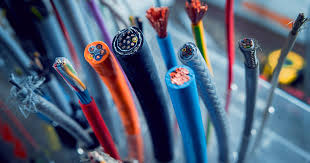
Electrical cables
Contact Supplier
Supplier: goldensnake954Phone: +16538653666
Email: kafax29079@dysonc.com
Address: 7079 W Sherman Dr Cary, United States
Visit Supplier Store

Black Friday Blowout!
Description
Electrical Cables: Comprehensive Product Description
Introduction
Electrical cables are among the most essential components of modern electrical and communication systems. They serve as the primary medium for transmitting electrical power, signals, and data from one point to another, enabling the operation of residential buildings, commercial establishments, industrial facilities, transportation networks, and telecommunications infrastructure. Without electrical cables, the efficient distribution and utilization of electricity would be impossible.
As global demand for reliable power and communication networks continues to grow, the importance of high-quality electrical cables has become increasingly significant. Modern electrical cables are designed to provide safe, efficient, and durable performance under various environmental and operational conditions. They are manufactured using advanced conductive materials, insulation technologies, and protective sheathing to ensure long-term reliability and safety.
Electrical cables are available in a wide range of sizes, voltage ratings, conductor types, and configurations to suit different applications. From powering household appliances and lighting systems to supporting large industrial machinery and high-voltage transmission networks, electrical cables form the backbone of electrical infrastructure worldwide.
This comprehensive product description explores the definition, specifications, features, applications, advantages, and significance of electrical cables in today’s interconnected world.
Product Definition
An electrical cable is a conductor or group of conductors enclosed within protective insulation and outer sheathing, designed to transmit electrical energy, signals, or data between electrical devices, equipment, and systems. The conductors are typically made from highly conductive materials such as copper or aluminum, while the insulation protects against electrical leakage, short circuits, and environmental damage.
Electrical cables are engineered to safely carry electrical current at specified voltage and current levels while maintaining efficiency, durability, and compliance with international safety standards. Depending on their intended application, cables may be used for power distribution, control systems, instrumentation, telecommunications, or specialized industrial processes.
Product Specifications
The following table outlines the typical specifications of electrical cables. Actual specifications may vary depending on cable type, manufacturer, and application requirements.
| Specification | Description |
|---|---|
| Product Name | Electrical Cable |
| Function | Transmission of electrical power, signals, or data |
| Conductor Material | Copper or Aluminum |
| Conductor Type | Solid, Stranded, Flexible |
| Insulation Material | PVC, XLPE, Rubber, PE, LSZH |
| Voltage Rating | 300V – 500kV and above |
| Frequency | 50 Hz / 60 Hz |
| Core Configuration | Single-Core, Multi-Core |
| Conductor Size | 0.5 mm² – 1000 mm² and above |
| Operating Temperature | -20°C to +90°C or higher |
| Sheath Material | PVC, PE, XLPE, LSZH |
| Fire Resistance | Available depending on cable type |
| Flame Retardancy | Optional flame-retardant construction |
| Armoring Type | Steel Wire, Steel Tape, Aluminum Armor |
| Installation Method | Indoor, Outdoor, Underground, Overhead |
| Color Coding | Standardized identification system |
| Compliance Standards | IEC, BS, ASTM, ISO, IEEE |
| Durability | High resistance to wear and environmental conditions |
| Service Life | Typically 20–40 years |
| Application Areas | Residential, Commercial, Industrial, Utility |
Key Features
1. Excellent Electrical Conductivity
Electrical cables utilize high-purity copper or aluminum conductors to ensure efficient current transmission with minimal energy loss. This enhances system performance and reduces operational costs.
2. Superior Insulation Protection
Modern insulation materials provide excellent electrical resistance, preventing current leakage, short circuits, and accidental contact with live conductors.
3. High Mechanical Strength
Electrical cables are designed to withstand pulling forces, bending, vibration, and physical impact during installation and operation.
4. Long Service Life
Premium-quality materials and manufacturing processes contribute to extended operational life, reducing maintenance and replacement costs.
5. Fire Safety Performance
Many cable designs incorporate flame-retardant and fire-resistant properties to improve safety and reduce fire risks in buildings and industrial facilities.
6. Environmental Resistance
Electrical cables can be manufactured with resistance to moisture, chemicals, ultraviolet radiation, oils, and extreme temperatures, making them suitable for harsh environments.
7. Flexible Installation Options
Flexible cable designs facilitate installation in confined spaces, complex routing systems, and applications requiring frequent movement.
8. Low Energy Loss
Advanced conductor technology minimizes resistance and energy loss during power transmission, improving overall system efficiency.
9. Wide Voltage Range
Electrical cables are available for low-voltage, medium-voltage, and high-voltage applications, ensuring suitability for diverse electrical systems.
10. Compliance with International Standards
High-quality cables are manufactured according to internationally recognized standards, ensuring safety, reliability, and consistent performance.
Types of Electrical Cables
Power Cables
Power cables are designed for the transmission and distribution of electrical energy.
Characteristics:
- High current-carrying capacity
- Durable insulation
- Suitable for residential, commercial, and industrial installations
Applications:
- Building wiring
- Power distribution networks
- Industrial power systems
Control Cables
Control cables transmit signals used for controlling machinery and automated systems.
Characteristics:
- Multi-core construction
- Flexible design
- Reliable signal transmission
Applications:
- Industrial automation
- Manufacturing equipment
- Process control systems
Instrumentation Cables
Instrumentation cables carry low-voltage signals for monitoring and measurement systems.
Characteristics:
- High signal integrity
- Electromagnetic shielding
- Low interference levels
Applications:
- Process industries
- Monitoring equipment
- Measurement systems
Armored Cables
Armored cables include protective metal layers to enhance mechanical protection.
Characteristics:
- High durability
- Impact resistance
- Suitable for underground installation
Applications:
- Industrial facilities
- Underground networks
- Outdoor installations
Flexible Cables
Flexible cables are designed for applications requiring movement and repeated bending.
Characteristics:
- Fine stranded conductors
- Excellent flexibility
- Long bending life
Applications:
- Portable equipment
- Robotics
- Moving machinery
Communication Cables
Communication cables transmit data, voice, and video signals.
Characteristics:
- High-speed transmission
- Signal protection
- Low attenuation
Applications:
- Telecommunications
- Computer networks
- Internet infrastructure
Applications of Electrical Cables
Residential Buildings
Electrical cables are extensively used in homes for power distribution and appliance connectivity.
Common Uses:
- Lighting systems
- Power outlets
- Air conditioning systems
- Kitchen appliances
- Security systems
Commercial Facilities
Commercial buildings require extensive cable networks to support daily operations.
Applications:
- Office power systems
- Retail establishments
- Hotels
- Educational institutions
- Healthcare facilities
Industrial Plants
Industrial facilities depend on heavy-duty cables to power machinery and manufacturing processes.
Uses:
- Production equipment
- Motors and drives
- Control systems
- Automation networks
Power Generation Facilities
Power stations use specialized cables to transmit generated electricity efficiently.
Applications:
- Generator connections
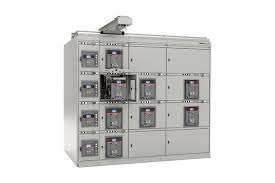
- Switchgear systems
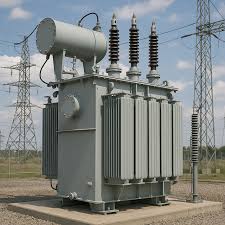
- Transformer installations
Utility Transmission and Distribution Networks
Electrical cables form an essential part of power transmission and distribution infrastructure.
Benefits:
- Reliable electricity delivery
- Reduced transmission losses
- Enhanced network stability
Renewable Energy Systems
Renewable energy projects rely on durable cables for efficient energy transfer.
Applications:
- Solar power installations
- Wind farms
- Hydroelectric facilities
- Battery storage systems
Transportation Infrastructure
Transportation systems require extensive electrical cabling for operation and safety.
Applications:
- Railways
- Airports
- Seaports
- Traffic management systems
Telecommunications Networks
Communication systems depend on specialized cables for data transmission.
Uses:
- Telephone networks
- Internet services
- Broadcasting systems
- Data centers
Mining Operations
Mining environments require robust cables capable of operating under demanding conditions.
Applications:
- Heavy equipment
- Underground power systems
- Processing plants
Healthcare Facilities
Hospitals use electrical cables to support critical medical equipment and infrastructure.
Applications:
- Diagnostic equipment
- Life-support systems
- Emergency power systems
- Communication networks
Benefits of Electrical Cables
Reliable Power Transmission
Electrical cables provide safe and efficient delivery of electricity to various systems and equipment.
Enhanced Safety
Proper insulation and protective sheathing reduce electrical hazards and improve operational safety.
Energy Efficiency
High-quality conductors minimize resistance and power losses, improving system efficiency.
Long-Term Durability
Electrical cables are designed for years of dependable performance under diverse operating conditions.
Versatility
Available in numerous configurations, electrical cables can be adapted to virtually any application.
Cost-Effective Performance
Durable construction and low maintenance requirements contribute to reduced lifecycle costs.
Environmental Protection
Modern cable materials support sustainable practices through improved efficiency and recyclability.
Compliance and Reliability
Manufactured according to international standards, electrical cables deliver consistent and dependable performance.
Maintenance Considerations
To ensure maximum performance and longevity, electrical cable systems should be inspected regularly.
Recommended Maintenance Practices
- Visual inspection for damage
- Insulation testing
- Connection tightening
- Thermal monitoring
- Moisture protection checks
- Load verification
- Corrosion assessment
- Periodic replacement of damaged sections
Routine maintenance helps prevent electrical failures and enhances system safety.
Conclusion
Electrical cables are fundamental components of modern electrical and communication infrastructure, enabling the safe and efficient transmission of power, signals, and data across countless applications. Their role extends from residential wiring and commercial installations to industrial facilities, utility networks, renewable energy systems, transportation infrastructure, and telecommunications networks.
With advancements in conductor technology, insulation materials, fire resistance, and environmental protection, modern electrical cables offer exceptional reliability, safety, durability, and efficiency. Their versatility and long service life make them indispensable assets in both small-scale and large-scale electrical systems.
As the demand for energy, connectivity, and technological advancement continues to increase worldwide, electrical cables will remain a critical foundation for supporting sustainable development, economic growth, and modern living. Investing in high-quality electrical cables ensures dependable performance, enhanced safety, and long-term value across a wide range of applications.