

Fast delivery within 72 Hours

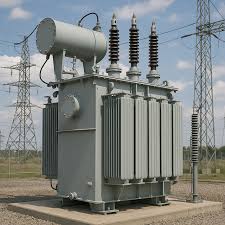
Transformers
Contact Supplier
Supplier: goldensnake954Phone: +16538653666
Email: kafax29079@dysonc.com
Address: 7079 W Sherman Dr Cary, United States
Visit Supplier Store

Black Friday Blowout!
Description
Transformers: Comprehensive Product Description
Introduction
In today’s electrically driven world, the efficient transmission and distribution of electrical energy are essential for powering industries, commercial establishments, public infrastructure, and residential communities. One of the most critical components in any electrical power system is the transformer. Without transformers, the large-scale generation, transmission, and utilization of electricity would be impractical and inefficient.
Transformers are electrical devices designed to transfer electrical energy between circuits through electromagnetic induction while changing voltage levels as required. They play a fundamental role in power generation plants, transmission networks, substations, industrial facilities, renewable energy systems, and countless electrical applications. By increasing voltage for long-distance transmission and reducing voltage for safe utilization, transformers help minimize power losses and improve the efficiency of electrical systems.
Modern transformers are engineered using advanced insulation systems, high-quality magnetic cores, efficient cooling technologies, and intelligent monitoring systems. These features ensure reliable performance, energy efficiency, operational safety, and long service life. Available in a wide range of capacities and configurations, transformers are designed to meet diverse power requirements across different industries and environments.
This product description provides a comprehensive overview of transformers, their specifications, features, applications, advantages, and significance in modern electrical infrastructure.
Product Definition
A transformer is a static electrical device that transfers electrical energy from one circuit to another through electromagnetic induction while maintaining the same frequency. Its primary function is to increase (step-up) or decrease (step-down) voltage levels to facilitate efficient power transmission and safe distribution.
Transformers operate based on the principle that a changing magnetic field produced by alternating current in one winding induces a voltage in another winding. This process allows electrical energy to be transferred without direct electrical connection between the circuits.
Transformers are widely used in power generation, transmission, distribution, industrial operations, renewable energy installations, and electronic equipment to regulate voltage levels and ensure efficient energy delivery.
Product Specifications
The following table outlines the typical specifications of modern transformers. Actual specifications may vary depending on design, capacity, manufacturer, and application requirements.
| Specification | Description |
|---|---|
| Product Name | Electrical Transformer |
| Function | Voltage transformation and power transfer |
| Transformer Type | Distribution, Power, Isolation, Instrument, Auto Transformer |
| Rated Capacity | 10 kVA – 1000 MVA+ |
| Input Voltage | Customized according to application |
| Output Voltage | Customized according to application |
| Frequency | 50 Hz / 60 Hz |
| Phase Type | Single Phase or Three Phase |
| Core Material | Silicon Steel or Amorphous Metal Core |
| Winding Material | Copper or Aluminum |
| Cooling Method | ONAN, ONAF, OFAF, Air-Cooled |
| Insulation Class | Class A, B, F, H |
| Efficiency | Up to 99% |
| Voltage Regulation | Low voltage variation under load |
| Mounting Type | Pole-Mounted, Pad-Mounted, Indoor, Outdoor |
| Protection Class | IP Rated Enclosures Available |
| Operating Temperature | Designed for varying climatic conditions |
| Noise Level | Low operational noise |
| Monitoring System | Analog or Digital Monitoring |
| Service Life | Typically 25–40 years with proper maintenance |
| Standards Compliance | IEC, ANSI, IEEE, ISO Standards |
Key Features
1. Efficient Voltage Conversion
Transformers efficiently convert voltage levels according to system requirements. They enable high-voltage transmission and low-voltage utilization while minimizing energy losses.
2. High Energy Efficiency
Modern transformers are designed with low-loss magnetic cores and optimized winding configurations, ensuring maximum energy transfer efficiency.
3. Robust Construction
Built using high-quality steel cores, durable insulation materials, and precision-engineered windings, transformers are designed for long-term reliable operation.
4. Low Maintenance Requirements
Most transformers require minimal maintenance, making them cost-effective solutions for power distribution and industrial applications.
5. Superior Electrical Isolation
Isolation transformers provide electrical separation between circuits, improving safety and protecting sensitive equipment from electrical disturbances.
6. Advanced Cooling Systems
Transformers utilize air cooling, oil cooling, or forced cooling systems to maintain optimal operating temperatures and enhance performance.
7. Reliable Continuous Operation
Designed for uninterrupted service, transformers can operate continuously under varying load conditions while maintaining stable performance.
8. Flexible Installation Options
Transformers are available in indoor, outdoor, pole-mounted, pad-mounted, and skid-mounted configurations to suit diverse installation requirements.
9. Enhanced Safety Features
Modern transformers include protective devices such as temperature sensors, pressure relief valves, surge protection systems, and monitoring equipment.
10. Long Service Life
With proper maintenance and operating conditions, transformers can provide reliable service for several decades.
Types of Transformers
Power Transformers
Power transformers are used in generation and transmission networks to transfer large amounts of electrical power at high voltages.
Characteristics:
- High efficiency
- Large power ratings
- Continuous operation
- Suitable for transmission substations
Distribution Transformers
Distribution transformers reduce transmission voltages to levels suitable for residential, commercial, and industrial consumers.
Characteristics:
- Medium and low power ratings
- High reliability
- Energy-efficient operation
- Widely used in utility networks
Isolation Transformers
Isolation transformers electrically separate input and output circuits to improve safety and reduce electrical noise.
Characteristics:
- Enhanced protection
- Reduced interference
- Improved equipment safety
Auto Transformers
Auto transformers use a single winding to provide voltage transformation efficiently and economically.
Characteristics:
- Compact design
- Lower cost
- High efficiency
- Reduced material requirements
Instrument Transformers
Instrument transformers are used for measurement and protection purposes in electrical systems.
Types:
- Current Transformers (CTs)
- Voltage Transformers (VTs)
- Potential Transformers (PTs)
Applications of Transformers
Power Generation Stations
Transformers are essential in power plants for increasing generated voltage before electricity enters transmission networks.
Uses:
- Voltage step-up operations
- Grid integration
- Power transfer efficiency
Electrical Transmission Networks
High-voltage transmission systems rely on transformers to minimize energy losses over long distances.
Benefits:
- Reduced transmission losses
- Improved grid performance
- Enhanced energy efficiency
Electrical Distribution Systems
Transformers lower transmission voltages to safe and usable levels for consumers.
Applications:
- Residential neighborhoods
- Commercial districts
- Industrial zones
Industrial Facilities
Manufacturing plants utilize transformers to power machinery, equipment, and production systems.
Industrial Uses:
- Heavy machinery
- Motors
- Automation systems
- Process equipment
Renewable Energy Systems
Transformers facilitate integration of renewable energy sources into electrical grids.
Applications:
- Solar power plants
- Wind farms
- Hydroelectric facilities
- Energy storage systems
Commercial Buildings
Office complexes, shopping centers, hospitals, and educational institutions rely on transformers for stable power distribution.
Benefits:
- Reliable power supply
- Voltage regulation
- Equipment protection
Data Centers
Modern data centers require transformers to provide stable and reliable electricity for servers and networking equipment.
Importance:
- Continuous operation
- Equipment protection
- Reduced downtime
Transportation Infrastructure
Transformers support railway systems, airports, seaports, and electric vehicle charging networks.
Applications:
- Rail electrification
- Airport facilities
- Charging stations
- Traffic management systems
Mining Operations
Mining facilities use transformers to power excavation, processing, and transportation equipment.
Advantages:
- Reliable operation
- High load handling capability
- Improved efficiency
Healthcare Facilities
Hospitals depend on transformers for powering critical medical equipment and emergency systems.
Supported Systems:
- Diagnostic equipment
- Operating theaters
- Life-support systems
- Emergency backup infrastructure
Benefits of Transformers
Improved Power Transmission Efficiency
By increasing voltage during transmission, transformers significantly reduce energy losses over long distances.
Enhanced Electrical Safety
Transformers isolate circuits and regulate voltage levels, protecting both people and equipment.
Reliable Power Distribution
They ensure stable and consistent electricity delivery to homes, businesses, and industries.
Cost-Effective Operation
High efficiency and long service life contribute to lower operating and maintenance costs.
Reduced Energy Losses
Modern low-loss core technologies improve energy conservation and system performance.
Adaptability
Transformers are available in various sizes and configurations for virtually every electrical application.
Environmental Sustainability
Energy-efficient transformers help reduce overall electricity consumption and greenhouse gas emissions.
Long-Term Durability
Properly maintained transformers can operate reliably for several decades.
Maintenance Requirements
Routine maintenance is essential to ensure optimal transformer performance and longevity.
Recommended Maintenance Activities
- Oil level inspection
- Insulation testing
- Temperature monitoring
- Winding resistance measurement
- Core inspection
- Cooling system maintenance
- Electrical connection checks
- Protective device testing
Regular maintenance minimizes failures, improves reliability, and extends service life.
Environmental Considerations
Modern transformer manufacturers prioritize environmental responsibility through:
- Energy-efficient core designs
- Reduced operational losses
- Environmentally friendly insulating fluids
- Noise reduction technologies
- Sustainable manufacturing processes
These innovations support global efforts to improve energy efficiency and reduce environmental impact.
Conclusion
Transformers are among the most important components of modern electrical infrastructure, enabling the efficient transmission, distribution, and utilization of electrical energy. By safely increasing or decreasing voltage levels, transformers ensure that electricity can travel long distances with minimal losses and be delivered to end users at suitable voltage levels.
Their reliability, efficiency, durability, and versatility make them indispensable in power generation facilities, transmission networks, industrial plants, renewable energy systems, commercial buildings, healthcare institutions, and residential communities. With advanced engineering, robust construction, and long operational life, transformers continue to play a vital role in supporting economic growth, technological advancement, and sustainable energy development worldwide.
As global demand for electricity continues to grow, transformers will remain essential assets in ensuring stable, efficient, and reliable power delivery for generations to come.