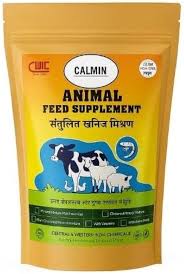
Within the global livestock and commercial animal husbandry sectors, feed concentrates represent the high-density nutritional engines required to sustain maximum growth rates, optimize milk yields, and maximize egg production. While raw roughages (such as pasture grass, hay, and silage) provide the necessary structural fiber to maintain healthy gut movement in herd animals, they are inherently limited in caloric and protein density.
The industrial manufacturing of feed concentrates bridges advanced agronomy, lipid chemistry, and precision milling engineering. It extracts, dries, and compacts highly digestible agricultural products and industrial co-products into uniform, stable feed matrices.
By strategically blending energy-rich cereal grains with concentrated protein meals, the animal feed sector maximizes the efficiency of meat and dairy production. This high-performance optimization allows the global agricultural market to drastically reduce animal grow-out times, minimize land-use footprints, and securely scale up the production of affordable animal protein for a growing population.
Defining Feed Concentrates and Operational Classifications
From an analytical and livestock management perspective, feed concentrates are defined as feed mixtures or raw materials that contain less than 18% crude fiber and a high concentration of total digestible nutrients (TDN).
                                    ┌──► Energy Concentrates (<20% Protein: Corn, Barley, Sorghum)
[Commercial Feed Concentrates] ─────┤
                                    └──► Protein Concentrates (≥20% Protein: Soybean Meal, DDGS)
Depending on the primary nutritional problem they are formulated to solve within a herd’s diet, concentrates are strictly divided into two functional classes:
1. Energy Concentrates (Carbohydrate & Lipid Anchors)
These components feature less than 20% crude protein and are loaded with readily accessible starches and fats. They supply the primary fuel needed to power animal metabolisms, maintain core body heat, and deposit marbling fat in meat cuts.
Primary Inputs: Yellow dent corn, grain sorghum (milo), feed-grade wheat, barley, oats, and vegetable lipids (such as animal-fat blends or soybean oil).
2. Protein Concentrates (Amino Acid Catalysts)
These ingredients feature a minimum of 20% crude protein (frequently exceeding 40%). They supply the essential amino acid building blocks required to synthesize muscle tissue (meat), build milk proteins (casein), and develop egg whites (albumen).
Primary Inputs: Dehulled soybean meal, canola meal, sunflower meal, and Distillers Dried Grains with Solubles (DDGS)—a high-protein, nutrient-dense co-product collected from grain-ethanol fermentation plants.
Technical Specifications
To move smoothly through high-volume bulk supply chains, flow without bridging inside automated farm silos, and comply with international food safety laws, commercial feed concentrates must meet tight quality control baselines.
Specification Parameter
Targeted Industrial Standard
Testing / Verification Method
Moisture Content
Maximum $leq 12.5%$ to $13.0%$ (Prevents bin spoilage)
Minimum $geq 92%$ to $95%$ (Resists auger shattering)
Holmen / Pfost Tumbling Box Tester
Aflatoxin Mycotoxins
Maximum $leq 20 text{ ppb}$ (Strict livestock health lock)
High-Performance Liquid Chromatography
Fine Particle (Dust) Mass
Maximum $leq 1.5%$ of final bulk loadout
Mechanical Sieve Particle Size Analysis
Conditioning Pasteurization
Core target 82°C to 85°C with steam injection
Continuous Inline Digital Thermal Probes
The Biophysical Science of Concentrate Utilization
The primary goal of feed concentrate engineering is maximizing the Feed Conversion Ratio (FCR)—the physical weight of feed required to produce exactly one kilogram of animal live-weight gain or milk.
1. Gelatinization and Carbohydrate Bioavailability
Raw, unprocessed grains contain starch locked inside highly organized, crystalline granules that are difficult for an animal’s digestive enzymes to break down quickly.
$$text{Crystalline Raw Starch Granules} xrightarrow{text{Steam Conditioning (82°C) + Die Pressure}} text{Amorphous Gelatinized Starch (High Absorption)}$$
During the industrial conditioning process, the feed concentrate mash is blasted with hot, pressurized steam and forced through a steel die. This intense thermal and mechanical energy breaks the weak hydrogen bonds within the starch granules. The structure absorbs water and swells, untangling the complex sugars into an uncoiled, unstructured state known as gelatinized starch. This shape allows the animal’s internal digestive enzymes (like amylase) to quickly absorb the sugars, yielding a dramatic boost in metabolic energy efficiency.
2. Rumen Bypass Protein Engineering
In high-producing dairy cattle, the internal microbes inside the rumen ferment and break down ordinary dietary proteins very rapidly. While this microbial activity is generally beneficial, an ultra-high-yielding dairy cow often requires more specific amino acids than the rumen microbes can produce on their own.
To bridge this gap, feed engineers manufacture Rumen Bypass Proteins (also called Undeogradable Intake Protein, UIP).
By treating protein concentrates with precisely controlled heat or legal organic acids, they gently alter (denature) the outermost chemical structures of the proteins. This protective coat prevents the rumen microbes from breaking them down. The protein passes completely untouched through the rumen and enters the cow’s true stomach (the abomasum), where it is absorbed directly to maximize milk volume and quality.
Industrial Manufacturing and Pellet Conditioning Flow
Transforming raw, coarse agricultural crops into uniform, nutrient-locked, and biosecure feed concentrate pellets requires a high-volume mechanical sequence.
1.Bulk Commodity Reception and Separation:Intake Gate.
Incoming trucks dump bulk carloads of corn, wheat, and soybean meal into unloading grates. The streams are pulled past high-capacity scalping screens to sift out stalks and dirt, then routed through powerful rare-earth magnetic drums to catch scrap iron fragments.
2.High-Speed Hammer-Mill Grinding:Sizing Phase.
The cleaned grains drop into heavy-duty hammer mills. Steel beaters spinning at 3,000 rpm shatter the hard grains against internal metal screens, grinding the particles down to a uniform size (typically 600 to 700 microns) to optimize animal digestion.
3.Batch Weighing and Core Formulation Mixing:Precision Blend.
The ground grain fractions and protein meals are dropped into a digital batch-scale system. Micro-ingredients—including synthetic amino acids, vitamin-mineral premixes, and anti-mold agents—are injected into a twin-shaft paddle mixer, blending the batch into a completely uniform mash within 120 seconds.
The dry mash is augered into a long steam conditioner. Liquid steam is directly injected, heating the feed to 82°C–85°C and adding 14% moisture. This process cooks the starches into a natural glue while pasteurizing the mix to eliminate dangerous agricultural pathogens like Salmonella.
The hot, sticky mash is immediately fed into the pellet mill chamber. Heavy steel rollers press the feed through a spinning ring die under immense mechanical pressure, extruding solid feed strands that are cut into clean, uniform pellet lengths by adjustable knives.
6.Counter-Flow Cooling and Bulk Loadout:Structure Lock.
The warm, pliable pellets pass into a counter-flow cooler where ambient air is pulled upward through the product bed. Within minutes, the moisture drops below 13% and the pellets harden. The finished concentrates are screened to remove any dust, moved into holding silos, and loaded into bulk trucks for distribution to commercial farms.
Conclusion
Feed concentrates represent a pinnacle achievement in precision livestock nutrition and high-volume process engineering. By utilizing advanced hammer milling, high-temperature steam conditioning, and targeted bypass protein chemistry, the feed industry successfully transforms raw grains and industrial co-products into highly digestible, energy-dense, and biosecure pellet matrices.
Through an automated manufacturing network that pasteurizes feed to eliminate dangerous pathogens and breaks down crystalline starches for optimal absorption, commercial mills maximize animal growth yields worldwide. As modern livestock production continues to prioritize reduced carbon footprints, low feed conversion ratios, and strict biosecurity safeguards, advanced feed concentrate engineering will remain an essential driver of international agricultural sustainability and global food security.