Black Friday Blowout!
Description
Firewood – Detailed Product Description
Introduction
Firewood is a traditional and widely used solid fuel obtained from cutting, splitting, and drying natural wood logs. It is primarily used for cooking, heating, and small-scale industrial energy needs. Firewood remains an important energy source in many rural and urban communities due to its availability, affordability, and simplicity of use.
Despite the rise of modern fuels, firewood continues to play a key role in domestic cooking, brick making, food processing, and cultural cooking practices across many regions of the world.
Definition of Firewood
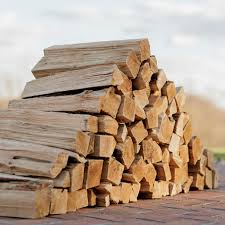
Firewood is wood that has been harvested, cut, and prepared into logs or split pieces for direct combustion as a source of heat energy.
It is commonly sourced from fast-growing and hardwood tree species such as:
Eucalyptus globulus
Tectona grandis
Acacia mangium
These species are preferred because they produce dense wood that burns steadily and generates high heat output.
Types of Firewood
1. Hardwood Firewood
- Derived from dense trees
- Burns slowly and produces high heat
- Ideal for long cooking and heating
2. Softwood Firewood
- From lighter, fast-growing trees
- Ignites quickly but burns faster
- Suitable for quick cooking or fire starting
3. Seasoned Firewood
- Naturally dried for several months
- Low moisture content for efficient burning
4. Kiln-Dried Firewood
- Artificially dried using heat chambers
- Very low moisture and high efficiency
5. Green Firewood
- Freshly cut wood with high moisture content
- Produces more smoke and lower heat efficiency
Physical Characteristics of Firewood
Firewood typically features:
- Solid, fibrous wood structure
- Brown to dark brown color depending on species
- Variable moisture content (affects burning efficiency)
- High energy content when properly dried
- Produces heat, smoke, and ash during combustion
- Available in logs, split pieces, or stacked bundles
Properly seasoned firewood burns cleaner and more efficiently.
Preparation Process of Firewood
The production of usable firewood involves several steps:
1. Tree Harvesting
Selected trees are cut from managed forests or plantations.
2. Cutting and Splitting
Logs are cut into manageable sizes and split for drying efficiency.
3. Seasoning (Drying)
Wood is air-dried for several months to reduce moisture content.
4. Kiln Drying (Optional)
Wood is dried in controlled environments for faster processing.
5. Storage
Dried firewood is stored in ventilated areas to maintain quality.
6. Packaging and Distribution
Firewood is bundled or stacked for sale and transport.
Tabulated Specification of Firewood
| Specification | Details |
|---|---|
| Product Name | Firewood |
| Common Raw Materials | Eucalyptus globulus, Tectona grandis, Acacia mangium |
| Product Type | Solid biomass fuel |
| Form | Logs, split wood, bundles |
| Moisture Content | Varies (seasoned or kiln-dried preferred) |
| Calorific Value | Moderate to high depending on species and dryness |
| Ash Content | Low to moderate |
| Combustion | Produces heat, smoke, and flame |
| Storage Conditions | Dry, ventilated environment |
| Packaging Format | Bundles, stacked loads, crates |
| Environmental Impact | Renewable if sustainably harvested |
Uses of Firewood
Firewood is widely used across different sectors:
1. Household Cooking
- Traditional cooking methods
- Open-fire stoves and clay ovens
2. Heating
- Used for warming homes in cold climates
- Space heating in rural areas
3. Food Processing
- Smoking fish and meat
- Baking and roasting traditional foods
4. Small-Scale Industries
- Brick making and pottery firing
- Lime and charcoal production
5. Cultural and Social Uses
- Ceremonial cooking and rituals
- Outdoor gatherings and festivals
Advantages of Firewood
1. Readily Available
Accessible in many rural and forested regions.
2. Low Cost
Often cheaper than commercial fuels.
3. Renewable Resource
Can be sustainably harvested from managed forests.
4. Simple Technology
Requires no complex equipment for use.
5. Versatile Fuel
Suitable for cooking, heating, and small industries.
Economic Importance
Firewood contributes to economies by:
- Supporting rural energy supply systems
- Creating employment in forestry and wood harvesting
- Providing affordable energy for low-income households
- Supporting informal trade and local markets
- Serving as a base fuel for charcoal production
It remains a critical energy source in many developing regions.
Environmental Considerations
Firewood has both benefits and environmental risks:
Positive aspects:
- Renewable when harvested sustainably
- Can be sourced from plantation forestry
- Supports carbon cycling in managed ecosystems
Challenges:
- Deforestation risk if overharvested
- Smoke emissions affecting air quality
- Inefficient combustion in traditional stoves
Sustainable forestry and improved cooking technologies help reduce environmental impact.
Storage and Handling Guidelines
To ensure efficient use:
- Store in dry, covered areas
- Avoid ground contact to prevent moisture absorption
- Stack properly for air circulation
- Keep away from rain and humidity
- Use well-seasoned wood for best performance
Proper storage improves burning efficiency and reduces smoke.
Quality Control Standards
High-quality firewood should have:
- Low moisture content (well-seasoned)
- High density for longer burning
- Minimal bark and impurities
- Uniform size for easy handling
- Clean combustion with reduced smoke
Conclusion
Firewood is one of the oldest and most widely used energy sources in human history, derived from natural wood materials such as Eucalyptus globulus, Tectona grandis, and Acacia mangium. It remains essential for cooking, heating, and small-scale industries, especially in rural and developing regions.
Although modern fuels are increasingly available, firewood continues to provide an affordable and accessible energy solution. When harvested and used sustainably, it can be part of a renewable and environmentally balanced energy system.
In essence, firewood is not just a traditional fuel—it is a fundamental natural energy resource that continues to support livelihoods, culture, and everyday living across the world.