Fast delivery within 72 Hours

Biomass pellets

Report Abuse

Description

Biomass Pellets – Detailed Product Description

Introduction

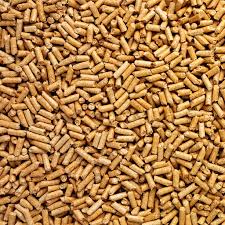
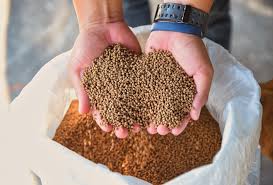
Biomass pellets are small, dense, cylindrical fuel products made from compressed organic materials such as wood waste, agricultural residues, sawdust, and plant fibers. They are widely used as a renewable energy source for heating, electricity generation, and industrial fuel applications.

Biomass pellets are considered one of the most efficient solid biofuels because they have low moisture content, high energy density, and uniform size, which allows for clean and consistent combustion. They are an important alternative to fossil fuels in the global transition toward sustainable energy systems.


Definition of Biomass Pellets

Biomass pellets are compressed cylindrical fuel units produced by applying high pressure to dried organic biomass materials without chemical additives, resulting in a high-density, uniform solid fuel.

Common raw materials include wood-based biomass derived from trees such as:

Pinus radiata
Eucalyptus globulus
Pinus sylvestris

These species provide high-quality lignocellulosic fibers that improve pellet strength and combustion efficiency.


Types of Biomass Pellets

1. Wood Pellets

  • Made from sawdust and wood residues
  • Most common type for heating and power generation

2. Agricultural Pellets

  • Produced from crop waste such as rice husks, straw, or corn stalks
  • Widely used in rural energy systems

3. Industrial Pellets

  • Used in large-scale power plants
  • High-density and standardized quality

4. Mixed Biomass Pellets

  • Combination of wood and agricultural waste
  • Balanced cost and energy output

5. Torrefied Pellets

  • Heat-treated pellets with higher energy density
  • More resistant to moisture and degradation

Physical Characteristics of Biomass Pellets

Biomass pellets typically feature:

  • Cylindrical, uniform shape (usually 6–10 mm diameter)
  • High density and compact structure
  • Low moisture content (typically below 10%)
  • High calorific value
  • Clean combustion with minimal smoke
  • Easy storage and transport
  • Consistent size for automated feeding systems

These properties make them highly efficient in energy applications.


Manufacturing Process of Biomass Pellets

The production of biomass pellets involves several key stages:

1. Raw Material Collection

Wood residues, sawdust, and agricultural waste are gathered.

2. Drying

Moisture content is reduced to improve pellet quality.

3. Grinding

Raw materials are ground into fine particles for uniformity.

4. Conditioning

Steam or heat may be applied to soften fibers and improve binding.

5. Pelletizing

Material is compressed under high pressure through a pellet mill.

6. Cooling

Fresh pellets are cooled to harden and stabilize structure.

7. Screening

Oversized or broken pellets are removed and recycled.

8. Packaging

Final pellets are packed in bags or bulk containers for distribution.


Tabulated Specification of Biomass Pellets

Specification Details
Product Name Biomass Pellets
Common Raw Materials Pinus radiata, Eucalyptus globulus, Pinus sylvestris
Product Type Renewable solid biofuel
Shape Cylindrical pellets
Diameter Typically 6–10 mm
Moisture Content Low (<10%)
Calorific Value High
Density High (compressed form)
Ash Content Low to moderate
Combustion Clean and efficient
Storage Conditions Dry, ventilated environment
Packaging Format Bags, bulk sacks, palletized loads
Environmental Impact Low carbon footprint (carbon-neutral potential)

Uses of Biomass Pellets

Biomass pellets are used in various sectors:


1. Residential Heating

  • Used in pellet stoves and boilers
  • Efficient home heating solution

2. Industrial Energy

  • Fuel for boilers and furnaces
  • Used in manufacturing plants

3. Power Generation

  • Biomass power plants for electricity production
  • Co-firing with coal in thermal plants

4. Commercial Heating

  • Hotels, schools, and office heating systems

5. Agriculture

  • Drying crops and greenhouse heating systems

6. Export Fuel Market

  • Widely traded as renewable energy commodity
  • Used in Europe and other energy-demanding regions

Advantages of Biomass Pellets

1. Renewable Energy Source

Made from sustainable organic materials.

2. High Energy Efficiency

Produces consistent and high heat output.

3. Low Emissions

Cleaner burning compared to coal and firewood.

4. Easy Storage and Transport

Compact and uniform shape simplifies logistics.

5. Cost-Effective

Reduces dependence on fossil fuels.

6. Automation Friendly

Suitable for automated feeding systems in boilers.


Economic Importance

Biomass pellets contribute significantly to global economies by:

  • Supporting renewable energy industries
  • Creating jobs in forestry, agriculture, and manufacturing
  • Driving international biomass trade markets
  • Reducing fossil fuel import dependence
  • Encouraging rural industrial development

They are a key product in the global clean energy transition.


Environmental Considerations

Biomass pellets are environmentally beneficial because:

  • They utilize waste materials from agriculture and forestry
  • They can be carbon-neutral when sustainably sourced
  • They reduce landfill waste
  • They lower greenhouse gas emissions compared to fossil fuels
  • They support circular bioeconomy systems

Sustainable sourcing is essential to maximize environmental benefits.


Storage and Handling Guidelines

To maintain quality:

  • Store in dry, moisture-free conditions
  • Avoid exposure to rain or humidity
  • Keep in ventilated storage areas
  • Use sealed packaging for long-term storage
  • Prevent crushing or excessive pressure on pellet bags

Proper handling ensures optimal combustion performance.


Quality Control Standards

High-quality biomass pellets must meet:

  • Low moisture content standards
  • High bulk density requirements
  • Consistent size and shape
  • Low ash content
  • High calorific value
  • Mechanical durability (resistance to breakage)

Conclusion

Biomass pellets are an efficient and sustainable solid fuel produced from renewable organic materials such as wood residues from Pinus radiata, Eucalyptus globulus, and Pinus sylvestris. They provide a clean, reliable, and cost-effective energy source for residential, industrial, and power generation applications.

From home heating systems to large-scale biomass power plants, pellets play a vital role in reducing reliance on fossil fuels and supporting global sustainability goals. Their high efficiency, low emissions, and ease of handling make them one of the most important renewable energy products today.

In essence, biomass pellets are not just fuel—they are a modern energy solution that transforms organic waste into valuable, clean, and sustainable power.