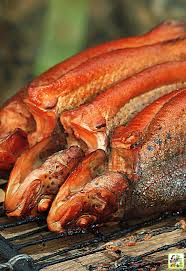
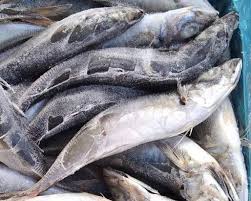
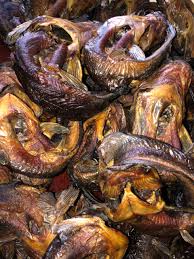
Dried fish is a preserved seafood product made by removing moisture from fresh fish through natural sun drying, air drying, mechanical dehydration, or a combination of salting and drying processes. This traditional preservation method has been used for centuries to extend the shelf life of fish while maintaining much of its nutritional value and flavor.
Dried fish is widely consumed in many regions of the world, particularly in coastal and fishing communities where it serves as an important source of protein and food security. It is valued for its long storage capability, ease of transportation, concentrated flavor, and versatility in cooking.
The drying process significantly reduces moisture content, which inhibits microbial growth and slows spoilage. As a result, dried fish can be stored for extended periods without refrigeration when properly handled.
Definition of Dried Fish
Dried fish refers to fish that has been preserved by reducing its moisture content through drying methods such as sun drying, mechanical dehydration, smoking combined with drying, or salting followed by drying.
The drying process enhances shelf life and creates a concentrated seafood flavor highly valued in many cuisines.
Types of Dried Fish
1. Sun-Dried Fish
Dried naturally under sunlight
Traditional and low-cost method
Common in artisanal fisheries
2. Salted Dried Fish
Fish is salted before drying
Improved preservation and flavor enhancement
3. Air-Dried Fish
Dried in controlled airflow systems
Better hygiene and quality consistency
4. Mechanically Dried Fish
Uses industrial dehydration equipment
Faster and more controlled drying process
5. Smoked Dried Fish
Combination of smoking and drying for added preservation and flavor
Fish Species Commonly Used
A variety of fish species are suitable for drying:
Tilapia
Mackerel
Herring
Sardines
Catfish
Cod
Anchovies
Small and medium-sized fish are especially common in traditional dried fish production.
Production Process of Dried Fish
The production process generally includes:
1. Fish Selection
Fresh fish with good quality and no spoilage signs are selected.
2. Cleaning and Preparation
Fish are washed, gutted, scaled, or filleted depending on product requirements.
3. Salting (Optional)
Salt may be added to:
Improve flavor
Reduce bacterial growth
Enhance preservation
4. Drying
Fish are dried using:
Sunlight
Airflow systems
Mechanical dryers
5. Cooling
Dried fish is cooled before packaging.
6. Packaging
Products are packed in moisture-resistant materials.
Physical and Sensory Characteristics
High-quality dried fish typically exhibits:
Reduced moisture content
Firm and slightly hard texture
Distinct seafood aroma
Light brown to dark brown color depending on method
No visible mold or spoilage
Concentrated savory flavor
Tabulated Specification of Dried Fish
Specification
Details
Product Name
Dried Fish
Scientific Sources
Oreochromis niloticus, Scomber scombrus
Product Type
Preserved seafood product
Processing Method
Drying, salting, dehydration
Drying Methods
Sun drying, air drying, mechanical drying
Texture
Firm, dry, chewy
Flavor Profile
Strong savory seafood flavor
Color
Light brown to dark brown
Moisture Content
Low for preservation
Shelf Life
Several months when properly stored
Storage Conditions
Cool, dry, moisture-free environment
Packaging
Vacuum packs, sealed bags, cartons
Traceability
Fishery or aquaculture source records
Uses of Dried Fish
Dried fish is widely used in many culinary and industrial applications:
1. Household Cooking
Used in soups, sauces, stews, and traditional dishes.
2. Seasoning Ingredient
Adds strong seafood flavor to meals and sauces.
3. Food Processing Industry
Used in:
Packaged seafood products
Powdered fish seasonings
Protein supplements
4. Emergency and Long-Term Food Storage
Long shelf life makes it suitable for food reserves.
5. Export Trade
Dried fish is an important commodity in international seafood markets.
Nutritional Value of Dried Fish
Dried fish is highly nutritious and concentrated in nutrients:
High-quality protein
Omega-3 fatty acids
Calcium (especially small whole dried fish)
Iron and zinc
Vitamin B12
Iodine and selenium
Drying concentrates nutrients due to reduced water content.
Health Benefits
Dried fish offers several health advantages:
1. Protein-Rich Nutrition
Supports muscle growth and body repair.
2. Bone Health
Calcium-rich small fish support strong bones.
3. Heart Health
Omega-3 fats support cardiovascular function.
4. Brain Function
Vitamin B12 and healthy fats aid neurological health.
5. Food Security
Provides long-lasting protein supply in remote or low-refrigeration areas.
Economic Importance
Dried fish plays a major role in fisheries economies:
Reduces post-harvest fish losses
Adds value to fishery products
Supports livelihoods in fishing communities
Expands shelf life for trade and export
Creates jobs in processing, packaging, and distribution
It is especially important in developing countries where cold-chain infrastructure may be limited.
Environmental Considerations
Dried fish production involves several sustainability factors:
Low energy use in traditional sun drying
Reduced food waste through preservation
Importance of sustainable fishing practices
Need for hygienic drying environments to reduce contamination
Improved drying technologies help increase efficiency and product safety.
Storage and Handling Guidelines
To maintain quality and safety:
Store in dry, cool conditions
Protect from moisture and insects
Use airtight packaging
Avoid direct sunlight after drying
Handle with clean equipment and surfaces
Observe recommended shelf life
Quality Control Standards
High-quality dried fish must meet:
Proper moisture reduction levels
Absence of mold, insects, or contamination
Clean and hygienic processing conditions
Safe salt content (where applicable)
Fresh raw fish quality before drying
Traceability and food safety compliance
Conclusion
Dried fish is a traditional yet highly valuable preserved seafood product that provides long-lasting nutrition, concentrated flavor, and economic benefits to fishing communities worldwide. Produced from fish species such as Oreochromis niloticus and Scomber scombrus, dried fish remains an important source of protein and food security in many cultures.
Its extended shelf life, portability, and culinary versatility make it an essential commodity in households, food industries, and international trade. Whether used as a cooking ingredient, seasoning, or preserved protein source, dried fish continues to hold cultural, nutritional, and commercial significance across global markets.
In essence, dried fish is not just preserved seafood—it is a sustainable and nutrient-rich food product that supports traditional livelihoods, global trade, and long-term food preservation.