Fast delivery within 72 Hours
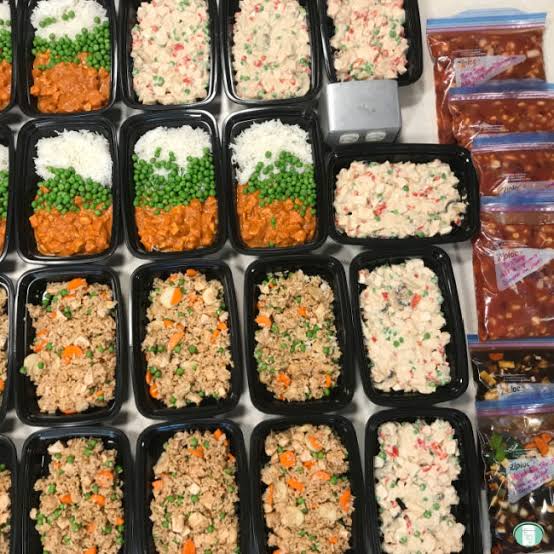
Frozen ready meals
Contact Supplier
Supplier: bigbird959Phone: +13367356356
Email: xowatof241@fisedo.com
Address: 3421 Brown Terrace Seattle, United States
Visit Supplier Store
Black Friday Blowout!
Description
Frozen Ready Meals – Detailed Product Description
Introduction
Frozen ready meals are one of the fastest-growing segments within the global frozen food industry, offering consumers a convenient, nutritious, and time-saving solution for meal preparation. Designed to provide complete or semi-complete meals that require minimal preparation before consumption, frozen ready meals cater to the needs of busy professionals, families, students, travelers, and food service establishments seeking quality meals with maximum convenience.
As modern lifestyles become increasingly demanding, consumers are looking for food products that balance convenience, taste, nutrition, and affordability. Frozen ready meals address these needs by providing pre-cooked dishes that can be heated and served within minutes. These products are available in a wide variety of cuisines, dietary preferences, and portion sizes, making them suitable for diverse consumer groups.
Advancements in food processing, freezing technologies, and packaging systems have significantly improved the quality of frozen ready meals. Modern freezing methods help preserve the flavor, texture, appearance, and nutritional value of ingredients, ensuring consumers enjoy meals that closely resemble freshly prepared dishes. As a result, frozen ready meals have become an essential component of retail food markets, food service operations, and institutional catering worldwide.
Product Definition
Frozen ready meals are fully prepared or partially prepared food products that consist of one or more cooked ingredients assembled into a complete meal and preserved through freezing. These meals are designed to be stored at frozen temperatures, typically below -18°C (0°F), and require minimal preparation, usually reheating by microwave, oven, air fryer, or stovetop before consumption.
Frozen ready meals may include combinations of proteins, vegetables, grains, pasta, rice, sauces, and seasonings, providing consumers with balanced meal options. They are available in single-serving, family-sized, and bulk packaging formats and are produced under strict food safety and quality standards to ensure consistency, convenience, and consumer satisfaction.
Product Specifications
| Parameter | Specification |
|---|---|
| Product Name | Frozen Ready Meals |
| Product Type | Frozen Prepared Food Product |
| Physical Form | Complete Meals, Entrées, Meal Components |
| Color | Varies According to Recipe |
| Taste | Characteristic Flavor of Specific Meal |
| Aroma | Fresh Cooked Meal Aroma |
| Main Ingredients | Proteins, Vegetables, Grains, Sauces, Seasonings |
| Processing Method | Cooking, Portioning, Freezing, Packaging |
| Freezing Temperature | Typically Below -18°C |
| Shelf Life | 12–24 Months |
| Packaging Type | Trays, Cartons, Pouches, Multi-Compartment Containers |
| Storage Condition | Keep Frozen at or Below -18°C |
| Nutritional Value | Source of Protein, Carbohydrates, Vitamins, and Minerals |
| Portion Sizes | Single Serve, Family Size, Institutional Packs |
| Quality Grade | Commercial, Premium, Export Grade |
| Target Consumers | Households, Restaurants, Institutions |
| Food Safety Compliance | HACCP, GMP, and Applicable Standards |
| Availability | Retail, Wholesale, Food Service Markets |
Key Features of Frozen Ready Meals
1. Convenience
Frozen ready meals require minimal preparation and can be served within minutes, making them ideal for busy lifestyles.
2. Complete Meal Solution
Many frozen ready meals provide balanced portions of protein, carbohydrates, vegetables, and sauces in a single package.
3. Extended Shelf Life
Freezing preserves the meal and extends storage life while maintaining product quality.
4. Wide Variety of Options
Frozen ready meals are available in numerous cuisines and styles, including:
- Pasta Dishes
- Rice-Based Meals
- Chicken Entrées
- Beef Meals
- Seafood Meals
- Vegetarian Meals
- Vegan Meals
- Breakfast Meals
- Ethnic Cuisine Selections
- Diet-Specific Meals
5. Consistent Quality
Standardized recipes and manufacturing processes ensure consistency in flavor, texture, and appearance.
6. Portion Control
Pre-portioned meals support dietary management and reduce food waste.
Production and Processing Process
Ingredient Selection
High-quality ingredients are sourced according to product specifications and quality standards.
Preparation and Cooking
Ingredients are cleaned, prepared, seasoned, and cooked using approved food processing methods.
Recipe Assembly
Meal components are combined according to standardized formulations and portion requirements.
Portioning
Meals are accurately portioned into trays, pouches, or containers to ensure consistency.
Rapid Freezing
Prepared meals are rapidly frozen using advanced technologies such as:
- Blast Freezing
- Individual Quick Freezing (IQF)
- Tunnel Freezing
Rapid freezing helps preserve flavor, texture, and nutritional quality.
Packaging
Meals are packaged using food-grade materials that protect against contamination, moisture loss, and freezer burn.
Storage and Distribution
Products are maintained within a controlled cold chain throughout storage and transportation.
Nutritional Value of Frozen Ready Meals
Frozen ready meals can provide a balanced combination of essential nutrients.
Protein
Protein sources may include:
- Chicken
- Beef
- Fish
- Seafood
- Legumes
- Plant-Based Proteins
Carbohydrates
Common carbohydrate sources include:
- Rice
- Pasta
- Potatoes
- Grains
- Noodles
Vegetables
Many meals include vegetables that contribute vitamins, minerals, antioxidants, and dietary fiber.
Vitamins and Minerals
Depending on ingredients, frozen ready meals may provide:
- Vitamin A
- Vitamin C
- Vitamin D
- B Vitamins
- Calcium
- Iron
- Potassium
Energy Source
The combination of proteins, carbohydrates, and fats provides energy and satiety.
Uses of Frozen Ready Meals
Household Consumption
Frozen ready meals provide a practical solution for individuals and families seeking quick meal options.
Workplace Meals
Employees often use frozen ready meals as convenient lunch and dinner solutions.
Student Housing
Students benefit from easy-to-prepare meals that require limited cooking facilities.
Hospitality Industry
Hotels and resorts use frozen ready meals for room service, catering, and operational efficiency.
Healthcare Facilities
Hospitals and care centers utilize frozen meals to provide consistent and nutritionally balanced food options.
Educational Institutions
Schools and universities may include frozen meals within food service programs.
Travel and Transportation
Airlines, rail services, cruise operators, and other transportation providers frequently use frozen meal solutions.
Emergency Food Supply
Frozen ready meals can support emergency food reserves and disaster response programs.
Culinary Applications
Frozen ready meals are designed for easy preparation using various cooking methods.
Microwave Heating
Most products are optimized for rapid microwave preparation.
Oven Heating
Oven preparation enhances texture and overall eating experience.
Air Frying
Certain products benefit from air frying for improved crispness.
Stovetop Heating
Some meals can be reheated directly on the stovetop.
Combination Meal Preparation
Frozen ready meals can be enhanced with fresh vegetables, herbs, sauces, or side dishes.
Benefits of Frozen Ready Meals
Time Efficiency
Meals can be prepared within minutes, reducing cooking and cleaning requirements.
Convenience
Consumers enjoy ready-to-eat solutions without extensive food preparation.
Reduced Food Waste
Pre-portioned packaging helps minimize ingredient waste.
Consistent Taste and Quality
Controlled manufacturing processes ensure predictable product performance.
Long Shelf Life
Frozen storage allows consumers to keep meals available for future use.
Diverse Menu Options
A broad range of recipes accommodates different dietary preferences and cultural cuisines.
Inventory Management
Businesses benefit from improved stock control and product availability.
Packaging and Storage
Frozen ready meals are packaged using materials designed to maintain product quality and facilitate reheating.
Common packaging formats include:
- Microwaveable Trays
- Compartmentalized Containers
- Flexible Pouches
- Cartons
- Bulk Institutional Packaging
Recommended storage conditions include:
- Continuous storage at or below -18°C
- Protection from temperature fluctuations
- Avoidance of repeated thawing and refreezing
- Following manufacturer shelf-life recommendations
Proper frozen storage is essential for maintaining food safety and product quality.
Market Demand and Consumer Appeal
The global frozen ready meals market continues to grow due to changing lifestyles, increasing urbanization, and rising demand for convenience foods. Consumers seek products that provide restaurant-quality meals while minimizing preparation time and effort.
The popularity of single-person households, dual-income families, and remote working arrangements has further accelerated demand for frozen meal solutions. Food manufacturers continue to introduce innovative products featuring healthier ingredients, international cuisines, plant-based alternatives, and premium recipes.
Retailers, food service operators, and institutional buyers value frozen ready meals for their consistency, long shelf life, and operational efficiency. The continued advancement of freezing technologies and sustainable packaging solutions is expected to support future market growth.
Conclusion
Frozen ready meals are a convenient, versatile, and highly valuable category within the frozen food industry. By combining quality ingredients, advanced cooking methods, and modern freezing technologies, these products provide consumers with complete meal solutions that are easy to store, prepare, and enjoy. Their long shelf life, consistent quality, diverse menu options, and nutritional benefits make them suitable for households, restaurants, hotels, healthcare facilities, educational institutions, and food service providers. As demand for convenient and nutritious meal solutions continues to increase, frozen ready meals remain an essential and rapidly growing segment of the global food market.