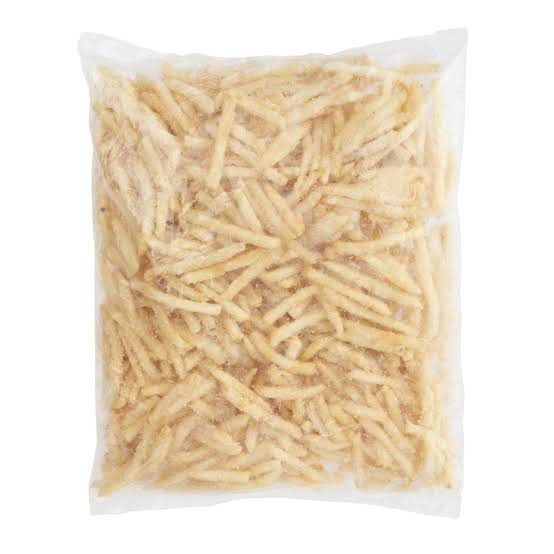
Frozen fries are one of the most popular and widely consumed frozen potato products in the global food industry. Renowned for their convenience, versatility, and consistent quality, frozen fries have become a staple in households, restaurants, hotels, fast-food chains, catering services, and institutional food establishments. Produced from carefully selected potatoes and processed using advanced freezing technologies, frozen fries offer consumers a quick and delicious solution for meal preparation while maintaining excellent taste, texture, and nutritional value.
The growing demand for convenient foods, coupled with busy lifestyles and the expansion of quick-service restaurants, has significantly increased the popularity of frozen fries worldwide. These products are available in various cuts, sizes, and styles, allowing consumers and food service operators to choose options that best suit their culinary needs. Whether served as a side dish, snack, or ingredient in specialty meals, frozen fries continue to be a preferred choice due to their ease of preparation and broad consumer appeal.
Modern manufacturing processes ensure that frozen fries retain their quality from production to consumption. Through careful processing, blanching, frying, freezing, and packaging, frozen fries maintain their characteristic golden color, crispy texture, and appealing flavor. As a result, they remain one of the most successful and widely traded frozen food products globally.
Product Definition
Frozen fries are processed potato products made from high-quality potatoes that are washed, peeled, cut into strips or other shapes, partially cooked through blanching and/or frying, and then rapidly frozen at controlled temperatures to preserve freshness, flavor, texture, and quality. The freezing process extends shelf life while maintaining the product’s desirable characteristics.
Frozen fries are available in numerous styles, including straight-cut fries, crinkle-cut fries, shoestring fries, steak fries, waffle fries, and specialty seasoned varieties. They are intended for preparation through deep frying, baking, or air frying before consumption.
Manufactured under strict food safety and quality standards, frozen fries provide a convenient and reliable food solution for both domestic and commercial use.
Frozen fries offer exceptional convenience because they are pre-cut, partially cooked, and ready for final preparation. This significantly reduces preparation time and labor requirements.
2. Extended Shelf Life
Freezing preserves the product and extends its usability for months while maintaining quality when stored properly.
3. Consistent Quality
Standardized production methods ensure consistent size, color, texture, and flavor across every batch.
4. Variety of Cuts and Styles
Frozen fries are available in multiple formats, including:
Straight-Cut Fries
Crinkle-Cut Fries
Shoestring Fries
Steak Fries
Waffle Fries
Curly Fries
Skin-On Fries
Seasoned Fries
Sweet Potato Fries
Specialty Gourmet Fries
5. Excellent Texture
Modern processing techniques help achieve a crispy exterior and soft interior after cooking.
6. Wide Consumer Appeal
Frozen fries are enjoyed by consumers of all ages and are suitable for various cuisines and dining occasions.
Production and Processing Process
Potato Selection
High-quality potatoes with appropriate size, texture, and starch content are selected for processing.
Washing and Cleaning
Potatoes are thoroughly cleaned to remove soil, stones, and other foreign materials.
Peeling
The potatoes are mechanically peeled to achieve a smooth surface suitable for cutting.
Cutting
Potatoes are cut into desired shapes and sizes using precision equipment.
Blanching
The cut potatoes undergo blanching to preserve color, improve texture, and reduce enzymatic activity.
Partial Frying
Many frozen fries are partially fried to create the desired texture and flavor characteristics.
Rapid Freezing
Fries are rapidly frozen using advanced freezing technologies such as:
Individual Quick Freezing (IQF)
Blast Freezing
Tunnel Freezing
These methods help maintain quality and minimize ice crystal formation.
Packaging
Frozen fries are packaged using food-grade materials that protect against moisture loss and freezer burn.
Storage and Distribution
Products are stored and transported through refrigerated supply chains to maintain quality and food safety.
Nutritional Value of Frozen Fries
Frozen fries provide energy and important nutrients derived primarily from potatoes.
Carbohydrates
Potatoes are a rich source of carbohydrates that provide energy for daily activities.
Dietary Fiber
Depending on the product type, frozen fries may contribute dietary fiber that supports digestive health.
Vitamins
Frozen fries may contain:
Vitamin C
Vitamin B6
Folate
Minerals
Important minerals include:
Potassium
Magnesium
Phosphorus
Iron
Energy Source
Frozen fries are widely consumed as a satisfying source of energy and are often incorporated into balanced meals.
Uses of Frozen Fries
Household Consumption
Frozen fries are a popular side dish and snack option for home meal preparation.
Fast Food Restaurants
Quick-service restaurants rely heavily on frozen fries due to their consistency and ease of preparation.
Hotels and Resorts
Hospitality establishments use frozen fries to provide high-quality side dishes with efficient kitchen operations.
Catering Services
Frozen fries are ideal for large-scale food preparation because they deliver predictable cooking results.
Cafeterias and Institutions
Schools, universities, hospitals, and corporate dining facilities use frozen fries in meal programs.
Food Retail Sector
Supermarkets and retail stores offer frozen fries as a convenient frozen food option for consumers.
Culinary Applications
Frozen fries are highly versatile and can be prepared in numerous ways.
Deep Frying
Deep frying produces the traditional crispy texture and golden appearance associated with restaurant-style fries.
Air Frying
Air frying offers a healthier preparation method while maintaining crispness.
Oven Baking
Baking provides an easy and convenient cooking option for households.
Loaded Fries
Frozen fries can be topped with cheese, sauces, meats, vegetables, and seasonings to create specialty dishes.
Side Dishes
Fries complement burgers, sandwiches, grilled meats, seafood, and various international cuisines.
Snack Foods
Frozen fries can be served as standalone snacks with dips and sauces.
Benefits of Frozen Fries
Time Savings
Pre-cut and pre-cooked products significantly reduce preparation time.
Reduced Food Waste
Long shelf life minimizes spoilage and allows consumers to prepare only the desired quantity.
Bulk purchasing and efficient storage provide economic benefits for consumers and businesses.
Inventory Management
Food service establishments benefit from improved stock control and product availability.
Consumer Convenience
Frozen fries are easy to store, prepare, and serve.
Packaging and Storage
Frozen fries are packaged using durable materials designed to preserve freshness and quality.
Common packaging formats include:
Retail Pouches
Polyethylene Bags
Cartons
Bulk Food Service Packaging
Resealable Packs
Recommended storage conditions include:
Continuous storage at or below -18°C
Protection from moisture and temperature fluctuations
Avoiding repeated thawing and refreezing
Following manufacturer shelf-life recommendations
Maintaining proper frozen storage conditions is essential for preserving product quality and safety.
Market Demand and Consumer Appeal
The global frozen fries market continues to experience strong growth due to increasing demand for convenience foods and the rapid expansion of food service industries. Fast-food restaurants, quick-service chains, and hospitality businesses are major consumers of frozen fries because of their reliability, efficiency, and broad customer appeal.
Consumers appreciate frozen fries for their convenience, affordability, versatility, and consistent quality. The growing popularity of home cooking, air fryers, and frozen meal solutions has further contributed to rising demand. In addition, manufacturers continue to innovate by introducing healthier formulations, specialty cuts, and premium product varieties to meet evolving consumer preferences.
The product also benefits from well-established global distribution networks, making frozen fries one of the most accessible frozen food categories worldwide.
Conclusion
Frozen fries are a highly convenient, versatile, and widely consumed frozen potato product that plays an important role in both household and commercial food preparation. Through advanced processing and freezing technologies, frozen fries maintain their flavor, texture, appearance, and quality while offering extended shelf life and ease of storage. Their wide range of styles, consistent cooking performance, and extensive culinary applications make them a preferred choice for consumers, restaurants, hotels, catering services, and food manufacturers. As demand for convenient and high-quality food products continues to grow, frozen fries remain a valuable and indispensable component of the global frozen food industry.