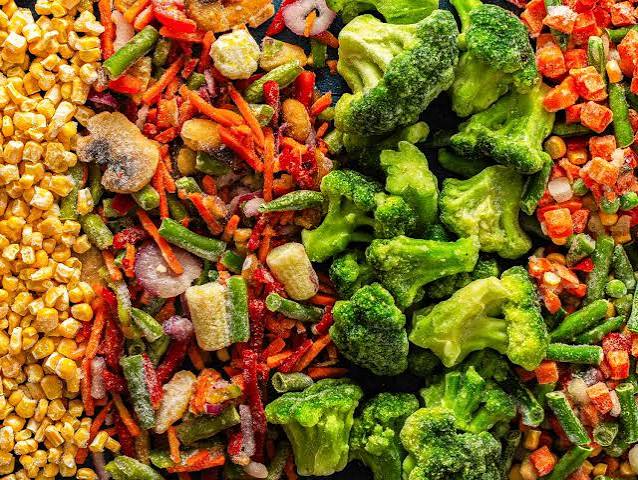
Frozen vegetables are among the most popular and widely consumed frozen food products in the global food industry. They provide consumers with a convenient, nutritious, and cost-effective way to enjoy a wide variety of vegetables throughout the year, regardless of seasonal availability. Produced using advanced freezing technologies, frozen vegetables retain much of their natural flavor, texture, color, and nutritional value while offering an extended shelf life compared to fresh produce.
As modern lifestyles become increasingly fast-paced, consumers are seeking food solutions that combine convenience with health benefits. Frozen vegetables address this demand by offering ready-to-use products that require minimal preparation and can be incorporated into numerous meals. They are extensively used in households, restaurants, hotels, catering companies, food processing industries, educational institutions, healthcare facilities, and retail food outlets.
The freezing process begins shortly after harvesting, helping preserve the freshness and nutritional integrity of vegetables. This rapid preservation method minimizes nutrient loss and reduces spoilage, making frozen vegetables a reliable and sustainable food option. With growing awareness of healthy eating habits and the importance of plant-based nutrition, frozen vegetables continue to gain popularity among consumers worldwide.
Product Definition
Frozen vegetables are agricultural products that have been harvested at optimal maturity, cleaned, processed, and rapidly frozen at controlled temperatures, typically below -18°C (0°F), to preserve their quality, nutritional value, texture, flavor, and appearance. The freezing process slows enzymatic activity and microbial growth, extending the shelf life of the vegetables while maintaining their natural characteristics.
Frozen vegetables may be available as individual vegetable varieties or mixed vegetable combinations. Depending on the product type, they may be sold whole, sliced, diced, chopped, or blended for specific culinary applications. These products are manufactured under strict food safety and quality standards to ensure consistency, hygiene, and consumer satisfaction.
Product Specifications
Parameter
Specification
Product Name
Frozen Vegetables
Product Type
Frozen Agricultural Food Product
Physical Form
Whole, Sliced, Diced, Chopped, Mixed
Color
Natural Color of Vegetable Variety
Taste
Fresh and Characteristic Vegetable Flavor
Aroma
Natural Vegetable Aroma
Main Ingredients
Fresh Vegetables
Processing Method
Cleaning, Blanching, Freezing, Packaging
Freezing Temperature
Typically Below -18°C
Shelf Life
12–24 Months
Packaging Type
Poly Bags, Pouches, Cartons, Bulk Packs
Storage Condition
Keep Frozen at or Below -18°C
Nutritional Value
Rich in Vitamins, Minerals, and Fiber
Moisture Content
Naturally Present in Vegetables
Quality Grade
Commercial, Premium, Export Grade
Target Consumers
Households, Restaurants, Food Manufacturers
Food Safety Compliance
HACCP, GMP, and Applicable Standards
Availability
Retail, Wholesale, Food Service Markets
Key Features of Frozen Vegetables
1. Nutritional Preservation
Frozen vegetables are typically processed and frozen shortly after harvest, helping retain important nutrients such as vitamins, minerals, antioxidants, and dietary fiber.
2. Extended Shelf Life
Freezing significantly extends the usability of vegetables, allowing consumers to store them for long periods without rapid deterioration.
3. Convenience
Most frozen vegetables are pre-washed, trimmed, peeled, and cut, reducing preparation time and making meal preparation more efficient.
4. Year-Round Availability
Consumers can access a wide variety of vegetables throughout the year, regardless of growing seasons or regional agricultural limitations.
5. Reduced Food Waste
Frozen vegetables can be used in portions as needed, minimizing spoilage and reducing household and commercial food waste.
6. Product Variety
Common frozen vegetable products include:
Green Peas
Sweet Corn
Carrots
Broccoli
Cauliflower
Spinach
Green Beans
Mixed Vegetables
Bell Peppers
Brussels Sprouts
Okra
Kale
Edamame
Mushrooms
Vegetable Blends
Production and Processing Process
Harvesting
Vegetables are harvested at peak maturity to maximize flavor, texture, and nutritional content.
Sorting and Grading
Fresh vegetables are sorted and graded according to size, quality, and market specifications.
Cleaning
Vegetables are thoroughly washed to remove dirt, debris, and foreign materials.
Cutting and Preparation
Depending on product requirements, vegetables may be sliced, diced, chopped, peeled, or trimmed.
Blanching
Most vegetables undergo blanching, a brief heat treatment that helps preserve color, texture, flavor, and nutritional quality during frozen storage.
Rapid Freezing
Vegetables are rapidly frozen using advanced freezing technologies such as:
Individual Quick Freezing (IQF)
Blast Freezing
Tunnel Freezing
Rapid freezing minimizes ice crystal formation and preserves product quality.
Packaging
Frozen vegetables are packaged using food-grade materials designed to protect against moisture loss, contamination, and freezer burn.
Storage and Distribution
Products are stored and transported through temperature-controlled cold chain systems to maintain quality until consumption.
Nutritional Value of Frozen Vegetables
Frozen vegetables contribute significantly to a healthy and balanced diet.
Dietary Fiber
Vegetables provide dietary fiber that supports digestive health and helps maintain healthy cholesterol levels.
Vitamins
Frozen vegetables are rich in essential vitamins such as:
Vitamin A
Vitamin C
Vitamin K
Vitamin E
Various B Vitamins
Minerals
Important minerals found in frozen vegetables include:
Potassium
Magnesium
Calcium
Iron
Zinc
Antioxidants
Many vegetables contain antioxidants that help protect cells from oxidative stress and support overall health.
Low Fat Content
Most frozen vegetables are naturally low in fat and calories, making them suitable for various dietary programs.
Uses of Frozen Vegetables
Household Cooking
Frozen vegetables are widely used in home kitchens for preparing quick, nutritious meals.
Restaurants and Hotels
Food service establishments rely on frozen vegetables for consistent quality, portion control, and year-round availability.
Catering Services
Caterers use frozen vegetables to efficiently prepare meals for large groups while maintaining quality standards.
Food Manufacturing
Frozen vegetables serve as ingredients in:
Ready Meals
Frozen Dinners
Soups
Sauces
Pies
Casseroles
Vegetable Snacks
Institutional Food Service
Schools, hospitals, universities, and corporate cafeterias utilize frozen vegetables as part of balanced meal programs.
Export and International Trade
Frozen vegetables are extensively traded internationally due to their long shelf life and ease of transportation.
Culinary Applications
Frozen vegetables are highly versatile and suitable for numerous cooking methods.
Steaming
Steaming preserves nutrients and enhances natural vegetable flavors.
Boiling
Boiling provides a simple and effective preparation method for many vegetable varieties.
Stir-Frying
Frozen vegetables are commonly used in stir-fried dishes and Asian-inspired recipes.
Roasting
Roasting enhances flavor and creates appealing textures.
Baking
Frozen vegetables can be incorporated into baked dishes such as casseroles and vegetable pies.
Soups and Stews
Vegetables are frequently used in soups, broths, and stews to add nutrition and flavor.
Salads and Side Dishes
Certain frozen vegetables can be thawed and incorporated into salads and cold dishes.
Benefits of Frozen Vegetables
Convenience and Time Savings
Pre-prepared vegetables reduce cleaning, peeling, and cutting requirements.
Consistent Quality
Standardized processing ensures reliable quality throughout the year.
Cost Efficiency
Frozen vegetables often provide economic advantages by reducing spoilage and waste.
Improved Food Security
Long shelf life supports stable food supplies and inventory management.
Environmental Benefits
Reduced food waste contributes to more sustainable food consumption patterns.
Healthy Lifestyle Support
Frozen vegetables help consumers meet recommended daily vegetable intake levels.
Packaging and Storage
Frozen vegetables are packaged using materials specifically designed to maintain freshness and protect product quality.
Common packaging formats include:
Stand-Up Pouches
Polyethylene Bags
Retail Cartons
Bulk Food Service Packs
Vacuum-Sealed Packaging
Recommended storage conditions include:
Continuous storage at or below -18°C
Protection from temperature fluctuations
Avoiding repeated thawing and refreezing
Proper sealing after opening
Maintaining an uninterrupted cold chain is essential for preserving quality and food safety.
Market Demand and Consumer Appeal
The global frozen vegetable market continues to expand due to increasing consumer demand for convenient, nutritious, and affordable food products. Urbanization, busy lifestyles, and growing health awareness have significantly contributed to market growth.
Consumers appreciate frozen vegetables for their convenience, nutritional value, affordability, and year-round availability. Food service operators value their consistency, reduced labor requirements, and ease of inventory management.
Advancements in freezing technology and sustainable agricultural practices continue to enhance product quality and strengthen consumer confidence. Additionally, the growing popularity of plant-based diets has further increased demand for frozen vegetable products across domestic and international markets.
Conclusion
Frozen vegetables are a highly nutritious, convenient, and versatile food product that plays a vital role in modern food systems. Through advanced processing and freezing technologies, vegetables retain much of their natural flavor, color, texture, and nutritional value while benefiting from significantly extended shelf life. Their broad range of applications, ease of preparation, reduced waste, and year-round availability make them an essential ingredient for households, restaurants, food manufacturers, and institutional food service providers. As consumer demand for healthy and convenient food options continues to rise, frozen vegetables remain a dependable, sustainable, and valuable component of the global food industry.