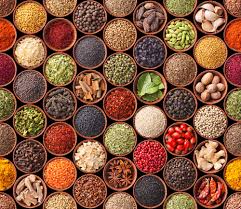
Gourmet spices are premium-quality aromatic plant products used to enhance the flavor, aroma, and visual appeal of food. They are carefully selected, processed, and packaged under strict quality standards to preserve their natural essential oils, potency, and freshness. Unlike standard commercial spices, gourmet spices are distinguished by superior sourcing, higher purity, stronger aroma profiles, and refined grading.
Spices have been an essential part of human cuisine for centuries, shaping global food culture, trade routes, and culinary traditions. Gourmet spices represent the highest tier of this category, often sourced from specific regions known for ideal growing conditions and processed using traditional or advanced methods that maintain their natural integrity.
They are widely used in fine dining, gourmet cooking, artisanal food production, and premium packaged food industries. Their role extends beyond flavoring, as they also contribute color, aroma complexity, and even functional health benefits.
Definition of Gourmet Spices
Gourmet spices are high-grade, carefully processed spice products derived from aromatic plants, seeds, bark, roots, or fruits, selected for superior quality, purity, and sensory characteristics.
To be classified as gourmet, spices must meet criteria such as:
High essential oil content
Strong and consistent aroma
Minimal impurities and foreign matter
Uniform grading and size
Proper drying and preservation methods
Traceable and often single-origin sourcing
Gourmet spices are typically sold in whole, crushed, or finely ground forms depending on culinary application.
Botanical Sources
Gourmet spices originate from various botanical families and plant parts. One of the most widely used gourmet spices is black pepper:
Black pepper
Black pepper is derived from the dried fruit of the pepper vine and is valued for its pungent aroma and sharp flavor. It is one of the most traded spices in the world and a staple in gourmet spice blends.
Other gourmet spices come from seeds (cumin, coriander), bark (cinnamon), roots (ginger, turmeric), and flower parts (cloves, saffron).
Types of Gourmet Spices
1. Whole Spices
Used in cooking to release fresh aroma during preparation. Examples include cloves, cinnamon sticks, and peppercorns.
2. Ground Spices
Finely milled spices used for convenience and quick flavor infusion in recipes.
3. Single-Origin Spices
Sourced from specific regions known for unique flavor profiles, such as Ceylon cinnamon or Tellicherry pepper.
4. Spice Blends
Carefully formulated mixtures such as curry powder, garam masala, or barbecue rubs.
5. Organic Gourmet Spices
Produced without synthetic chemicals and certified for organic standards.
Production Process of Gourmet Spices
The production of gourmet spices involves careful handling at every stage:
1. Cultivation
Spice plants are grown in suitable climatic zones with rich soil and controlled farming practices.
2. Harvesting
Spices are harvested at peak maturity to ensure maximum flavor and aroma.
3. Cleaning and Sorting
Raw materials are cleaned to remove dust, stones, and impurities.
4. Drying
Natural sun-drying or controlled drying methods preserve essential oils and prevent spoilage.
5. Grading
Spices are sorted based on size, color, aroma intensity, and purity.
6. Grinding (if required)
Whole spices are finely ground under controlled conditions to retain volatile oils.
7. Packaging
Spices are packed in airtight, moisture-resistant packaging to preserve freshness.
Physical and Sensory Characteristics
Gourmet spices are distinguished by:
Strong, natural aroma
Deep, rich color depending on spice type
High essential oil concentration
Clean, impurity-free appearance
Intense and complex flavor profile
Long-lasting taste impact
Their sensory strength is a key indicator of quality.
Tabulated Specification of Gourmet Spices
Specification
Details
Product Name
Gourmet Spices
Botanical Sources
Various spice plants (seeds, bark, roots, fruits)
Product Type
Premium culinary spices
Forms
Whole, ground, crushed, blended
Appearance
Clean, uniform, high-quality color
Aroma
Strong, rich, natural essential oil fragrance
Flavor Profile
Intense, complex, region-specific
Additives
None (pure spices only)
Moisture Content
Low (to prevent spoilage)
Shelf Life
12–36 months (depending on spice type)
Storage Conditions
Cool, dry, airtight environment
Packaging
Vacuum-sealed pouches, glass jars, foil packs
Traceability
Single-origin or certified supply chains
Common Examples of Gourmet Spices
Black pepper
Cinnamon
Cloves
Nutmeg
Cardamom
Ginger
Turmeric
Saffron
Paprika
Cumin
Each spice contributes unique aroma and flavor characteristics to global cuisine.
Uses of Gourmet Spices
Gourmet spices are widely used across multiple industries:
1. Culinary and Household Cooking
Used in everyday meals and gourmet recipes to enhance flavor, aroma, and color.
2. Fine Dining and Restaurants
Essential in high-end cuisine for:
Signature dishes
Marinades and sauces
Garnishing and finishing flavors
3. Food Processing Industry
Used in:
Packaged foods
Ready-to-eat meals
Sauces, soups, and condiments
Meat processing and seasoning
4. Beverage Industry
Used in:
Spiced teas
Herbal drinks
Flavored coffees
Traditional beverages
5. Pharmaceutical and Nutraceutical Industry
Spices are used for:
Herbal remedies
Digestive supplements
Anti-inflammatory formulations
6. Cosmetic Industry
Used in:
Natural skincare products
Essential oil extraction
Aromatherapy products
Health Benefits of Gourmet Spices
Gourmet spices offer several functional health benefits:
1. Rich in Antioxidants
Help protect the body from oxidative stress.
2. Supports Digestion
Many spices stimulate digestive enzymes.
3. Anti-inflammatory Properties
Spices like turmeric contain natural anti-inflammatory compounds.
4. Immune Support
Spices may help strengthen immune response.
5. Metabolism Boost
Certain spices support metabolic activity and energy balance.
Economic Importance
Gourmet spices are a high-value segment of global agriculture:
Major export commodities for tropical countries
Support millions of smallholder farmers
High demand in food manufacturing industries
Strong presence in premium retail markets
Contribute significantly to foreign exchange earnings
Countries such as India, Indonesia, Vietnam, Sri Lanka, and Madagascar are key producers.
Environmental Importance
Gourmet spice production supports sustainability when properly managed:
Encourages agroforestry systems
Reduces need for synthetic chemicals in premium farming
Promotes biodiversity in spice-growing regions
Supports small-scale sustainable agriculture
Helps preserve traditional farming systems
Storage and Handling Guidelines
To maintain quality:
Store in airtight containers
Keep away from moisture and sunlight
Avoid exposure to heat and air
Use dry utensils when handling
Seal immediately after opening
Quality Control Standards
High-quality gourmet spices must meet strict requirements:
High aroma and essential oil content
Clean, impurity-free appearance
Uniform grading and size
Proper drying and moisture control
No adulteration or fillers
Traceable sourcing
Conclusion
Gourmet spices represent the premium class of the global spice industry, offering superior flavor, aroma, and quality derived from carefully cultivated and processed botanical sources. From black pepper and cinnamon to saffron and cardamom, these spices elevate culinary experiences and define regional and international cuisines.
Beyond their culinary importance, gourmet spices contribute to health, economic development, and sustainable agriculture. Their use spans households, restaurants, food manufacturing, pharmaceuticals, and cosmetics, making them highly versatile and globally valuable.
In essence, gourmet spices are more than ingredients—they are a blend of tradition, craftsmanship, and natural richness that transform ordinary food into exceptional culinary experiences.