Specialty teas are high-quality tea products that are carefully cultivated, harvested, processed, and packaged under strict standards to preserve unique flavor profiles, aroma complexity, and overall sensory excellence. Unlike mass-produced commercial teas, specialty teas are often sourced from specific regions, estates, or small farms where attention to detail, terroir, and traditional craftsmanship play a major role in defining the final product.
Tea is one of the most widely consumed beverages in the world, and specialty teas represent the premium segment of this global industry. They are valued for their refined taste, distinct origin characteristics, and minimal processing, which allows the natural qualities of the tea leaves to shine.
Specialty teas are commonly enjoyed in tea ceremonies, gourmet cafés, wellness markets, and premium retail segments. They are also increasingly popular among health-conscious consumers seeking natural, antioxidant-rich beverages with functional benefits.
Definition of Specialty Teas
Specialty teas are premium-grade teas produced from carefully selected tea leaves that meet high standards of quality, flavor consistency, and traceability. They are typically grown in specific climatic conditions and processed using traditional or artisanal methods that preserve their natural characteristics.
To be classified as specialty tea, the product must exhibit:
Exceptional leaf quality
Distinct flavor profile
Clean processing with minimal defects
Traceable origin (estate or region-specific)
Proper grading and sensory evaluation
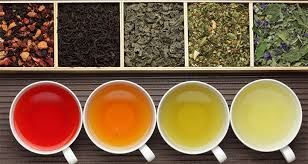
Specialty teas may include green tea, black tea, white tea, oolong tea, and herbal infusions depending on processing methods and plant varieties.
Botanical Source
Most specialty teas originate from the tea plant:
Camellia sinensis
This evergreen shrub is native to East Asia and thrives in high-altitude, humid, and well-drained environments. The quality of tea is strongly influenced by altitude, soil composition, rainfall, and harvesting techniques.
Different processing methods applied to the same plant produce various tea types, including green, black, oolong, and white teas.
Types of Specialty Teas
1. Green Tea
Minimally oxidized tea with fresh, grassy, and vegetal flavors. Known for high antioxidant content.
2. Black Tea
Fully oxidized tea with strong, bold flavors and rich color. Common in breakfast blends and milk teas.
3. Oolong Tea
Partially oxidized tea offering a balance between green and black tea characteristics.
4. White Tea
Lightly processed tea made from young buds and leaves, known for delicate flavor and subtle sweetness.
5. Herbal and Botanical Infusions
Technically not true tea, but widely included in specialty tea categories. Includes chamomile, mint, hibiscus, and rooibos.
6. Single-Origin and Estate Teas
Teas sourced from specific farms or regions with unique flavor signatures.
Production Process of Specialty Teas
Specialty tea production involves careful and often handcrafted steps:
1. Cultivation
Tea plants are grown in controlled environments, often at high altitudes for enhanced flavor development.
2. Selective Plucking
Only tender leaves and buds (often “two leaves and a bud”) are hand-picked.
3. Withering
Fresh leaves are partially dried to reduce moisture and prepare for processing.
4. Rolling
Leaves are gently rolled to release natural enzymes and oils.
5. Oxidation (for certain teas)
Controlled exposure to oxygen develops flavor, color, and aroma.
6. Drying
Leaves are dried to stop oxidation and preserve quality.
7. Sorting and Grading
Tea is sorted based on leaf size, appearance, and quality.
8. Packaging
Tea is sealed in airtight containers to preserve freshness and aroma.
These qualities reflect careful cultivation and precise processing.
Tabulated Specification of Specialty Teas
Specification
Details
Product Name
Specialty Teas
Botanical Source
Camellia sinensis
Product Type
Premium processed tea leaves
Forms
Loose leaf, sachets, tea bags
Tea Types
Green, black, white, oolong, herbal
Appearance
Whole leaves, minimal dust or broken particles
Aroma
Floral, fruity, vegetal, smoky (varies by type)
Taste
Smooth, complex, region-specific
Oxidation Level
None to full (depending on tea type)
Caffeine Content
Low to moderate (varies by type)
Additives
None (pure tea leaves)
Shelf Life
12–36 months (sealed packaging)
Storage Conditions
Cool, dry, airtight environment
Packaging
Foil pouches, tins, vacuum-sealed packs
Traceability
High (estate or region-specific origin)
Uses of Specialty Teas
Specialty teas are used across various sectors:
1. Household Consumption
Consumed as daily beverages for relaxation, hydration, and wellness.
2. Hospitality Industry
Widely used in:
Hotels and resorts
Fine dining restaurants
Tea lounges and cafés
3. Wellness and Health Industry
Used in:
Detox programs
Herbal therapy blends
Functional wellness drinks
4. Gourmet Food Industry
Used in:
Tea-infused desserts
Ice creams and pastries
Cooking and flavoring applications
5. Luxury and Gift Markets
Premium specialty teas are packaged as:
Gift sets
Corporate gifts
Luxury hampers
Health Benefits of Specialty Teas
Specialty teas offer multiple health advantages depending on type:
1. Rich in Antioxidants
Help reduce oxidative stress and support overall health.
2. Supports Heart Health
May help improve circulation and cholesterol balance.
3. Enhances Mental Alertness
Natural caffeine content improves focus and concentration.
4. Aids Digestion
Certain teas support gut health and metabolism.
5. Stress Relief
Herbal and green teas are known for calming effects.
Economic Importance
Specialty teas contribute significantly to global trade by:
Supporting smallholder tea farmers
Generating export revenue
Promoting rural development
Creating employment in processing and packaging
Expanding premium beverage markets
Countries such as India, China, Sri Lanka, Kenya, and Japan are major producers of specialty teas.
Environmental Importance
Specialty tea production often supports sustainable agriculture through:
Shade-grown cultivation systems
Reduced chemical usage
Soil conservation practices
Biodiversity preservation
Eco-friendly farming certifications
Storage and Handling Guidelines
To preserve quality:
Store in airtight containers
Keep away from light, moisture, and strong odors
Avoid exposure to heat
Use clean, dry utensils
Seal immediately after opening
Quality Control Standards
High-quality specialty teas must meet:
Leaf integrity (minimal breakage)
Clean aroma and flavor profile
Proper oxidation levels
Moisture control standards
Origin traceability
Absence of contaminants
Conclusion
Specialty teas represent the premium segment of the global tea industry, defined by superior quality, unique flavor profiles, and careful craftsmanship. Derived from the tea plant (Camellia sinensis), they are produced through precise cultivation and processing methods that preserve their natural essence and regional identity.
Their uses extend across households, hospitality, wellness industries, gourmet food production, and luxury gifting markets, making them both culturally significant and economically valuable. Beyond their sensory appeal, specialty teas offer health benefits, environmental advantages, and strong support for rural farming communities.
In essence, specialty teas are more than just beverages—they are a refined agricultural art form that combines tradition, sustainability, and global appreciation in every cup.