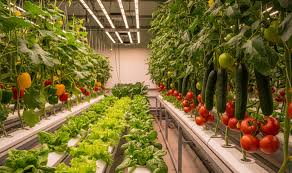
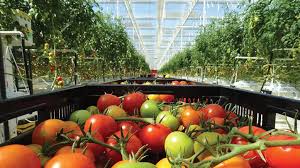
Greenhouse produce refers to agricultural crops—mainly vegetables, fruits, herbs, and flowers—that are cultivated inside controlled environments known as greenhouses. These structures are designed with transparent or semi-transparent materials such as glass or plastic to allow sunlight in while protecting plants from extreme weather conditions, pests, and environmental stress.
Greenhouse farming enables farmers to regulate key growth factors such as temperature, humidity, light intensity, irrigation, and ventilation. This controlled environment allows crops to grow more efficiently and consistently throughout the year, regardless of external climate conditions.
Greenhouse produce has become increasingly important in modern agriculture due to rising demand for high-quality, pesticide-controlled, and year-round fresh food supply. It is widely used in supermarkets, export markets, restaurants, and food processing industries.
Definition of Greenhouse Produce
Greenhouse produce refers to agricultural products cultivated within a protected structure (greenhouse) where environmental conditions are artificially controlled or optimized to enhance plant growth, productivity, and quality.
These structures allow farmers to simulate ideal growing conditions for crops, protecting them from:
Excessive rainfall or drought
Extreme temperatures
Pests and diseases
Wind damage
Seasonal limitations
Greenhouse production is considered a form of controlled environment agriculture (CEA).
How Greenhouse Farming Works
Greenhouse systems function by creating a stable microclimate for crops. Key components include:
Transparent roofing and walls for sunlight penetration
Ventilation systems for air circulation
Irrigation systems (drip or sprinkler)
Temperature control systems (heating or cooling)
Humidity regulation systems
Fertilization and nutrient management
This setup allows plants to grow under optimal conditions throughout the year.
Types of Greenhouses
Greenhouse produce can be cultivated in different greenhouse structures:
1. Plastic Greenhouses (Polyhouses)
Made from polyethylene materials; cost-effective and widely used.
2. Glass Greenhouses
High durability and excellent light transmission; used for premium production.
3. Shade Net Houses
Use shade nets to reduce sunlight intensity, suitable for heat-sensitive crops.
4. Naturally Ventilated Greenhouses
Rely on airflow and natural ventilation for temperature control.
5. Climate-Controlled Greenhouses
Advanced systems with automated temperature, humidity, and CO₂ control.
Common Greenhouse Crops
Greenhouses are used to grow a wide range of crops, including:
Tomatoes
Cucumbers
Bell peppers
Lettuce
Spinach
Strawberries
Herbs (basil, mint, parsley)
Flowers (roses, carnations)
These crops are chosen because they respond well to controlled environments and have high market value.
Botanical Example
One of the most widely cultivated greenhouse crops is the tomato:
Solanum lycopersicum
Tomatoes thrive in greenhouse conditions because temperature, humidity, and nutrient levels can be precisely controlled, resulting in higher yields, improved fruit quality, and reduced pest damage.
Production Process of Greenhouse Produce
Greenhouse crop production follows a structured and controlled agricultural process:
1. Seed Selection and Nursery Preparation
High-quality seeds are germinated in trays under controlled conditions.
2. Transplanting
Seedlings are transferred into greenhouse beds, containers, or hydroponic systems.
3. Climate Regulation
Temperature, humidity, and light are continuously monitored and adjusted.
4. Irrigation and Fertigation
Plants receive water and nutrients through drip systems or automated nutrient delivery.
5. Pest and Disease Management
Integrated pest management (IPM) is used, minimizing chemical pesticide use.
6. Pollination
Some crops require manual or assisted pollination inside greenhouses.
7. Growth Monitoring
Regular inspection ensures optimal plant health and productivity.
8. Harvesting
Crops are harvested at peak maturity for best quality and shelf life.
Physical and Sensory Characteristics
Greenhouse produce typically exhibits:
Uniform size and shape
Bright and consistent color
Clean surface with minimal damage
Crisp texture and fresh aroma
Reduced blemishes and defects
Consistent ripening patterns
These characteristics make greenhouse produce highly attractive in premium markets.
Greenhouse farming provides several important benefits:
1. Year-Round Production
Crops can be grown regardless of season.
2. Higher Yield
Optimized conditions increase productivity per area.
3. Better Quality
Produces uniform, visually appealing crops.
4. Pest and Disease Control
Protected environment reduces infestation risks.
5. Efficient Resource Use
Reduces water, fertilizer, and land requirements.
6. Climate Protection
Crops are shielded from extreme weather conditions.
Uses of Greenhouse Produce
Greenhouse produce is widely used across different sectors:
1. Household Consumption
Used in daily meals such as salads, soups, and cooked dishes.
2. Supermarkets and Retail Chains
Sold as premium-quality fresh produce with consistent appearance.
3. Restaurants and Hotels
Preferred for:
Fresh salads
Garnishes
Gourmet dishes
High-end culinary presentations
4. Food Processing Industry
Used in:
Packaged salads
Frozen vegetables
Sauces and purees
Ready-to-eat meals
5. Export Markets
Highly demanded in international markets due to quality consistency and safety standards.
6. Floriculture Industry
Greenhouses are extensively used for growing flowers for decoration and commercial sale.
Health Benefits of Greenhouse Produce
Greenhouse-grown crops provide several health advantages:
1. Reduced Chemical Exposure
Lower pesticide use compared to conventional farming.
2. High Nutritional Value
Rich in vitamins, minerals, and antioxidants.
3. Freshness and Quality
Harvested at optimal maturity.
4. Safe Consumption
Grown in controlled, hygienic environments.
5. Supports Healthy Diets
Ideal for balanced and nutritious meals.
Economic Importance
Greenhouse agriculture plays a key role in modern food systems by:
Increasing agricultural productivity
Creating employment in agritech sectors
Supporting high-value crop production
Enhancing export competitiveness
Reducing dependency on seasonal farming
It is especially valuable in regions with limited farmland or unpredictable climates.
Environmental Importance
Greenhouse farming contributes to sustainability through:
Reduced land usage
Efficient water management
Lower pesticide application
Reduced post-harvest losses
Climate-resilient food production
It supports modern eco-friendly agricultural practices.
Storage and Handling Guidelines
Proper handling ensures quality preservation:
Store in cool or refrigerated conditions
Avoid direct sunlight exposure
Maintain hygienic handling practices
Use ventilated or food-safe packaging
Minimize physical damage during transport
Quality Control Standards
High-quality greenhouse produce must meet strict standards:
Uniform size, shape, and color
Freshness and firmness
Absence of pests and diseases
Controlled residue levels
Compliance with food safety standards
Traceability from greenhouse to market
Conclusion
Greenhouse produce represents a modern and highly efficient form of agriculture that enables consistent, high-quality food production regardless of external climate conditions. By using controlled environments, farmers can optimize plant growth, reduce resource waste, and produce crops that meet the demands of both local and international markets.
Its applications span household consumption, retail markets, restaurants, export trade, and food processing industries, making it a cornerstone of modern food supply systems. With benefits such as higher yields, better quality, and reduced environmental impact, greenhouse farming is rapidly transforming global agriculture.
In essence, greenhouse produce is not just a farming method—it is a sustainable agricultural innovation that ensures food security, improves productivity, and supports the future of climate-smart farming.