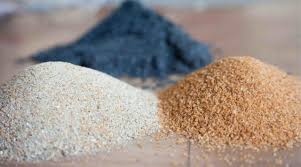
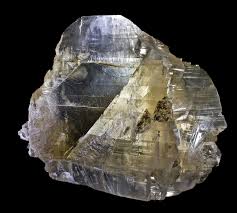
Gypsum is a soft sulfate mineral widely used in construction, agriculture, cement production, and industrial applications. It is known for its versatility, fire resistance, and ability to regulate setting time in cement and plaster products.
Naturally occurring gypsum has been used for thousands of years in building materials, while modern industries rely on both natural and synthetic gypsum for large-scale production of plaster, drywall, and soil conditioners.
Definition of Gypsum
Gypsum is a naturally occurring mineral composed of calcium sulfate dihydrate with the chemical formula CaSO₄·2H₂O.
It is typically found in sedimentary rock formations and evaporite deposits formed through the evaporation of ancient sea water.
Types of Gypsum
1. Natural Gypsum
Mined from sedimentary rock deposits
Used in cement, plaster, and construction materials
2. Synthetic Gypsum
Produced as a by-product of industrial processes (e.g., flue gas desulfurization)
Used as a substitute for natural gypsum
3. Plaster of Paris (Calcined Gypsum)
Heated gypsum that loses water content
Used for molds, casts, and decorative work
4. Agricultural Gypsum
Used to improve soil structure and fertility
Supplies calcium and sulfur to crops
5. Industrial Gypsum
Used in manufacturing drywall, cement, and ceramics
Physical and Chemical Characteristics of Gypsum
Gypsum is characterized by:
Soft texture (can be scratched with a fingernail)
White, gray, or translucent appearance
Low density and lightweight structure
Hydrated calcium sulfate composition
Non-toxic and chemically stable under normal conditions
Heat-sensitive (loses water when heated)
Soluble in water to a small extent
Formation of Gypsum
Gypsum forms through evaporative and sedimentary processes:
1. Evaporation of Sea Water
Sea water evaporates in shallow basins, leaving behind mineral deposits.
2. Precipitation
Calcium and sulfate ions combine to form gypsum crystals.
3. Sediment Accumulation
Over time, layers of gypsum build up and form rock deposits.
4. Geological Uplift
Tectonic movement exposes gypsum deposits at the surface.
Extraction and Processing of Gypsum
1. Mining
Gypsum is extracted from open-pit or underground mines.
2. Crushing
Large gypsum rocks are broken into smaller pieces.
3. Grinding
Material is ground into powder for industrial use.
4. Calcination
Heating gypsum produces Plaster of Paris by removing water content.
5. Refining and Screening
Material is sorted for purity and particle size.
6. Packaging
Processed gypsum is packed for construction or agricultural use.
Tabulated Specification of Gypsum
Specification
Details
Product Name
Gypsum
Chemical Formula
CaSO₄·2H₂O
Rock Type
Sedimentary evaporite mineral
Color
White, gray, colorless, or light brown
Hardness
Very low (Mohs ~2)
Density
Low
Solubility
Slightly soluble in water
Main Forms
Natural gypsum, synthetic gypsum, plaster of Paris
Main Applications
Construction, agriculture, cement, industrial use
Storage Conditions
Dry environment
Processing Methods
Mining, crushing, calcination
Uses of Gypsum
1. Construction Industry
Drywall (plasterboard) production
Wall plaster and ceiling materials
Decorative moldings and finishes
2. Cement Industry
Controls setting time of cement
Improves workability of concrete
3. Agriculture
Improves soil structure
Provides calcium and sulfur nutrients
Reduces soil salinity
4. Medical and Dental Uses
Plaster casts for broken bones
Dental molds and impressions
5. Industrial Applications
Ceramics and pottery
Paint and filler materials
Advantages of Gypsum
1. Fire Resistance
Slows down heat spread in buildings.
2. Lightweight Material
Easy to handle and apply.
3. Eco-Friendly
Naturally occurring and recyclable.
4. Versatile Applications
Used in construction, agriculture, and industry.
5. Improves Soil Quality
Enhances agricultural productivity.
Economic Importance
Gypsum contributes significantly to global economies by:
Supporting construction and housing industries
Driving cement and drywall production markets
Creating mining and processing employment
Enhancing agricultural productivity
Supporting export trade in mineral commodities
It is a key industrial mineral worldwide.
Environmental Considerations
Gypsum has relatively low environmental impact, but mining may involve:
Land disturbance from quarrying
Dust generation during processing
Energy use in calcination
Positive environmental uses include:
Soil improvement and land rehabilitation
Recycling as industrial by-product gypsum
Reduced need for chemical soil treatments
Storage and Handling Guidelines
To maintain quality:
Store in dry conditions to prevent moisture absorption
Avoid contamination with soil or chemicals
Keep in sealed packaging for powdered forms
Protect from water exposure (especially plaster forms)
Handle carefully to prevent dust inhalation
Quality Control Standards
High-quality gypsum is assessed based on:
Purity of calcium sulfate content
Moisture level
Particle size distribution
Brightness and color consistency
Performance in cement and plaster applications
Conclusion
Gypsum is a highly valuable industrial mineral composed of calcium sulfate dihydrate, widely used in construction, agriculture, and manufacturing industries. Naturally formed through evaporation and sedimentary processes, it plays a critical role in modern infrastructure and food production systems.
From drywall and cement production to soil conditioning and medical casts, gypsum is essential in both industrial and agricultural development.
In essence, gypsum is not just a soft mineral—it is a foundational material that supports construction, farming, healthcare, and sustainable industrial processes worldwide.